
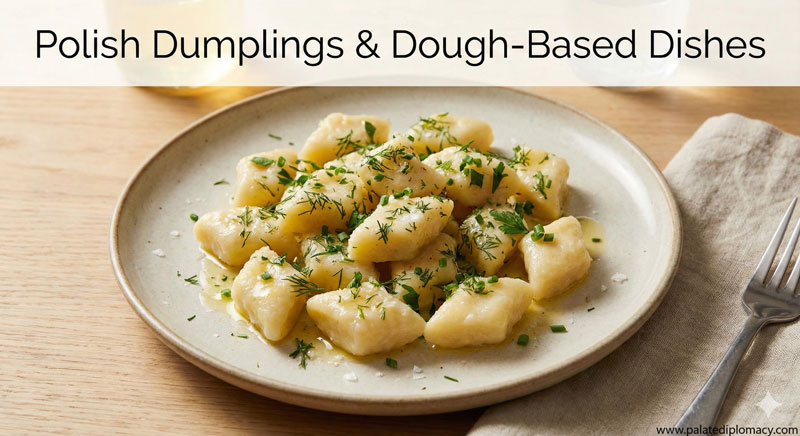
Introduction to Pyzy
Pyzy are a cherished part of Polish home cooking, celebrated for their hearty simplicity and satisfying texture. These potato dumplings stand as a warm beacon of everyday culture, where family lunches and seasonal ingredients come together. You’ll find pyzy on family tables, market stalls, and cozy eateries. They invite you to slow down, savor the moment, and enjoy a dish that speaks of home and togetherness.
What Pyzy Are and How They Speak to Tradition
At their core, pyzy are dumplings made from potatoes and flour. They may be boiled until tender, then finished with a simple garnish, or served with a savory sauce and onions. The idea is plain ingredients doing something remarkable when treated with care. This simplicity is part of the dish’s charm. It allows the potato’s earthiness and the flour’s bite to shine. In turn, pyzy become a versatile canvas for family recipes and regional twists.
Basic Components and Techniques
The classic dough blends mashed potatoes with flour and a pinch of salt. Some cooks add a little egg to bind the dough, while others keep it egg-free for a lighter bite. The filling, when used, often features seasoned ground meat, creating a comforting contrast with the soft potato dough. Others serve pyzy plain and pair them with butter, onions, or a savory sauce. The technique is approachable: boil potatoes until tender, mash smoothly, incorporate the flour, shape the dumplings, and gently cook them in salted water. If you choose to fill them, you flatten a small portion of dough, add the filling, seal well, and then boil. The result is a dumpling that holds together with a gentle yield.
Regional Variations
Across Poland, pyzy take on regional personality. In some areas, dumplings are larger and denser, with a robust savor that comes from longer resting times and a sturdy dough. In others, the dough remains lighter, producing a more delicate bite. Some regions favor meat-filled pyzy, while others highlight a simpler, plainer version that acts as a stage for sauces and toppings. These variations celebrate local seafood, forest mushrooms, or garden herbs, giving each area a distinctive voice within the same dish family. No matter the variation, the core idea stays true: humble ingredients, patient preparation, and a satisfying result.
Cultural Significance and Everyday Value
Pyzy carry a gentle, enduring presence in Polish food culture. They appear in family meals, celebratory gatherings, and seasonal menus. The dish embodies a rhythm of daily life, where potatoes from the garden and homemade flour come together in a comforting form. Sharing pyzy reinforces bonds and creates simple memories around the table. The dish also mirrors resourcefulness and care: a few pantry staples transformed into fresh, nourishing dumplings. In this way, pyzy aren’t just food; they are a quiet celebration of home, hardworking kitchens, and the joy of good company.
Texture, Flavor, and Sensory Appeal
The appeal of pyzy lies in contrast and harmony. The potato dough offers a soft, yielding bite, while the exterior holds its shape with a gentle sturdiness. When served with a little butter or browned onions, the dish delivers a subtle sweetness and a savory depth. Meat fillings add a meaty richness that pairs well with the mild potato base. The overall experience is warm and wholesome. Diners often remark on how pyzy feel both rustic and refined, a reminder that simple ingredients can create lasting comfort.
Serving Traditions and Pairings
Traditionally, pyzy appear at the table with simple accompaniments. A spoonful of melted butter, sautéed onions, or crisp bacon bits can elevate the dish. A dollop of sour cream adds a touch of tang and silkiness. Some households finish the plate with a fresh herb dusting, such as chives or dill, to brighten the flavors. For variety, serve pyzy with a savory sauce, such as a mushroom gravy or a meat-based gravy. The dish also adapts to seasonal produce; summer herbs or autumn mushrooms can enrich the serving platter without overpowering the potato base.
Pyzy in Modern Kitchens and Creative Spins
Modern cooks celebrate pyzy by honoring tradition while inviting new tastes. Some home cooks experiment with light potato blends, new herbs, or vegetarian fillings. Others pair pyzy with contemporary sauces or emphasize plant-based ingredients for a modern menu. The dish welcomes a respectful fusion that preserves its character while inviting fresh textures and flavors. In this way, pyzy remain relevant to today’s diners, offering both nostalgia and novelty in a single bite.
Practical Tips for Making Pyzy at Home
- Choose starchy potatoes for a firm dough that holds its shape. Waxy potatoes can make the dough Silkier but harder to handle.
- Cook potatoes until just tender, then mash smoothly. Let the mash cool a bit before mixing with flour.
- Add flour gradually. Use just enough to form a cohesive, not sticky, dough.
- If you plan to fill, portion the dough evenly, flatten, add a small amount of filling, and seal firmly.
- Boil in generously salted water. Stir gently to prevent sticking, and cook until the dumplings float and appear firm.
- For extra flavor, sauté onions in butter until golden and spoon over the hot pyzy just before serving.
- Resting the dough briefly can improve handling, but don’t overdo it; warm hands help shape the dumplings cleanly.
Preserving and Sharing the Craft
Like many beloved dishes, pyzy thrive when passed from cook to cook. Sharing a recipe, a technique, or a family tip keeps the tradition alive. Documented notes, cherished family methods, and careful practice help keep pyzy’s heritage vibrant. By cooking together, communities preserve a dish that embodies care, locality, and shared taste.
Why Pyzy Matter to Food Culture
Pyzy matter because they connect people to the land and to one another. They reflect a culture’s preference for hearty, satisfying meals made from staple ingredients. They encourage patience in preparation and generosity in sharing. The dish invites guests to experience a sense of place—the warmth of a kitchen, the scent of boiling potatoes, and the moment of lifting a tender dumpling to the table. In this way, pyzy celebrate food as a source of comfort, connection, and everyday beauty.
Conclusion: Embracing the Warmth of Pyzy
Pyzy offer more than nourishment; they offer a story told through texture, flavor, and family routine. They honor simple ingredients and patient technique, while inviting curiosity about regional twists and modern interpretations. Whether enjoyed plain, with onions, or accompanied by a savory gravy, pyzy stand as a welcoming symbol of Polish culinary craft. Try them at Home, share them with friends, and savor the quiet joy of a dish that embodies home, tradition, and the joy of cooking.