
Everything You Need to Know About Pyzy
Pyzy are warm, comforting dumplings rooted in the heart of Polish home cooking. They symbolize care, craft, and the simple joy of sharing a meal. This post explores their cultural value and culinary significance, from the way they are made to how they appear at tables from kitchens to festive gatherings. Expect a clear look at how pyzy sound in the everyday, how they connect taste with memory, and how this dish continues to enrich food culture.
What Are Pyzy?
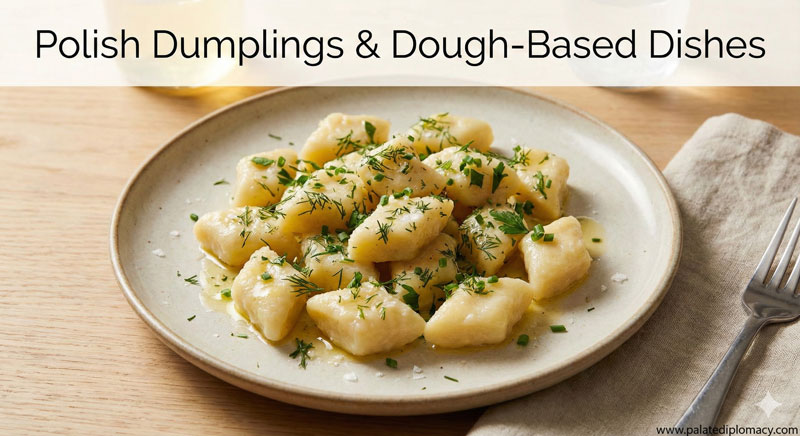
Pyzy are soft potato dumplings. The dough blends starchy potatoes with flour and a touch of salt. Some cooks add a small egg to strengthen the dough; others keep it lean and simple. The shape is typically oval or round, with a gentle bite that gives way to a tender interior. A common approach is to boil the dumplings until they rise to the surface and then finish them with a light trim of fat or butter. Some versions are plain and unfilled, while others carry a savory filling inside. Either way, pyzy celebrate potato as the anchor of their texture and flavor. The result is a comforting dish that can stand alone or pair beautifully with sauces, herbs, and onions. This versatility helps pyzy remain a staple in households and kitchens across generations.
A Taste of Tradition
The appeal of pyzy goes beyond taste. They embody family rituals, shared labor, and the rhythm of everyday life. Making pyzy often becomes a time for story swapping and learning, especially when handed down from one generation to the next. The dish invites cooperation: someone boils the potatoes, another stirs in flour, and a third shapes the dumplings. Serving pyzy with fried onions, a dollop of sour cream, or a gentle mushroom sauce creates a moment of comfort and connection. The act of gathering to prepare and enjoy pyzy gives a sense of continuity, linking the present table with generations past. In this way, pyzy contribute to a culture of care, patience, and shared nourishment.
Regional Variations
Across regions, cooks adapt pyzy to local tastes and available ingredients. Some kitchens favor a sturdier dough, while others choose a lighter, more delicate texture. Fillings also vary, from plain potato dumplings to versions that hide seasoned meat, mushrooms, or cheese inside. The size and shape can shift from one village to another, guided by family preference and technique. What remains constant is the idea that pyzy are a flexible, welcoming dish that can be dressed up or kept simple. This adaptability reflects a broader culinary culture that honors tradition while welcoming small, thoughtful changes in flavor and presentation.
Ingredients and Techniques
The core ingredients for pyzy are humble and accessible: potatoes, flour, and salt. Optional additions like eggs or a touch of fat help bind and enrich the dough. The technique values clarity: prepare the potatoes to a smooth base, then fold in flour gradually to form a cohesive dough. Shape the dough into even dumplings to ensure uniform cooking. Boil in salted water until they float, then take them from the pot with care. Finishing touches matter. A drizzle of butter or a shallow sauté of onions adds aroma, while sour cream or herbs completes the plate. The technique is a blend of precision and feeling, a little science and a lot of heart. With practice, the process becomes almost meditative, and the resulting dumplings feel like a warm invitation to the table.
Serving Traditions
How pyzy are served reveals much about their cultural role. They often appear on plates alongside a gentle sauce, sautéed onions, or a rich mushroom gravy. A spoonful of sour cream adds a gentle tang that enhances the potato structure. Fried onions bring sweetness and a satisfying crunch, balancing the softness of the dumplings. In some homes, pyzy are a main dish with a light meat accompaniment; in others, they stand as a generous side, absorbing the flavors of a comforting broth or sauce. The serving ritual itself—sharing bowls, passing condiments, and gathering around the table—builds a sense of hospitality and communal eating that is central to the culinary culture around pyzy.
Pyzy in Modern Kitchens
Today, pyzy appear in both traditional kitchens and contemporary settings. Home cooks keep the discipline of a well-made dough, while chefs explore playful fillings and elegant presentations. Modern takes may feature roasted mushrooms, cheese blends, or finely chopped herbs inside the dumplings. Some cooks adjust the flour ratio or use different starches to accommodate dietary needs, while others maintain the classic balance of Potato and flour. Yet the best pyzy remain grounded in memory—these are the dumplings that welcome family and friends with a familiar, comforting scent and a familiar, satisfying texture. The continued interest in pyzy shows how traditional foods can thrive in new kitchens while staying true to their core identity.
Pairings and Flavor Profiles
Pyzy pair beautifully with a range of flavors, from bright and herbaceous to rich and earthy. Sour cream offers a cool, creamy note that contrasts with the potato’s warmth. A light onion glaze adds sweetness and aroma, while a mushroom sauce or savory gravy provides depth. Fresh herbs—dill, parsley, or chives—lift the dish with a crisp, bright finish. The texture itself plays a starring role; the dumplings’ tenderness welcomes sauces and toppings without overwhelming them. This balance makes pyzy versatile at the table, whether enjoyed as a simple weeknight meal or as a comforting dish in a more festive setting.
Keeping the Craft Alive
Preserving the craft of pyzy means passing down practical know-how and a sense of culinary care. Family recipes, written notes, and tradition-rich stories keep the technique accessible. Local markets, cooking classes, and online tutorials invite new cooks to learn the basics and experiment respectfully. The result is a living tradition that welcomes curiosity while honoring its roots. By approaching pyzy with attention to texture, flavor, and sharing, cooks of all ages can participate in a cultural practice that is as nourishing for the senses as it is meaningful for the table.
In the end, pyzy are more than a dish. They are a small ceremony of cooking and eating that celebrates simplicity, skill, and community. They show how a few honest ingredients can become something special when treated with care and shared with others. If you approach pyzy with patience and curiosity, you will discover a dish that feels both timeless and warmly current—a flavorful reminder of how food can bind hands, hearts, and stories at the same time.