
Introduction
Rice and beans is a simple, soulful pairing that travels across kitchens and cultures. It combines two pantry staples into a dish that feels both humble and celebratory. This post explores the cultural value and culinary significance of rice and beans, without getting out of step with its welcoming, universal appeal. The pairing is a reminder that good food can be everyday and extraordinary at the same time.
The Core Idea: Why the Pair Works
Rice provides a starch that absorbs flavor, offers texture, and acts as a comforting base. Beans bring protein, fiber, and depth. Together, they create balance: a satisfying bite with a gentle contrast between soft beans and fluffy grains. The dish shines when cooks treat it as a culinary story—one pot, many textures, and a chorus of seasonings. The result is reliable nourishment that invites creativity at every meal.
Regional Highlights: How Cultures Embrace Rice and Beans
Around the world, communities develop distinct takes on rice and beans, each lending its own character to the dish.
- Caribbean and Latin American styles often feature rich sauces, aromatic sofrito, and a creamy, savory finish. In many kitchens, red beans or black beans meet white rice or seasoned rice, with bright herbs and a touch of coconut milk or lime. The result is a comforting plate that pairs well with plantains, fried fish, or a simple salad.
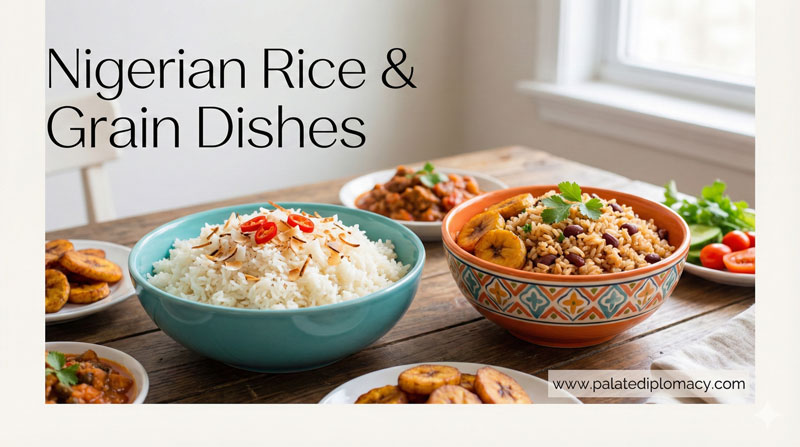
- West Africa offers waakye and other rice-and-bean combinations that celebrate color, spice, and warmth. Palm oil, peppers, and fragrant aromatics create a vibrant, satisfying bowl that carries through to family meals and gatherings.
- South Asia presents rajma chawal, a beloved pairing of kidney beans with rice. Tomato-based curries or simple spiced beans meet steamed rice for a hearty, homey supper that travels well as a weeknight staple.
- In other regions, cooks blend beans with rice in ways that emphasize texture and aroma. A touch of cumin, coriander, garlic, onions, and herbs can elevate the dish, turning an everyday staple into a dish with personality.
This variety highlights a shared idea: rice and beans is a versatile foundation that welcomes regional flavors, textures, and techniques. The dish adapts to local ingredients, turning simple cooking into a respectful homage to tradition and taste.
Cooking Techniques: How Flavor and Texture Are Built
Two components guide every pot of rice and beans: how the beans are prepared and how the rice is cooked.
- Beans: Soaking tenderizes the beans and shortens cooking time. Simmering with aromatics (onion, garlic, bay leaf, peppers) draws out depth. A gentle simmer helps keep beans intact while absorbing surrounding flavors.
- Rice: Long-grain varieties stay light and separate when cooked properly. Some cooks prefer a quick soak or a brief rinse to remove excess starch. Simmering with a careful ratio of liquid and gentle heat yields grains that are fluffy and inviting.
- One-pot vs. separate-cooking: One-pot methods let flavors mingle, especially when you start with a flavorful base. Separately cooked beans can be folded into rice later, allowing precise control over texture. Both approaches celebrate the same core idea: balance and harmony.
- Flavor builders: Onions, garlic, peppers, herbs, and spices are the seasoning spine. Coconut milk, tomato, cumin, oregano, thyme, and bay leaves are common options that give depth and warmth without overpowering the dish.
By focusing on technique—gentle simmering, proper soaking, and thoughtful seasoning—you can bring out the best in both components and keep the dish approachable for everyday cooking.
Flavor Profiles: What Makes It Stand Out
Rice and beans welcomes a wide range of flavors:
- Nutty, earthy, and bright notes come from the beans themselves and from the careful use of aromatics.
- Creamy contrasts arise when beans are soft and the rice remains light and tender.
- A touch of heat or brightness—such as peppers, lime, or fresh herbs—can elevate the dish and reflect regional preferences.
- Coconut milk or dairy-free creams add a silky finish, especially in tropical-adjacent preparations.
- Herbaceous accents from cilantro, parsley, or scallions tie the plate together and add vibrant freshness.
This versatility lets cooks tailor the dish to what’s in the pantry while maintaining its essential sense of belonging and comfort.
Serving Ideas: How to Present Rice and Beans
How you plate rice and beans can reinforce its cultural value and culinary appeal:
- A classic circle: a neat bed of rice with a generous scoop of beans alongside, finished with chopped herbs and a lime wedge.
- A layered bowl: rice on the bottom, beans on top, and a bright salsa or pickled vegetables for color and zing.
- Accompaniments: fried plantains, sautéed greens, avocado slices, or a simple tomato and onion relish echo regional flavors and round out the plate.
- For celebrations or family meals, offer a small selection of toppings—Hot Sauce, citrus zest, fresh herbs—so everyone can customize their bowl.
Cultural Value: Everyday Significance and Shared Joy
Rice and beans has a quiet, enduring presence in many kitchens. It is a dependable meal that cooks return to with affection and care. The dish often travels through a home as stories are shared, experiences are exchanged, and generations pass down practical wisdom about timing, heat, and balance. It is a symbol of nourishment that respects both simplicity and richness.
In family settings, the pot often sits at the center of the table, inviting conversation and connection. The dish embodies practicality and generosity: a single pot can feed many, and the flavors tell a story of local ingredients and seasonal choices. This accessibility is part of its charm, making rice and beans a beloved staple across diverse culinary landscapes.
Quick Start Guide: Crafting a Classic Pot
- Start with a gentle base: sauté onions, garlic, and peppers to build depth.
- Add washed rice and beans with a careful ratio of liquid to grain.
- Introduce aromatics: bay leaves, thyme, cumin, or oregano, along with a splash of salt.
- Simmer slowly until the beans are tender and the rice is fluffy, adjusting heat as needed.
- Finish with fresh herbs or a hint of citrus for brightness.
- Serve with simple accompaniments that honor regional flavors.
Final Thoughts
Rice and beans is more than a meal. It is a testament to how simple ingredients can become something culturally meaningful and deeply satisfying. Its versatility invites cooks to honor regional flavors while preserving a universal appeal. The dish remains a centerpiece that welcomes people to share, learn, and celebrate the beauty of everyday cooking. When you spoon your first bite, you taste a tradition that is at once intimate and expansive—The Heart of home in a single, comforting plate.