
Introduction
The Story Behind Rice and Beans, a Nigerian Food Favorite opens a window into everyday life in Nigerian kitchens. This dish blends simplicity with warmth, inviting people to gather around a shared pot. It is a reliable friend on busy days and a comforting centerpiece for special moments. The appeal lies in the harmony of textures and colors: glossy rice, tender beans, and a sauce that glows with red and orange notes. In this post, we explore its cultural value and culinary significance. We celebrate how the dish supports nourishment, conversation, and connection in homes across the country.
The core elements of the dish
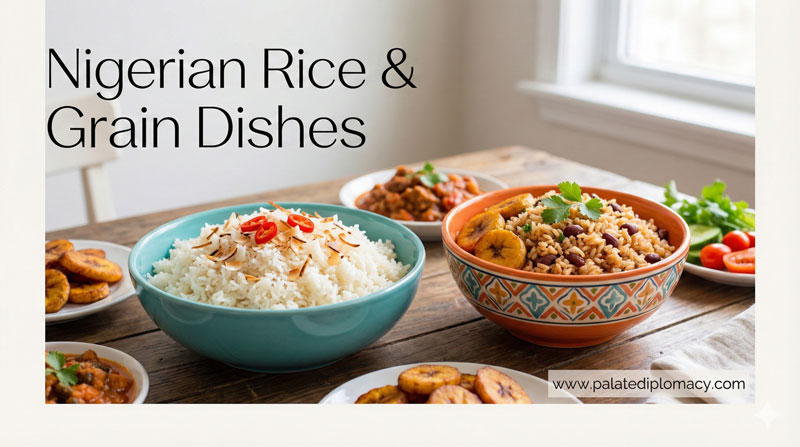
Rice and Beans brings together two hearty staples. The beans provide protein and a creamy bite, while the rice offers a neutral canvas for bold flavors. The sauce blends onions, peppers, and tomatoes into a bright, savory base. Palm oil or a neutral oil adds depth and a characteristic golden sheen. A touch of salt, spices, and sometimes stock lifts the mixture. The result is a balanced plate where each bite blends grain and bean with the lively sauce. This simple pairing becomes something greater when shared around the table.
The cooking rhythm and technique
First, cooks simmer the beans until soft, letting their natural creaminess mingle with the sauce. Next, aromatics—onions and peppers—sauté to release sweetness and heat. Then the tomato base joins, turning the mix rich and inviting. The rice is prepared to absorb some of the sauce’s brightness, either separately or gently folded in toward the end. Finally, the pot rests briefly, letting flavors settle. The technique highlights patience and care, two hallmarks of enduring Nigerian home cooking.
Cultural value in daily life
This dish is a dependable staple for many families. It fits neatly into busy days, brightens weekend gatherings, and lends itself to generous portions. Sharing a big pot with neighbors or relatives is common, reinforcing bonds and hospitality. The dish also adapts to what is available in the kitchen, reflecting resourcefulness and regional taste. It teaches that good food can come from simple ingredients and thoughtful preparation. In homes, it often carries stories of mothers, aunts, and friends who make time to feed others.
Regional flavors and playful twists
Across regions, cooks add their own signature touches. Some favor a hotter pepper kick, while others mellow the heat for milder palates. Coconut milk may appear in coastal styles to deepen the sauce, and a splash of smoked fish or meat can enrich the dish with extra savor. Vegetables, herbs, and even plantains can accompany the plate, creating a colorful tray. These variations honor local markets and family traditions, while preserving the dish’s core essence: rice, beans, and a bright sauce.
The sensory journey
Aroma leads the way. Nutty palm oil, sizzling onions, and ripe peppers greet the nose as the pot warms. The sauce adopts a glossy, inviting sheen. Steam rises, carrying a mix of savory and slightly sweet notes. The texture contrasts matter: soft beans, fluffy rice, and a sauce that lightly coats every grain. The colors—orange-red sauce against pale rice—echo the warmth of a shared meal. This sensory dance makes the dish feel welcoming before the first bite.
Pairings, occasions, and sharing
Rice and Beans pairs well with fresh greens, fried plantains, or a crisp side salad. A simple tomato-chili relish can brighten the plate, while a wedge of lime adds a bright zing. The dish shines at family lunches, weekend feasts, and casual dinners with friends. It also serves as a reliable option for school meals and workplace picnics, always easy to portion and transport. The versatility supports a spirit of generosity and community around the table.
Caring for the tradition and tasty reminders
To honor the story behind the dish, use fresh ingredients and take time to smells, sounds, and textures as you cook. Show respect for the recipe by sharing portions with others and inviting comments on flavors and memories. Maintain a balance of rice and beans so neither overpowers the other. Let simmering moments teach patience, and enjoy the glow of a pot ready to nourish many with care. In this way, the dish remains a living, evolving part of Nigerian Food Culture.
Conclusion
The Story Behind Rice and Beans, a Nigerian Food Favorite is more than a meal. It is a practice of nourishment, generosity, and togetherness. Through simple ingredients and thoughtful preparation, it becomes a bridge between everyday life and the joy of sharing good food. The dish celebrates the beauty of Nigerian flavors and the warmth of community at every table. Embrace its rhythm, savor its flavors, and let it remind you how food can unite, comfort, and inspire.