
Discover the Bold Flavors of Rice and Peas
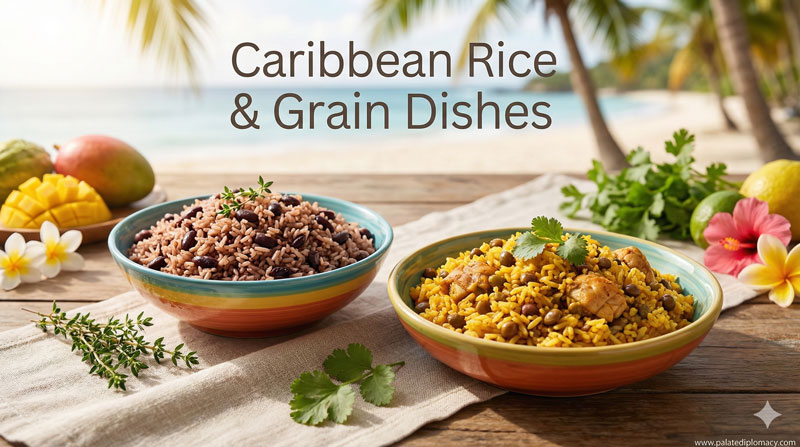
Discover the Bold Flavors of Rice and Peas invites you to explore a dish that blends simplicity with depth. In homes, markets, and cozy eateries, the dish gathers people around the table. It shines with bold aroma, creamy texture, and a satisfying bite. The blend of rice, peas, and coconut creates a harmony that feels welcoming and bright. This post highlights its cultural value and culinary significance, inviting you to savor its beauty.
Core Ingredients that Tell a Story
Rice forms the base, chosen for its light texture and its ability to absorb flavors. Peas, whether kidney beans or pigeon peas, add color and a gentle bite. Coconut milk brings richness and a subtle sweetness that mirrors coastal flavors. Onions and garlic layer sweetness, while scallions add a fresh bite. Thyme and pimento offer warmth and depth. A touch of salt, pepper, and, if you like, a small chili or pepper, lifts the dish with a clean, lively heat. Each ingredient speaks to a local kitchen, carrying aroma and texture that fans remember.
The Cooking Rhythm: One Pot, Big Flavor
Start with a bright base of aromatics, then add rice and coconut milk with a splash of water. Next, let the grains begin to plump as the fragrance fills the room. Add peas and seasonings, and simmer until the rice reaches a fluffy texture and the peas are tender. Let the pot rest briefly to let the flavors settle together. This simple rhythm lets the dish develop depth without complexity, and it feels comforting with every bite.
Cultural Value: Everyday Joy and Shared Moments
Families gather around this dish for everyday meals and special occasions alike. The aroma travels through the house, signaling a warm welcome for guests and loved ones. The dish offers a sense of place, tying cooks to a familiar culinary tradition. It fosters conversation, hospitality, and the art of slow, mindful dining. In short, the dish becomes a quiet center for connection and memory.
Regional Variations and Personal Touches
While the core remains rice and peas, cooks adapt with small, thoughtful changes. Some kitchens favor larger beans or a touch more coconut cream for extra silkiness. Others vary the herb blend, choosing thyme, cilantro, or parsley to suit the season. The level of heat and the exact ratio of ingredients reflect personal taste and family habit. These variations enrich the dish and demonstrate how a single concept can be warmly personal.
Serving and Pairing: The Culinary Experience
Serve with fried plantains, grilled fish, or a bright green salad for balance. A squeeze of lime or a drizzle of fresh herb oil can lift the dish’s brightness. Hot sauce or pepper sauce provides a lively finish for those who enjoy a bolder palate. Garnish with chopped scallions or fresh herbs to add color and aroma. Each pairing enhances the dish’s texture and flavor, turning a simple bowl into a memorable meal.
The Scent and the Story: A Sensory Experience
Steam carries a fragrant blend of coconut, garlic, and herbs, inviting you to taste before the first bite. The color is warm, with ivory rice meeting emerald peas in a pleasing contrast. Texture plays a key role: soft, tender grains meet just-cooked beans for a satisfying bite. The aroma and mouthfeel together tell a story of comfort and care. This sensory experience makes Rice and Peas feel Like a moment of home, shared with others.
Nurturing the Craft: Practical Tips
Choose fresh ingredients to maximize flavor, then rinse rice to remove excess starch for a light, fluffy result. Use a pot with a tight lid to trap steam and ensure even cooking. Layer flavors by briefly sautéing aromatics before adding liquids. Let the dish rest a few minutes after cooking to let the texture and aroma settle. With care and attention, this dish becomes a reliable favorite that reflects skill, warmth, and everyday culinary artistry.