
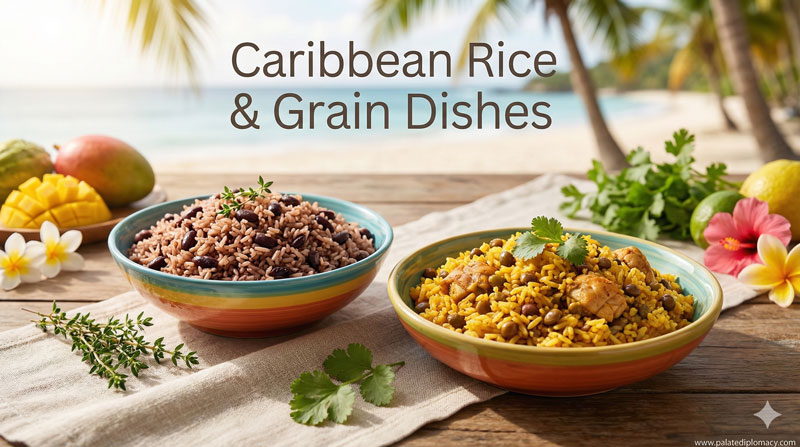
How Rice and Peas Became Popular Across the Caribbean
Rice and peas stands as a beloved centerpiece in many Caribbean kitchens. It blends simple ingredients into a dish that feels warm and welcoming. The aroma fills homes, markets, and tables, inviting everyone to share in a meal that feels Like a celebration of everyday life. Across islands, families embrace this dish as a reliable, comforting choice that connects flavors, memories, and daily hospitality.
Simple Ingredients, Rich Flavor
The core of rice and peas comes from a few humble elements assembled with care. Long-grain rice provides a light, fluffy texture when cooked with patience. Peas, whether pigeon peas or kidney beans, lend creaminess and protein. Coconut milk adds a silky sweetness and a gentle tang that rounds out the dish. A pinch of thyme, scallions, and garlic lift the aroma, while salt and a dash of pepper season the pot. Optional peppers bring a gentle heat for those who like a brighter kick. This trio of ingredients—rice, peas, and coconut milk—creates a harmony that is instantly recognizable on many Caribbean tables.
The Technique That Defines the Dish
The method matters as much as the ingredients. Start with a warm pot to bloom the aromatics. Sauté garlic, scallions, and thyme in a little oil until they release their fragrance. Then add the rice and stir to coat each grain in the fragrant base. Pour in coconut milk and water or stock, letting the mixture come to a gentle boil. Add the peas, season, and reduce heat to a simmer. Cover and cook until the peas are tender and the grains are plump and separate, not mushy. A light fluff with a fork finishes the dish, keeping the texture inviting and airy. The result is a pot of rice that carries a soft creaminess, punctuated by the beans’ bite and the herbs’ brightness.
Regional Variations Across Islands
While the core idea stays the same, each island adds its own regional twist. Jamaica often celebrates the dish with thyme and scallions, plus a touch of allspice for warmth. In Barbados and Barbados-adjacent kitchens, coconut milk is a standard, lending a deeper sweetness. Trinidad and Tobago bring brighter peppery notes and sometimes a hint of cumin or coriander to echo local spice blends. In Grenada and other tireless kitchens, pigeon peas may be the preferred legume, offering a slightly different texture and flavor profile. Across the Caribbean, cooks adapt the balance of coconut cream, herbs, and heat to suit local palates, creating versions that feel both distinctly regional and unmistakably part of a shared culinary language.
Cultural Value: Hospitality and Home on Every Plate
Rice and peas is more than a dish; it is a language of welcome. Serving rice and peas signals that guests are valued and that conversation can begin as soon as the first forkful is taken. Sunday meals, family gatherings, and everyday dinners often center this dish, making the kitchen a space of care and connection. The beauty of the recipe lies in its universality: it is simple enough to prepare on any weekday, yet special enough to accompany festive dishes. The dish invites bakers and cooks to share tips, pass down tweaks, and celebrate small triumphs—the perfect texture, the balance of salt, the glow of a coconut sheen. In this sense, rice and peas helps to braid everyday life with shared taste and memory.
Flavor Profile and Pairings
The flavor profile is gentle and balanced. Creamy, nutty coconut meets the earthy sweetness of legumes, with a savory undertone from garlic and onion. The dish pairs beautifully with roasted or grilled proteins, like jerk-seasoned chicken, fried fish, or curried vegetables. A bright lime wedge or a spoonful of hot pepper sauce can wake the palate right before the first bite, while a fresh salad or pickled vegetables adds a crisp contrast. This versatility makes rice and peas friendly to many menus, from weeknight meals to weekend feasts, and it remains a reliable canvas for seasonal ingredients.
How the Dish Reaches Across the Caribbean Table
The popularity of rice and peas grows through shared kitchen moments and everyday cooking habits. Markets buzz with coconut milk, dried peas, and fresh thyme, feeding a continuous cycle of learning and adaptation. Home cooks swap tips about soaking beans, timing the simmer, and achieving that perfect grain-to-bean balance. Street stalls and home kitchens alike showcase the dish with pride, inviting new tasters to discover the warmth of a pot that has waited patiently on the stove. The result is a dish that travels in flavor through households and neighborhoods, becoming a familiar friend at every table.
Practical Tips for a Perfect Pot
- Use dried peas or canned peas as you prefer; if using dried peas, soak overnight for easier, more even cooking.
- Rinse rice to remove excess starch, then hydrate with coconut milk and water in a ratio that keeps grains separate rather than mushy.
- Sauté aromatics first to release their fragrance before adding liquids. This step builds depth in the final flavor.
- Add herbs early for aroma, then adjust salt near the end to keep flavors balanced.
- For a creamier texture, stir gently and avoid over-stirring once the rice begins to set.
- Customize heat with fresh pepper or a dash of hot sauce, if you enjoy a brighter kick.
A Dish That Elevates Daily Life
Rice and peas reminds us that simple ingredients can become something special when cared for with attention. It honors tradition while inviting creativity at the stove. The dish’s gentle sweetness, hearty texture, and fragrant aroma make it a staple that celebrates shared meals and the joy of cooking together. As island kitchens continue to evolve, rice and peas remains a welcoming standard—an invitation to gather, taste, and savor the beauty of Caribbean Food Culture.
Final Thought: Celebrate the Everyday
If you are new to the dish, start with a modest pot and watch how the flavors bloom as the coconut milk mingles with the peas and rice. If you are revisiting the recipe, consider a regional twist to honor your favorite island’s style. Either way, rice and peas offers a warm, inclusive experience that speaks to the heart of Caribbean dining: food that nourishes the body and souls, one fragrant pot at a time.