
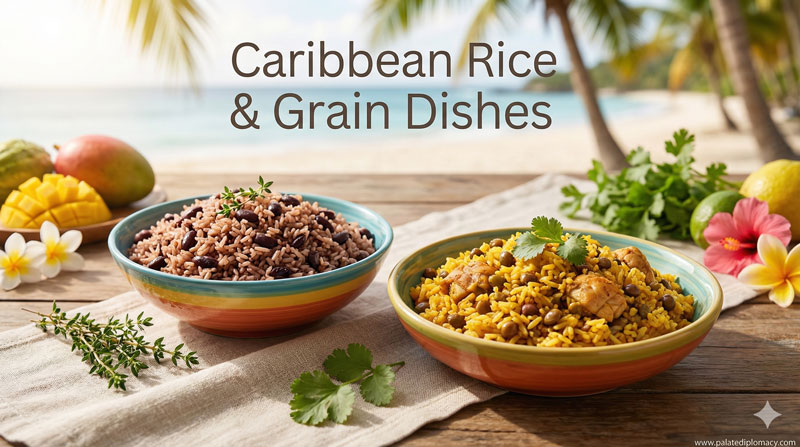
Introduction: A Local Favorite
Rice and peas stands as a warm welcome on many Caribbean tables. The dish blends creamy coconut milk, tender beans, and fragrant rice into a comforting, soulful meal. It signals hospitality, easy laughter, and everyday celebration. This guide invites you to explore the cultural value and culinary significance of rice and peas, and how locals savor it with respect and joy. You will see why this simple dish anchors family meals, market mornings, and cozy gatherings.
Core ingredients and flavor
The backbone is straightforward: rice, dried or canned peas (kidney beans or pigeon peas), coconut milk, a little oil, and a blend of aromatics. Fresh thyme, sliced scallions, garlic or onion, and a hint of pepper create its distinct aroma. The result is a creamy, nutty, herb-forward dish with a gentle warmth. In many kitchens, peas are a symbol of abundance; they soften into the rice and release their sweetness as they cook. Coconut milk adds depth and a silky mouthfeel that makes the dish feel lush yet balanced.
The craft of cooking: techniques and timeless methods
Locals often favor a slow, steady simmer that lets flavors mingle. Start with a small aromatics sofrito-like base: heat oil, bloom herbs, then add a mix of onions, scallions, and garlic. Next, add rice and peas, along with coconut milk and enough water to cover. A gentle boil gives way to a calm simmer. Do not rush this part; patience yields tender grains and well-distributed seasoning. Taste as you go, adjusting salt and heat. If using dried peas, soak them in advance to shorten cooking time; canned peas are convenient and quick with no compromise to flavor. The key is balance: enough liquid to render creamy peas, but not so much that the rice sits in soup.
Regional twists and variations
Across the Caribbean, rice and peas grows richer in texture and flavor through regional tweaks. In Jamaica, a bright, slightly spicy tone often comes from a whole pepper or a touch of scotch bonnet, along with thyme and scallions. Kidney beans commonly join the coconut milk for a hearty bite. Other islands favor pigeon peas (gungo peas) for a lighter, silky finish, sometimes gently seasoned with allspice and thyme. Some cooks use a blend of coconut milk and water to tailor richness. Regardless of variation, the dish remains about harmony: the rice encases the beans, and the coconut-mellowed sauce glows with herbs and peppers.
The social table: serving and etiquette
Rice and peas is flexible enough for daily meals or special family moments. It often accompanies stews, fried proteins, or sautéed vegetables. It can be a main, especially when paired with a savory side like saltfish on a Sunday spread. In serving, locals favor a generous scoop of rice and peas with the sauce lightly clinging to the grains. A simple plate, a shared meal, and easy conversation round out the experience. The dish welcomes guests with warmth and a sense of welcome that makes dining together feel natural and joyful.
Pairings and context: what to pair with rice and peas
Pair rice and peas with items that lift its coconut and herb notes. Fried plantains provide sweet contrast, while a light, crisp salad adds brightness. Stews—Like a tomato-based vegetable stew or a hearty meat stew—offer savory companionship without overpowering the dish. Grilled fish or jerk-seasoned proteins bring a smoky, flavorful balance. For beverages, fresh fruit juices, ginger beer, or coconut water harmonize with the tropical profile. The right pairing enhances the dish’s balance and highlights its comforting texture.
Shopping and storing: tips for freshness
When shopping, choose long-grain rice for fluffy grains that hold up well with the creamy peas. Pick dried peas (kidney beans or pigeon peas) or canned varieties depending on time and preference. If you opt for dried peas, rinse and soak them to ease cooking and improve texture. Look for coconut milk in cans or cartons with minimal additives. Store dried beans in a cool, dry place; once opened, canned coconut milk should be refrigerated. Fresh herbs, thyme, and scallions keep best in the refrigerator, wrapped lightly to preserve aroma.
A local tasting note: savoring the experience
The beauty of rice and peas lies in its aroma and texture. The scent of thyme mingles with garlic and onion. The beans turn creamy yet retain a gentle bite, while the rice stays fluffy and tender. Each bite delivers balanced richness from coconut milk and a clean, herby finish from scallions and peppers. This harmony makes the dish soothing and satisfying, a comforting reminder of home-like meals and shared tables.
How to enjoy like a local: a quick guide
To experience it as locals do, seek the dish at family kitchens or local eateries and ask for it as a side or main, depending on your appetite. If you like heat, request a touch of pepper or a small hot pepper on the side. If you prefer milder flavors, tell the cook your preference for gentler seasoning. Try it with a side of plantains or a simple salad to appreciate the dish’s versatility. Respect the rhythm of a kitchen: savor slowly, notice the aroma, and enjoy the moment as part of a larger meal.
Conclusion: a timeless, welcoming dish
Rice and peas embodies warmth, practicality, and culinary craft. Its cultural value rests in how easily it brings people together around a table. The dish celebrates simple ingredients transformed through careful technique and thoughtful seasoning. It stands as a testament to the beauty of everyday cooking and the pleasure of sharing food with others. By exploring its flavors, textures, and regional tunings, you can truly enjoy rice and peas like a local.