
Why Rice and Peas Is One of the Caribbean’s Most Loved Dishes
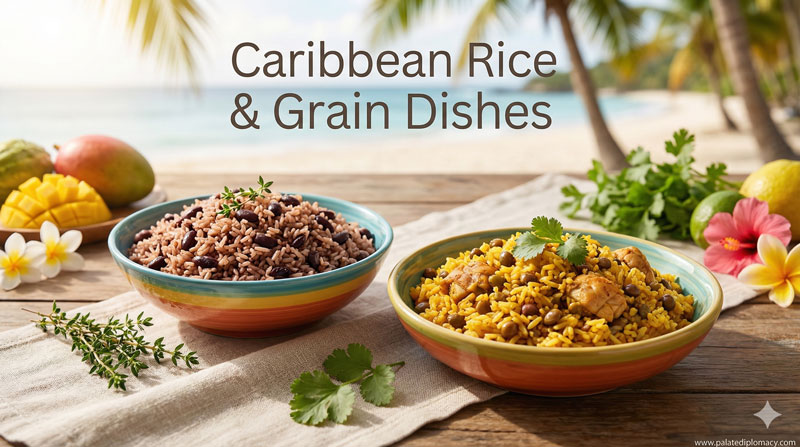
Rice and peas stands as a quiet, dependable favorite across many Caribbean kitchens. It welcomes you with a soft aroma of coconut and herbs, then delivers a comforting bite of tender grains and creamy beans. This dish feels Like a daily celebration of simple ingredients that come together with care. People share bowls at family tables, in cozy homes, and at bustling markets. It is a dish that invites conversation, warmth, and a sense of togetherness.
The beauty of this dish lies in its balance. The rice remains light and fluffy, the peas lend a gentle bite and protein, and the coconut milk adds a subtle sweetness and richness. Fresh herbs—like thyme and scallions—bring brightness, while a touch of onion and pepper adds gentle depth. The result is a one-pot meal that feels both nourishing and elegant, suitable for a weekday meal and for a special weekend gathering alike.
In every kitchen where it appears, rice and peas carries a story of shared effort. A simmering pot becomes a center for bonding, a place where cooks test a recipe, adjust a pinch of spice, and welcome others to the table. The dish respects time—letting flavors mingle slowly—yet it rewards with a satisfying finish. It is a culinary language of hospitality, spoken in the soft steam rising from the pot and the smiles that follow.
The Core Flavors That Define the Dish
At its heart, rice and peas is about harmony. The key ingredients—rice, peas (beans), coconut milk, thyme, scallions, and a pepper—create a chorus of textures and aromas. The peas provide creaminess and protein, while coconut milk brings a gentle roundness that makes every bite feel comforting. Thyme adds a fragrant lift, and scallions contribute a clean, fresh hint. A light heat from a pepper or a mild warming from pepper sauce adds welcome warmth, never overpowering the others.
Technique matters in this dish, but the approach remains approachable. Cooks begin with the liquid base, often coconut milk mixed with water or stock, then add the peas and seasonings. The rice is added and cooked until the grains drink in the liquid and steam to tender perfection. The aim is a cohesive pot where each grain is separate yet infused with the surrounding flavors. When done well, the dish shines with a glossy, inviting finish and a texture that is soft but not mushy.
Seasoning is where personal touch appears. Some kitchens balance salt with a pinch of sugar for a brighter finish; others rely on the natural sweetness from coconut and from the presence of allspice or paprika. The regional variety adds color to the dish, showcasing how a common method can yield distinct, regional notes without losing its core identity.
A One-Pot Celebration of Home and Hospitality
This dish often signals hospitality and care. A pot on the stove becomes a focal point for connection, a place where stories are shared as the steam rises. The act of serving rice and peas is a gesture of welcome. It says: you are invited to sit, to taste, to linger, and to enjoy the moment together.
Families often prepare rice and peas for daily meals as well as for special occasions. A Sunday family lunch, a feast after church, or a casual gathering with friends all feel better with a bowl of this dish at the center. The pot creates its own rhythm as it simmers, and that rhythm invites conversation—about the day, the memories of shared meals, and plans for the week ahead. The dish becomes a thread that ties generations to the kitchen, keeping a sense of continuity and care in everyday life.
Another aspect of its hospitality is versatility. It pairs with a range of proteins and vegetables, from fried fish to curry chicken, from grilled plantains to sautéed greens. The same base can welcome different flavors, and the table remains welcoming to new guests and familiar faces alike. In this way, rice and peas embodies a spirit of generosity that many families cherish.
Regional Variations and Personal Touches
Across the Caribbean, cooks adapt rice and peas to reflect local ingredients and preferences. In some places, pigeon peas offer a tender sweetness that blends beautifully with coconut milk. In others, red kidney beans bring a deeper color and a hearty bite. The choice of herbs, peppers, and spice levels can vary, contributing to distinct regional personalities while keeping the dish recognizable.
Some kitchens emphasize coconut, while others celebrate a brighter herbal note from thyme and scallions. The pepper choice might be a small touch for a gentle warmth or a more pronounced kick for a lively finish. Each variation honors the same idea: rice and peas as a one-pot meal built on balance, texture, and aroma. This adaptability allows cooks to craft versions that feel like home, even when the recipe is shared beyond its origin.
What remains constant is the sense of care poured into the pot. A good rice and peas tells a story of seasonal produce, of careful timing, and of traditional methods passed down with affection. The result is a dish that travels well in memory and in the kitchen, inviting listeners to imagine the sizzling pan and the cozy kitchen light.
Pairings and the Table Experience
Rice and peas shines with many Caribbean flavors, making it a natural pairing with a variety of dishes. It complements grilled, fried, and curried options, providing a creamy counterpoint to spiced meats and bright, tangy sauces. A plate with jerk chicken, curry goat, or fried fish often includes a side of rice and peas to complete the meal. Plantains, callaloo, or a fresh salad add texture and color to the table, enhancing the overall balance of flavors.
The dish also lends itself to celebratory and everyday meals alike. On special occasions, families might season the pot with extra herbs or coconut oil to elevate the aroma. For daily meals, a modest amount of coconut milk can deliver a comforting richness without overpowering the other flavors. In every setting, rice and peas acts as a unifying element, tying ingredients and people together through taste and texture.
Keeping the Tradition Alive in Today’s Kitchens
in Modern homes and kitchens, rice and peas continues to thrive because it is reliable and flexible. It remains a practical choice for busy days, yet it can be elevated for gatherings with careful technique and thoughtful ingredients. The dish invites experimentation, from adjusting spice levels to swapping beans, while preserving its essential character. This balance between tradition and creativity keeps the dish relevant and beloved.
Cookbooks, blogs, and home cooks alike celebrate rice and peas as a cornerstone of Caribbean cooking. Its appeal lies in accessibility, warmth, and a dependable spoonful of comfort that echoes through family meals and friendly suppers. As it travels from one kitchen to another, the dish retains its core identity while inviting new flavors to join the table. The result is a living tradition, always evolving, always inviting, and always a source of pride.
A Gentle Invitation to Experience the Flavor and Culture
If you have not yet explored rice and peas, consider a time to savor its gentle richness and its quiet strength. The dish offers more than taste; it offers a sense of place, a culinary rhythm, and the pleasure of sharing. It celebrates ingredients—rice, beans, coconut, herbs—and the care that goes into bringing them together. It stands as a small, powerful emblem of Caribbean food culture: welcoming, flavorful, and deeply human. Invite friends, try a version with your favorite additions, and enjoy the way this one-pot dish can touch the heart as it fills the table with aroma and warmth.