
Introducing the Dish: Everything You Need to Know About Rice and Beans
The dish “Everything You Need to Know About Rice and Beans” is a simple, enduring pairing. It combines fluffy rice with tender beans, creating a comforting meal you can cook with a few staples. When eaten together, rice and beans form a complete protein, adding to its appeal for everyday cooking. This guide celebrates its cultural value and culinary significance, inviting you to explore why so many kitchens treasure it.
A Harmony of Flavors and Textures
Rice and beans brings balance to the table. The rice offers airy, light grains, while the beans deliver creamy bite and savory depth. Spices, herbs, and aromatics lift the dish. Garlic, onions, peppers, thyme, cilantro, and bay leaves appear in many versions. Coconut milk, tomato base, or a squeeze of lime can brighten the dish. The result is a versatile canvas that respects regional preferences and personal taste, yet remains instantly recognizable and comforting.
Regional Traditions and Techniques
Across regions, cooks shape rice and beans with local ingredients. In the Caribbean and parts of Latin America, coconut milk or stock, along with garlic, onions, and thyme, infuse the beans and rice with warm, fragrant notes. In the Southern United States, red beans are often simmered with flavorful seasonings and sometimes sausage, then served over rice for a hearty plate. In West Africa, beans are simmered with onions, peppers, and bold spices, sometimes finishing with a touch of palm oil to deepen color and aroma. Each approach honors available produce and family preferences, creating a family of dishes that share a core idea: rice and beans as a comforting, everyday staple.
The Art of Preparation: From Start to Finish
Great rice and beans begins with good fundamentals. Rinse the rice to remove excess starch and prepare it with a precise water ratio. Beans benefit from gentle soaking to shorten cooking time and ensure tenderness; if you use dried beans, plan time for soaking and slow simmering. Some cooks brown aromatics first to build a flavor base, then add beans and liquid. Others opt for a more straightforward simmer with broth, salt, and herbs. Finish with a light stir, taste, and adjust seasoning. The beauty lies in clear technique that respects the ingredients rather than rushing the process.
Serving Ideas and Everyday Enjoyment
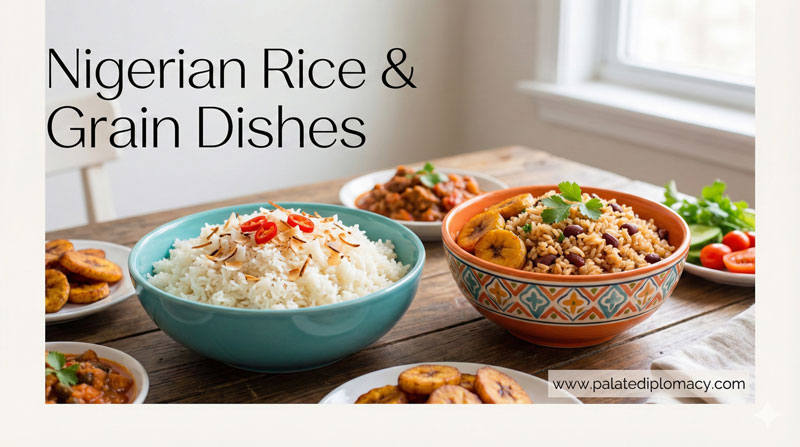
This dish shines as a meal or as a hearty side. Serve rice and beans with fresh herbs and a bright squeeze of citrus to lift flavors. Pair with fried plantains, avocado, or a simple tomato salad for color and contrast. A dollop of hot sauce or a tangy salsa can add spark. In many homes, it is the foundation for a weeknight dinner that can be easily varied with peppers, herbs, or a touch of smoke from paprika or paprika-based spice blends. Its versatility Makes It a reliable, crowd-pleasing choice for gatherings or quiet weeknights alike.
The Cultural Value: Heartbeat of the Kitchen
Rice and beans holds a special place in many food cultures. It is a reliable, adaptable dish that welcomes experimentation while honoring tradition. Families share their own tweaks, passing down recipes with pride and care. The dish carries a sense of home, a familiar aroma that signals comfort and belonging. It invites conversation, collaboration, and joyful repetition—each serving a reminder that good food connects people. Its simple ingredients and adaptable approach celebrate the beauty of everyday cooking and the artistry found in ordinary meals.
Quick Tips for Culinary Excellence
- Rinse rice well and use a consistent water ratio for fluffy grains.
- Soak beans if you can; it speeds up cooking and yields tender results.
- Start with a flavorful base (onions, garlic, herbs) to build depth.
- Add salt toward the end of cooking to avoid tough beans and overly salty rice.
- Finish with a bright touch, like citrus juice or fresh herbs, to lift the dish’s flavor.
If you’re looking for a dish that embodies warmth, adaptability, and communal joy, rice and beans welcomes you. It is more than a recipe; it is a shared practice in kitchens worldwide, a comforting staple that honors everyday cooking and the love poured into each meal.