
Introduction: How Rice and Beans Reflects Nigerian Food Culture
How Rice and Beans Reflects Nigerian Food Culture is more than a meal. It is a daily conversation on a plate. This dish brings together two humble staples: rice and beans. Together, they tell a story of balance, practicality, and shared nourishment. The plate mirrors the warmth of Nigerian homes and the joy of gathering around good food.
Core Flavors and Components
Rice provides a soft, neutral base. Beans offer earthiness and protein. A bright pepper sauce adds spark. Onions, a touch of palm oil, and a whisper of salt complete the profile. The result is a harmony of color and taste. The flavors are steady and comforting, yet lively when peppers meet heat. The ingredients are affordable and widely available, making the dish a trusted friend in many kitchens.
Texture, Color, and Harmony
Rice shines when fluffy, and beans become creamy with a gentle bite. The sauce coats both components, tying them together. The dish shows how simplicity can yield true richness. The play between soft grains and tender beans delights the palate. Color comes from the red pepper and the glossy hue of palm oil, inviting the eye as well as the palate.
Cultural Role and Hospitality
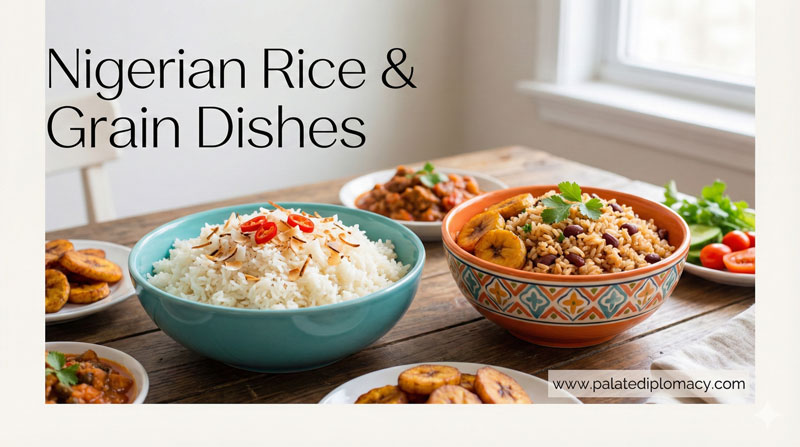
In many homes, rice and beans is a staple that feeds the family with care. It travels from the pot to small gatherings and shared meals with neighbors. It is common to serve with leafy greens or fried plantain, adding a seasonal or regional touch. Hosts offer generous portions, and guests feel welcomed by the inviting aroma. The dish embodies hospitality in every bite. It is A Practical food that supports energy for daily work and play alike.
Regional Variations and Family Traditions
Across Nigeria, cooks adapt the dish to local tastes. Some prepare a light tomato-based sauce; others enrich the pot with palm oil for depth. Some add crayfish or local spices for a distinct aroma. Others pair it with a favorite sauce or stew from nearby peppers. These variations reflect market offerings, family preferences, and seasonal produce. Yet the core idea remains the same: rice with beans, a balanced and satisfying plate.
A Living Tradition on the Table
The dish passes from one generation to the next. Children learn to rinse, soak, and simmer with care. Elders share tips for achieving a gentle texture and bright flavor. Each family adds its own touch, and the plate evolves while staying true to its roots. The result is not only food but memory, routine, and a sense of place.
Conclusion: A Taste of Nigerian Food Culture
Sitting with a plate of rice and beans, you taste more than nourishment. You taste a way of life. You taste care, rhythm, and hospitality. How Rice and Beans Reflects Nigerian Food Culture invites you to savor this simple dish and the culture it carries.