
Introduction
How Rice Pudding Reflects Nordic Food Culture invites us to see a simple dish as a mirror of everyday life. In Nordic kitchens, rice pudding is more than a dessert. It is a gentle ritual that marks the changing seasons, welcomes guests, and nurtures family bonds. The dish invites slow cooking, mindful tasting, and a sense of quiet hospitality. Here, flavor is warm and familiar, and the preparation becomes a small act of care. This article explores the cultural value and culinary significance of rice pudding, focusing on texture, technique, and the social moments it creates.
A Nordic Palette: Ingredients and Variations
Across Nordic homes, the base remains pale, creamy, and comforting. Rice is gently simmered in milk or a milk-and-water blend until the grains swell and soften. Sugar and a touch of salt balance the sweetness. Cinnamon and cardamom provide a soft spice note, while vanilla can add a gentle warmth. Toppings vary by family and season: a spoon of berry sauce, a swirl of butter, or a sprinkle of cinnamon. In some households, a whipped cream version named risalamande appears as a festive variation. Across Sweden, Denmark, Norway, and Iceland, the same dish carries small regional accents, yet the heart stays the same: a creamy canvas for togetherness.
A Winter Comfort: Seasonal Significance
Winter light is low and days are short in the Nordic compass. Rice pudding arrives as a comforting haven during those hours. It is quick to prepare in cozy kitchens, and it fills the home with a inviting aroma. The dish is often linked to family routines, morning breakfasts after a slow morning, or a warm evening treat. By presenting warmth in a bowl, it helps people feel grounded and cared for. In this way, rice pudding becomes a seasonal touchstone—simple, steady, and reassuring.
Technique and Texture: Crafting Creaminess
The magic lies in patience and balance. Begin with rinsed rice, then add it to hot milk to avoid clumping. A gentle simmer follows, with frequent but calm stirring. This keeps the grains from sticking and helps the starch release gracefully. The goal is a loose yet creamy porridge, not a dry grain or a soupy mix. A pinch of salt enhances the sweetness, while spices lift the flavor without overpowering it. Resting the finished pudding briefly lets the texture settle. In Nordic kitchens, technique matters because it yields a dish that feels both crafted and approachable.
Rituals and Sharing: The Almond Tradition
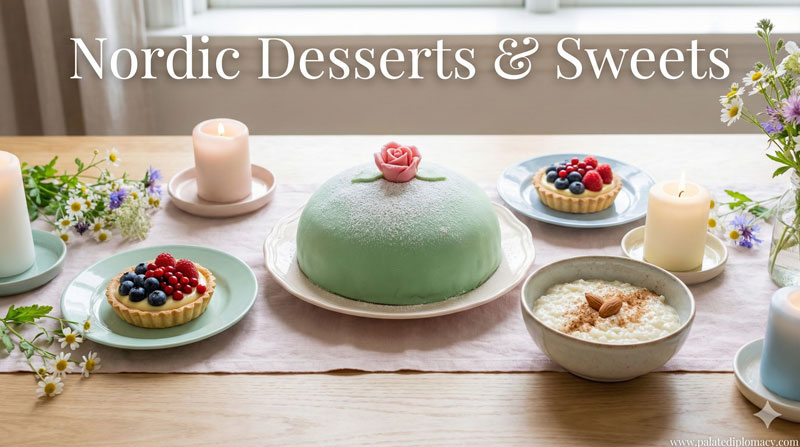
Many Nordic families turn rice pudding into a social moment. A small almond is sometimes hidden in the pot, inviting a moment of playful suspense. The finder may receive a tiny prize or be celebrated with a smile at the table. This light ritual strengthens bonds and creates a memory that families reference year after year. The act of sharing a warm bowl with others, listening to stories, and passing around a spoon makes the dish a lived tradition. Such moments deepen appreciation for the dish and for the people who share it.
Pairings and Garnishes: The Dance of Flavor
Rice pudding invites thoughtful pairing. A berry sauce or a tart lingonberry jam provides contrast to the creamy base. A pat of butter enriched with a dusting of cinnamon can feel luxurious yet simple. A pinch of cardamom adds a Nordic spice whisper. In festive variations like risalamande, whipped cream and chopped almonds transform the dish into a celebratory dessert with a different texture and sweetness. Each pairing highlights a different facet of Nordic taste: the freshness of berries, the warmth of spice, or the softness of a creaminess that lingers on the palate.
The Cultural Language of Simplicity
Rice pudding speaks in the quiet language of everyday life. It honors straightforward ingredients—rice, milk, a touch of sugar—while allowing room for personal touch. The beauty lies in restraint and balance. In Nordic culture, that balance reflects a broader appreciation for quality over excess, comfort without extravagance, and a sense of belonging that comes from sharing something earned and familiar. The dish becomes a common vocabulary that families use to say, “We care,” without needing elaborate ceremony.
A Food’s Footprint: Hospitality and Home
Hospitality is a key thread in Nordic food culture, and rice pudding is a natural ambassador of that value. Offering a warm bowl to a guest signals welcome and steadiness. The process of cooking together—stirring, waiting, tasting—transforms a Simple Recipe into a social activity. As a result, the dish strengthens community at the kitchen table and beyond. When a household sits down to enjoy it, the moment becomes a memory that travels with them, ready to be shared again.
A Gentle Bridge Between Generations
Rice pudding connects generations through memory and routine. Grandparents may share a childhood version, while younger cooks adapt it with new spices or toppings. The transition between old and new is smooth and respectful, preserving tradition while inviting subtle innovation. This bridge—between past flavors and present preferences—keeps Nordic food culture alive in kitchens across the region. It is a reminder that good food travels best when it carries stories as well as taste.
Conclusion
In its simplicity, rice pudding reflects a Nordic ethos: care, clarity, and quiet generosity. The dish offers warmth in cold seasons, comfort in busy days, and a gentle invitation to gather. From the careful simmer to the shared bite, it embodies hospitality and memory. Through its texture, spices, and occasional playful rituals, rice pudding stands as a small but meaningful pillar of Nordic culinary culture. It teaches us that beauty can be found in ordinary ingredients, prepared with patience and kindness.