
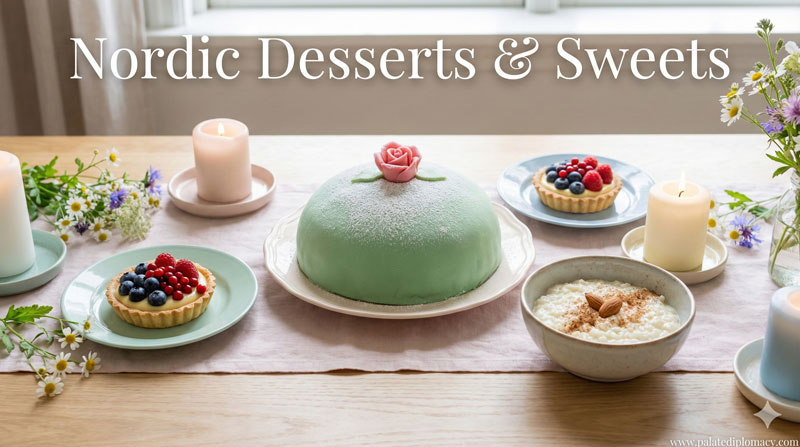
How Rice Pudding Reflects Nordic Food Culture
Rice pudding may seem simple, yet it carries a quiet, powerful message about Nordic life. In kitchens across the region, this dish links daily care with the changing seasons. It invites patience, warmth, and shared moments. The beauty lies in how a humble spoonful can express hospitality, tradition, and a sense of place.
A Simple Craft: Ingredients and Technique
The core ingredients are straightforward: short-grain rice, milk, a pinch of salt, sugar, and a touch of butter. Some households add vanilla or a hint of cinnamon for fragrance. The method is approachable: simmer the rice gently in milk, stirring often until the grains soften and the mixture becomes creamy. Finish with a small pat of butter, a dusting of cinnamon, and a quiet patience that lets the porridge shine.
Seasonal Rhythm and Home Comfort
Across Nordic homes, rice pudding marks the rhythm of the year. It warms winter mornings and offers a comforting finish after a long day. The dish shines in the quiet hours of late autumn and during festive celebrations, when light lingers softly. Its simplicity Makes It a reliable, welcoming presence, inviting people to slow down and savor a moment together.
Texture, Aroma, and Memory
Creamy, silky, and gently sweet, rice pudding awakens the senses without overpowering them. The aroma of milk and gently toasted rice travels through the kitchen, signaling care and attention. The texture—soft grains in a smooth, warmed paste—feels soothing to the palate. In this harmony of texture and scent, the dish becomes a comforting memory in the making.
Traditions of Sharing and Rituals
A Beloved ritual in many homes is to serve rice pudding with cinnamon and sugar, sometimes with a small knob of butter melting through the top. In some households, a playful almond is hidden inside the pot, and the finder receives a token of good luck or a light-hearted prize. Whether shared at breakfast, a teatime moment, or after a festive meal, the practice centers generosity, togetherness, and a gentle sense of celebration.
Regional Voices Across the Nordic Countries
Nordic versions of the dish share common roots while offering local character. In Sweden, risgrynsgröt is a familiar name for the porridge that graces breakfast tables and holiday meals. In Denmark, risengrød serves as a comforting staple with its own subtle sweetness. Norway keeps risgrøt close to home, often embraced as a part of winter menus. Finland brings riisipuuro into daily life with a soft, creamy texture and a companion of fruit or milk. Across these lands, the dish reflects regional tastes while remaining a unifying symbol of warmth and daily care.
Modern Interpretations and Culinary Significance
Today, cooks preserve the dish’s essence while exploring new flavors. Some households introduce a dash of cardamom, lemon zest, or coconut milk for variety. Others blend in seasonal berries or a spoonful of jam to brighten the finish. These adaptations honor tradition while inviting curiosity. The enduring significance lies in how rice pudding remains a dependable canvas for Nordic hospitality, seasonal life, and the simple pleasure of a well-made bowl.
A Gentle Conclusion
How rice pudding reflects Nordic food culture is a story of quiet strength and everyday beauty. It showcases humility in technique, clarity in flavor, and generosity in sharing. The dish teaches us to value small rituals, to slow down, and to welcome others to the table. In every creamy mouthful, we taste a sense of place, care, and the unspoken warmth of Nordic life.