
Discover the Rich Flavors of Bun Kebab
Welcome to a savory corner of the food world where simplicity meets celebration. Bun Kebab is more than a sandwich; it is a warm expression of craft, aroma, and shared joy. In many neighborhoods, vendors craft this humble dish with care and pride. The bun cradles a juicy kebab, while chutneys and crisp onions add brightness. Each bite blends aroma, texture, and a gentle heat. The dish invites conversation as much as it invites the palate. It stands as a beloved part of daily meals, street corners, and friendly gatherings. Through its simple form, Bun Kebab reveals a culture that loves Bold Flavors and generous hospitality.
What Exactly Is Bun Kebab?
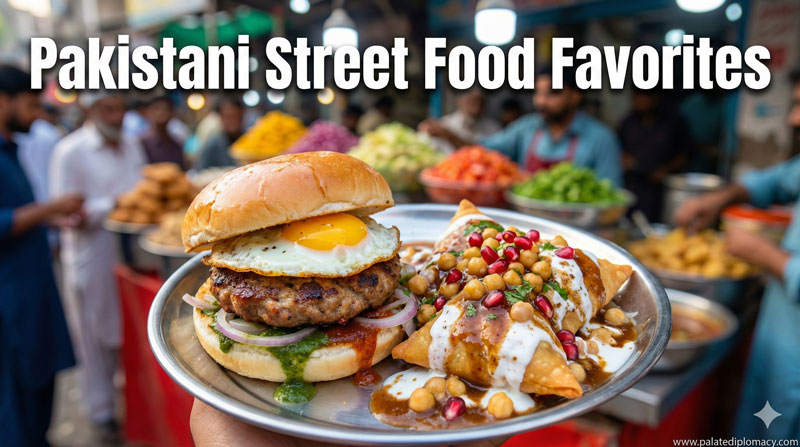
At its heart, Bun Kebab is a soft bun embracing a spiced kebab patty or small grilled meat pieces. The filling is seasoned with a blend of cumin, coriander, garam masala, garlic, and ginger. Fresh onions, crisp lettuce, and juicy tomato add color and crunch. Chutneys—tamarind, mint-c coriander, or yogurt-based—bring tang and brightness. The result is a balanced bite that sings with warmth and brightness. Vendors may vary the ratios, but the core idea remains the same: a tender center nestled in a warm bread hug.
The Dance of Flavors: Ingredients That Sing
The meat is ground or finely chopped, then kissed with fragrant spices and herbs. Skewer or patty techniques depend on the cook, yet the goal stays steady: a juicy interior with a hint of char outside. Grilling or pan-searing releases a smoky aroma that anchors the sandwich. Meanwhile, the bun is lightly toasted to hold its shape and soak up a touch of savor. Fresh vegetables and bright chutneys provide balance, turning each bite into a chorus of savory, sweet, and tangy notes. This harmony keeps Bun Kebab inviting from morning markets to late-evening stalls.
Techniques That Elevate the Dish
Vendors practice precise timing to preserve moisture and flavor. They keep heat steady to seal in juices while developing a tempting crust. They toast the bun just enough to add texture without making it dry. They layer chutneys in a way that coats the bite without overpowering the meat. Finally, they add onions and greens with care, so every mouthful feels complete. These small, deliberate steps transform a street snack into a refined expression of technique and care.
Cultural Value: A Meeting Place for Friends and Family
Bun Kebab often acts as a social bridge. Friends gather on a busy corner or a quiet lane to share a quick meal and stories. Families savor a simple plate after a long day, passing sauces and tips along with smiles. The dish travels between households, carrying everyday rituals of hospitality. Vendors greet regulars by name, turning a meal into a familiar, comforting ritual. In this way, Bun Kebab nourishes both body and community, one flavorful bite at a time.
Regional Voices: Variations Across Cities
In Karachi, the kebab may be richly spiced with a tangy chutney and a squeeze of lemon. In Mumbai, cooks sometimes pair it with a crisp fried potato slice and a chili chutney for extra zing. In Dhaka, the bun might be softer, with a bright coriander chutney that brightens the plate. In Lahore, the curry notes lean bolder, with onion relish to add depth. Each city adds its own touch, yet the core idea remains the same: a soft bun holding a hot, flavorful filling. These regional flavors enrich the dish while keeping its heart intact.
Serving Traditions and Pairings
Serve Bun Kebab with extra chutneys, fried onions, and lemon wedges for brightness. A cooling yogurt raita or mint chutney provides contrast and balance. Pair the dish with a cup of hot chai or a refreshing lassi to complete the experience. The platter invites sharing, and the aroma invites conversation. In this simple setup, the meal becomes a small ceremony of hospitality and connection.
A Bite of History in Every Bite
The dish grew where kitchens adapted bread, meat, and spices into something portable and satisfying. Over time, cooks blended regional flavors, turning Bun Kebab into a symbol of everyday ingenuity. The result is a dish that travels well from street stalls to family kitchens, carrying memories of bustling markets and cheerful meals. Each component carries stories of tradition, ingenuity, and a love for good company. The history is quiet but meaningful, found in the careful balance of spice, bread, and sauce.
How to Enjoy Bun Kebab at Home
Choose a soft bun, a well-seasoned kebab patty, and bright chutneys. Toast the bun lightly, warm the kebab, and stack with onions and greens. Finish with chutney on the inside and a light squeeze of lemon juice. Serve hot and savor the balance of spice, sweetness, and acidity. With a few simple steps, you recreate the magic of street-side cooking in your own kitchen.
Conclusion: A Timeless Favorite
Bun Kebab invites us to taste culture as it lives in daily life. It shows how simple ingredients become a shared joy. By exploring its flavors, we celebrate hospitality, craft, and community. This dish remains a graceful reminder that food can welcome others, tell a story, and spark smiles—one delicious bite at a time.