
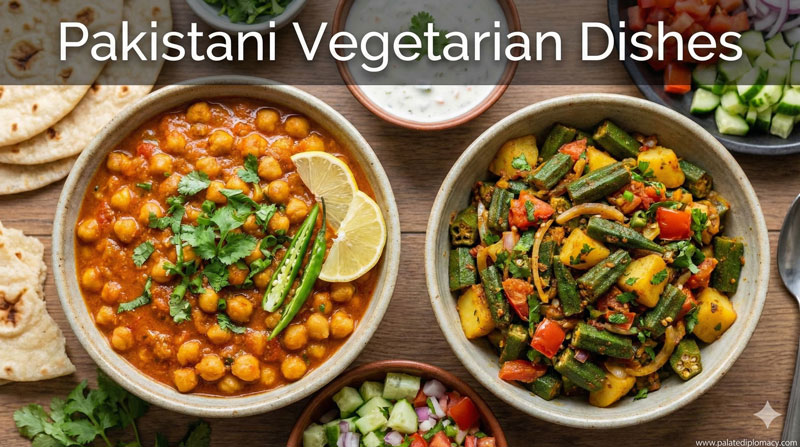
Introduction: Discover the Rich Flavors of Mixed Vegetable Curry
This dish celebrates the market’s bounty in a single pot. Mixed Vegetable Curry blends a colorful mix of vegetables with a gentle tomato and spice base. It shines in homes, at family meals, and in simple gatherings. The aroma tells a story of careful prep, fresh produce, and mindful seasoning. It is warm, balanced, and elegantly everyday.
Core Components and Cultural Value
A balanced mix of vegetables defines the dish. Potatoes, carrots, peas, cauliflower, beans, and peppers are common stars. Cooks also add zucchini, okra, or leafy greens when the season or pantry allows. The vegetables speak to abundance and variety. Preparation honors each vegetable’s natural sweetness while letting spices lift the flavor. The result is comforting, approachable, and ready for sharing.
Spice Harmony and Flavor Building
Warm spices form a fragrant foundation. Cumin, coriander, turmeric, and garam masala mingle with garlic, ginger, and green chili. Tomatoes add tang and body. A pinch of salt pulls flavors together. The spice blend remains gentle, so each vegetable can sing while the sauce carries the group of flavors.
Cooking Techniques that Honor Tradition
Begin by heating oil in a wide pan. Add onions and sauté until soft and pale gold. Then add garlic and ginger, followed by the spices to bloom. Pour in chopped tomatoes and cook to form a smooth base. Add vegetables and enough water for a saucy coating. Simmer until the vegetables are tender and the sauce thickens. A final tempering of spices in hot oil boosts aroma. This sequence respects the cookware and timing many cooks cherish.
The Colorful Palette and Texture
The curry presents a rainbow of hues: orange carrots, green peas, white potatoes, purple peppers, and pale cauliflower. Each bite offers tender vegetables in a silky sauce. The contrast of soft textures and a light drizzle of oil brings brightness to the dish. The plate becomes a celebration of color, balance, and comfort.
Serving Traditions and Pairings
Serve with cooked rice or a variety of flatbreads such as chapati, roti, or naan. A bowl of yogurt or a cucumber salad complements the warmth. The dish suits quick weeknights as well as longer, shared cooking sessions. It invites conversation and slows the pace to Enjoy aroma, taste, and color.
Regional Twists and Everyday Comfort
People adapt the curry to local produce and tastes. A splash of coconut milk can add gentle creaminess in coastal kitchens. Leafy greens can join or replace other vegetables. Local herbs, like cilantro, finish with a Fresh note. These twists keep the dish lively while preserving its core idea: a hearty, vegetable-forward curry.
Seasonal Inspirations and Sustainability
The dish shines when built from seasonal harvests. In spring and summer, tender beans and peppers take center stage. In autumn, root vegetables provide depth. The recipe welcomes flexibility and minimizes waste by using what is available. This makes the dish sustainable and accessible year-round.
Final Thoughts: A Timeless Favorite
Mixed Vegetable Curry is more than a meal. It is a shared ritual of cooking, aroma, and care. It teaches balance, generosity, and curiosity for produce and flavor. This dish invites everyone to celebrate the kitchen as a welcoming space where vegetables, spices, and heart converge.