
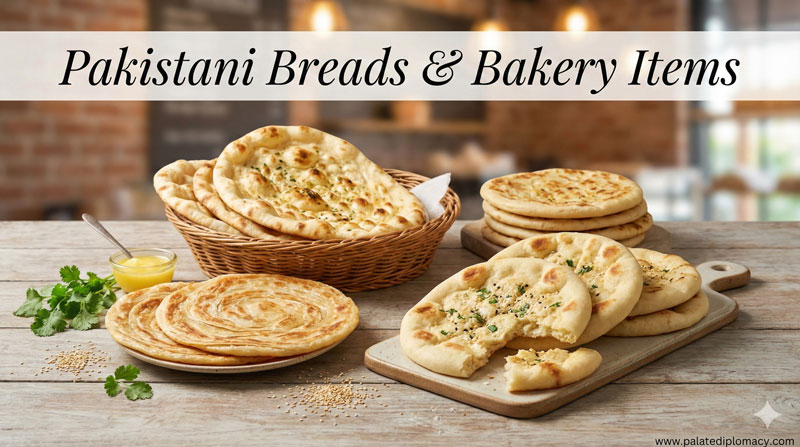
Discover the Rich Flavors of Roti
Roti is a humble bread with a remarkable presence. It joins meals with a quiet dignity and a comforting texture. The dough is simple: whole wheat flour, water, a pinch of salt, and a touch of oil or ghee. Yet the aroma as it cooks and the soft bite it offers tell a story of care, tradition, and daily nourishment. Roti’s flavor comes from the grain itself and from the moment of cooking. When hot, the dough releases a toasty note, and the surface blushes with color. Each bite carries a balance of tenderness and strength, ready to scoop up curries, lentils, or vegetables. In every kitchen, roti is more than food; it is a friend at the table, inviting conversation and shared meals.
The Making of Roti: Craft and Technique
First, the dough rests briefly to hydrate the flour. Next, cooks portion the dough and roll it into even disks. A light dusting of flour helps prevent sticking, but the aim is to keep the surface smooth and round. On a hot pan, the roti cooks quickly. It puffs with steam, revealing a network of soft layers. Then a quick flip, a touch more heat, and a final puff to finish. Some homes finish the bread with a dab of ghee or oil for extra shine and aroma. The technique is simple, but it rewards patience and practice. With each batch, the cook learns to judge hydration, warmth, and the pace of the flame. The result is bread that feels fresh, flexible, and ready to pair with many flavors.
Roti in the Plate: Cultural Significance
Roti holds a central place at the table. It acts as a vehicle for flavors and textures, carrying dal, vegetables, or spicy dishes from the bowl to the mouth. In many homes, serving roti to guests is a sign of hospitality and care. The bread also marks daily routines—breakfasts that pair roti with tea, lunches that unite grains with lentils, and dinners that complete a curry with a soft, warm bite. Beyond daily meals, roti fosters a sense of home and rhythm. It invites togetherness, from the quiet shared meal to the cheerful bustle of kitchen prep. In this sense, roti is more than nourishment; it helps define the mood of a family meal and the flow of everyday life around the table.
Regional Varieties and Influences
Roti appears in many forms, shaped by local grains and tastes. In its broad sense, roti is a round, unleavened bread that can be crafted from various flours. Common varieties include whole wheat roti, which emphasizes a sturdy bite, and thinner, softer rounds that puff a bit when they meet the heat. Some regions favor alternate grains, such as millet or sorghum, offering a denser texture and a distinct sweetness. When corn-based or mixed flours are used, the flavor shifts and adds color to the plate. Regional names may vary—phulka, chapati, or simple roti—yet the purpose remains the same: a warm bread that harmonizes with sauces and vegetables. The shared practice of rolling, cooking, and serving creates a common culinary thread across kitchens, while the local grain choices celebrate regional harvests and flavors.
Pairings: Sauces, Dishes, and Flavors
Roti Shines when paired with sauces and dishes that invite it to glide across the palate. Think of a hearty dal with cumin and garlic, a softly spiced Vegetable Curry, or a chickpea-based preparation with a bright tomato finish. A dollop of yogurt or a spoonful of chutney adds cool contrast, while a small amount of pickle awakens the senses. The bread acts as the perfect vehicle, catching bits of sauce and cooperating with texture. In each pairing, roti helps balance spice and aroma, letting the dish’s core flavors come forward. This harmony makes meals feel complete, with the bread tying courses together in a single, satisfying experience.
A Home Craft: Making Roti as a Family Experience
Making roti can be a warm ritual in the home. Children often observe first, then participate by dusting the board or turning the pan. The process teaches patience, timing, and care for ingredients. Each helper learns to feel the dough’s texture, to judge when it is ready to roll, and to adjust the heat of the pan. The shared activity creates simple, joyful moments—laughs at a misrolled circle, quiet pride when a roti puffs perfectly, and a sense of togetherness that lingers after the meal is finished. The result is not only bread but a memory of a kitchen filled with activity, scent, and companionship.
The Enduring Appeal of Roti
Roti is a versatile, dependable part of the culinary landscape. It tastes of daily life yet carries an artistry in its making. Its texture invites dipping, scooping, and shaping, while its neutral base welcomes a world of flavors. The bread’s cultural value lies in its simplicity, its ability to adapt to different meals, and its role in bringing people together at the table. Roti stands as a gentle reminder that good food often travels the shortest path—from flour to flame to plate—carrying warmth, nourishment, and shared delight every step of the way.