
Introduction
The Rise of New-Style Polish Street Food in Modern Polish Food Culture is a vibrant expression of today’s culinary curiosity. It invites readers to taste the way tradition and innovation meet in bustling city streets. This dish-medium shows how Polish flavors can spark joy, community, and creative craft.
What the dish looks like today
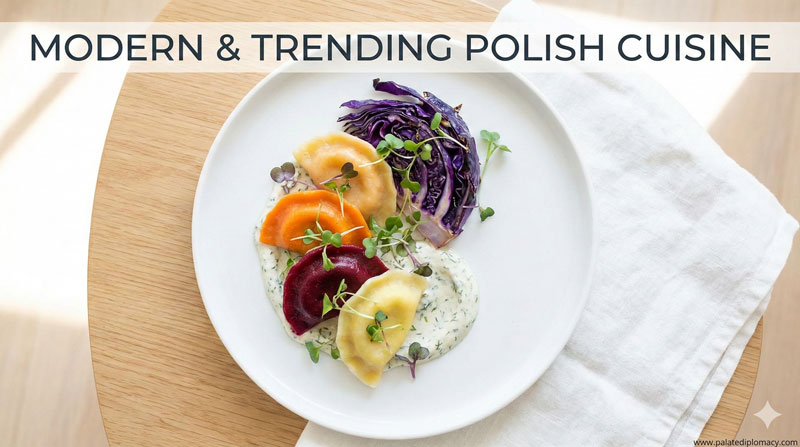
This is a curated ensemble of bite-sized comforts and bold twists. Think pierogi with inventive fillings, small flatbreads topped with smoked fish, and skewers that pair cabbage, dill, and rye with bright sauces. The presentation emphasizes color, texture, and accessibility, so visitors of every background can explore Polish street food with ease. The dish embraces seasonal ingredients and bright, clear plating that highlights local produce.
Core ingredients and techniques
Local rye, sour cream, aged cheese, mushrooms, and fresh greens anchor the flavors. Chefs layer smoke, pickling, and crisp frying to build contrast in every bite. Open-fire grilling, quick-fermentation, and precise pan-searing bring depth without heaviness. The dish favors clean, expressive sauces and a balance of tang, sweetness, and herbs. Each element serves the whole, inviting guests to savor both tradition and invention.
Cultural value
The dish acts as a social bridge in markets and street corners. It creates space for neighbors to share tastes, stories, and ideas. By blending time-honored Polish ingredients with modern techniques, it honors regional roots while inviting new conversations about food. The experience supports local vendors, small farms, and neighborhood pride, turning everyday meals into memorable rituals. It also becomes a canvas for family memories and generational craft, passed along with care.
Culinary significance
From a culinary standpoint, the dish demonstrates how technique and ingredient choice shape identity. It spotlights texture harmony—crisp edges, tender centers, and creamy elements—while delivering familiar flavors in fresh forms. The use of fermentation and fire brings umami and warmth. By experimenting with form and plating, it expands how Polish Cuisine can be perceived: approachable, lively, and intricate all at once.
Where and how to experience it
Visit city markets, summer street fairs, or seasonal food halls to encounter this dish. Chefs often pair it with regional drinks and small, shareable sides, making tasting moments social and joyful. Look for rotating menus that spotlight local producers. The result is a culinary stroll: you sample a variety of bites, each revealing a tiny story of place and craft.
The future of Polish street food in culture
This movement anchors Polish street food in contemporary life without losing its warmth. It invites more chefs, home cooks, and vendors to contribute ideas, textures, and colors. As it evolves, the dish remains generous and welcoming, celebrating polish flavors while encouraging experimentation. The beauty lies in its adaptability and its ability to reflect seasons, markets, and community rhythms.
Final thoughts
The Rise of New-Style Polish Street Food in Modern Polish Food Culture is more than a menu; it is a doorway to shared experience. It invites readers to explore, savor, and celebrate the dynamic soul of Polish cuisine. Embark on a tasting journey and let each bite tell a story of modern tradition meeting everyday joy.