
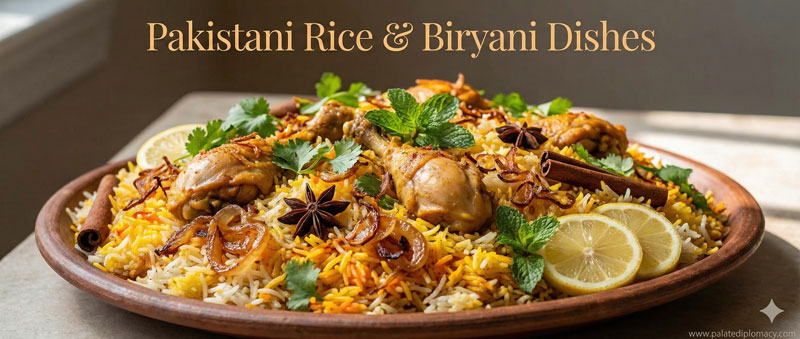
How Pulao Became Popular in Pakistani Cuisine
Pulao, known as pilaf in many kitchens, is a dish that invites conversation as it cooks. In Pakistani homes, pulao signals care and sharing. The aroma alone can greet guests before the first bite. Over time, families and chefs refined this dish, making it a staple at everyday meals and at special gatherings. This post explores how pulao grew into a beloved part of Food Culture, celebrated for its warmth and balance.
Origins and Cultural Roots
Stories of pulao weave through many kitchens. in Pakistan, cooks learned to pair fragrant rice with a thoughtful blend of spices and seasonal ingredients. First comes the rice, rinsed and soaked to reveal its shine. Next, onions turn golden and release sweetness. Then whole spices toast, perfuming the air. Finally, layers of meat or vegetables mingle with steam until the grains are distinct and tender. This sequence mirrors how care travels from hand to pot to table.
Aromatic Core: Ingredients and Techniques
At the heart of Pakistani pulao are basmati rice, onions, and a curated spice group: cumin, green cardamom, cinnamon, cloves, bay leaves, and black pepper. Saffron or turmeric adds color and soul. Oil or ghee carries the aromas. The technique matters: soak the rice, fry onions slowly, toast spices, then add stock and the layered ingredients. The dum method, where the pot is sealed, lets steam finish the dish gently. The result is airy grains with perfumed depth.
Regional Variations and Their Stories
Punjab favors a robust, comforting pulao with meat or peas, producing a hearty centerpiece. Sindh offers brighter notes, with saffron and dairy to enrich the grains. Balochistan adds dried fruits, nuts, and a touch of sweetness to contrast spice. In Khyber Pakhtunkhwa, mint and coriander brighten the pot and carry a sharper aroma. Across regions, cooks adapt textures and sizes, but the core stays the same: fragrant rice, balanced spice, and a gentle finish.
Hospitality and Gatherings: The Social Role
Pulao is the dish that welcomes guests and marks occasions. In many homes, serving pulao signals care and generosity. Families share it at celebrations, after prayers, and during weekend meals. It appears on tables alongside raita, crisp salads, and pickles, each item enhancing the main dish. The act of serving, with warm bowls passed hand to hand, strengthens bonds and creates memories.
Sensory Experience: Aroma, Texture, and Color
Listen for the sizzle of onions and the crackle of spices. Smell the sweet, smoky, and earthy notes that rise from the pot. See the grains shine with a pearly glow, each separate and delicate. Taste confirms the balance: light, savory, and satisfying. Color from saffron or turmeric adds a festive glow. This sensory palette makes pulao more than food; it is a mood, a memory, and a promise of comfort.
Serving Traditions and Pairings
Serve pulao with cooling raita, a crisp salad, and a tangy pickle. Grilled kebabs or slow-cooked curries pair beautifully. A side of dal or lentil curry can deepen the meal, while yogurt-based sauces refresh the palate. In homes and eateries, the timing of serving matters: the steam should still rise when the bowls reach the table. The experience is as much about sharing as it is about flavor.
Conclusion: A Dish That Joins People
From family kitchens to festive tables, pulao carries warmth and welcome. Its enduring appeal comes from simplicity, craft, and generosity. As a staple of Pakistani cuisine, pulao partners with many dishes and occasions, always inviting conversation and connection. When you lift a bowl, you taste a culture that values hospitality, balance, and the joy of good food.