
The Rise of Smoked Polish Ham in Modern Polish Food Culture
Smoked Polish ham has moved from the shadows of traditional kitchens into the bright spaces of modern Polish cuisine. This dish now marks a clear moment in Polish food culture: a bridge between time-honored methods and contemporary taste. It wins admiration for its warmth, aroma, and the way a simple slice can tell a story of care, place, and shared meals. In today’s dining rooms, markets, and restaurant menus, smoked Polish ham stands as a vivid example of how flavor can carry memory while inviting new textures and ideas.
Crafting Flavor: Smoking Techniques and Ingredients
The heart of smoked Polish ham lies in the careful balance of salt, smoke, and time. Salt draws out moisture and preserves texture, while smoking adds deep aroma without overpowering the pork’s natural sweetness. Polish artisans often favor beech wood for its clean, honeyed notes, though fruit woods like apple can lend a gentler kiss of sweetness. The smoking can be hot or cold, but in modern practice, hot smoking is common for home cooks and small studios, delivering an inviting pink slice with a tender chew.
Cured and smoked ham in Poland embraces a few trusted steps. A brine or dry rub seasoned with coriander and marjoram can introduce subtle herbaceous warmth. Garlic, pepper, and a touch of sugar sometimes appear in this mix, enhancing the pork without masking it. The result is a ham that carries both briny depth and a gentle smoke finish. This combination allows for immediate enjoyment on a platter or as a foundation for creative dishes. The technique matters, but so does restraint; the best slices sing when the smoke leans in rather than shouts.
Regional Voices: How Poland Celebrates Different Styles
Poland’s vast landscape nurtures diverse preferences, and the smoked ham adapts to each region’s palate. In the north, coastal air and sea-salt finishes can influence the rind and texture, producing a slightly firmer bite that pairs well with rye bread. In central areas, marjoram, garlic, and pepper rhyme with farmer’s markets and family recipes, creating a familiar, comforting profile. The south often brings a heartier, wood-forward smoke that echoes alpine huts and hillside gatherings. Across these regions, the core idea remains the same: ham that embodies patience, craft, and the rhythm of daily life.
Modern producers also explore balance with leaner cuts and longer resting periods. This yields slices that hold their shape on a plate while still offering tenderness. The variability is a strength, inviting cooks to select a slice that matches the moment—breakfast with eggs, a sandwich at noon, or a celebratory board in the evening. In markets and on restaurant menus, you’ll often see “smoked Polish ham” described with a nod to its regional character, signaling both consistency and local pride.
From Breakfast to Celebration: The Ham on the Table
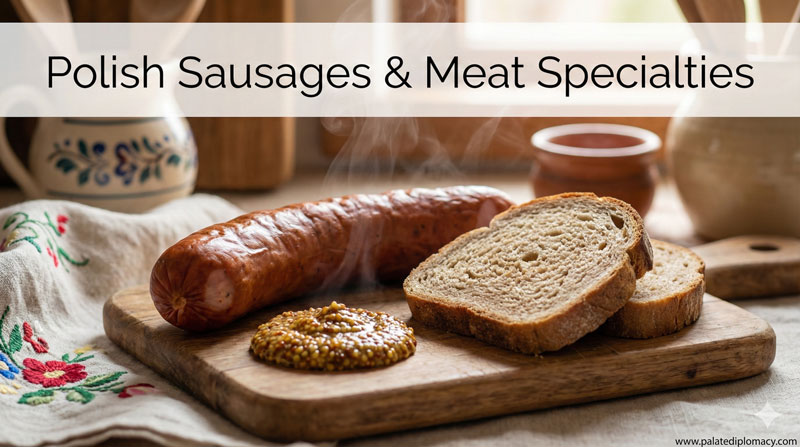
Smoked Polish ham has a versatile presence at the table. For morning rituals, a thin slice atop crusty bread with a touch of mustard feels bright and comforting. It pairs well with crisp vegetables and a soft-boiled egg, offering a balanced contrast of smoky depth and fresh bite. As a midday star, it lends substance to hearty sandwiches and picnic boards, where rye and sourdough provide the perfect stage for the ham’s aroma.
Evenings and celebrations reveal a more majestic role. A well-arranged charcuterie board may feature layered slices, garnishes of pickles and horseradish, and sharp cheeses. The ham’s smoky perfume weaves with tangy notes from kraut or beets, creating a spectrum of flavors on the plate. In soups or stews, small cubes of smoked ham can enrich the broth with a gentle smoke that elevates rather than overwhelms. The dish proves its kinship with everyday meals and with the more festive settings where family and friends gather.
The Craftsperson Behind Each Slice
Behind every slice stands a craftsman or craftswoman who respects time-honored routines while inviting fresh ideas. Small, family-run smokehouses and newer boutique producers both contribute to the dish’s modern story. In these spaces, careful sanitation, controlled smoke, and consistent curing partners are essential. The people who work with pork, salt, and wood become custodians of flavor memory. Their craft is not merely technique; it is a practice of patience and discipline that quietly shapes the culture around every table.
Education and collaboration also shape this rise. Culinary students explore traditional methods, while chefs experiment with complementary flavors and seasonal ingredients. Yet even with experimentation, the core remains the same: a ham that honors the animal, the land, and the hands that prepared it. The result is a product with depth and character—one that invites conversation and appreciation without ceremony or spectacle.
Modern Trends: Coexistence with Health and Sustainability
Today’s smoked Polish ham exists within a landscape that values clarity, nutrition, and sustainability. Many producers highlight sustainable sourcing, transparent labeling, and ethical farming practices. This transparency helps shoppers choose products that align with their values, whether they are seeking full-flavor richness or leaner cuts. At the same time, cooks seek balance. Smoky ham can be a catalyst for lighter meals when paired with vegetables, grains, and bright sauces.
Meal planning now often features versatility. A few slices can anchor a hearty brunch, while a small board can anchor a relaxed evening gathering. The beech and fruit woods used in smoking are chosen to deliver aroma without heaviness, supporting a dining experience that feels fresh rather than forceful. In this way, the Rise of smoked Polish ham reflects a larger interest in mindful eating and in celebrating traditional crafts with modern sensibilities.
The Cultural Value: Why It Matters
The rise of smoked Polish ham in modern Polish food culture matters because it embodies several enduring ideas. It is a tangible link between generations, a way to share memory through flavor. It signals regional pride while welcoming contemporary tastes, showing how a classic technique can evolve without losing its heart. It invites curiosity, inviting people to taste, compare regional styles, and discover personal favorites.
Moreover, the dish demonstrates hospitality at its core. A generous plate of smoked ham invites conversation, a pause to savor aroma, a moment to consider textures. It grounds celebrations and everyday meals alike, reminding us that good food can nourish community as well as appetite. Finally, it demonstrates a confident, craft-centered approach to cuisine. Producers, chefs, and home cooks collaborate to sustain a tradition while inviting new ideas.
The beauty of smoked Polish ham lies in its simplicity and depth: a few well-chosen ingredients, patient time, and a skillful touch with smoke. It is a story told in slices—of markets and kitchens, of families and friends, of regional pride and modern curiosity. In today’s Polish food culture, it stands as a welcoming emblem of how tradition can thrive alongside innovation. It invites everyone to taste, reflect, and celebrate the shared flavors that knit a community together.