
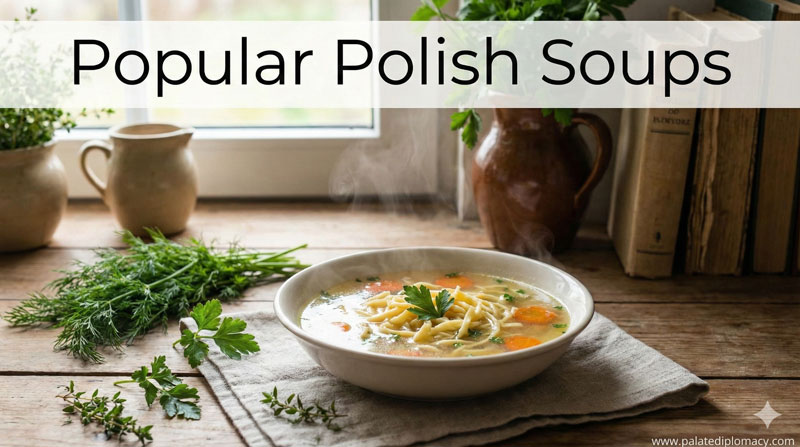
Introduction: The Rise of Zupa Ogórkowa in Modern Polish Food Culture
Zupa ogórkowa, or sour cucumber soup, is making its mark in contemporary Polish dining. It stands out for its bright aroma, comforting body, and bright tang. In today’s kitchens and eateries, this dish bridges memory and invention. It invites both home cooks and chefs to celebrate a classic ingredient set with fresh techniques. The result is a inviting, accessible dish that speaks to the heart of Polish food culture.
Core Ingredients and Technique
The foundation is clear: cucumbers, potatoes, and a flavorful broth. Fermented or fresh cucumbers provide the signature tart note. Potatoes add heft, while dill and sometimes caraway or marjoram lift the aroma. A swirl of sour cream or a dairy-free alternative rounds the texture. The technique is simple: simmer gently to soften the vegetables and release sweetness, then finish with a bright dairy or plant-based finish. The balance between tang and creaminess defines its charm. When prepared with care, the result feels both rustic and refined, suitable for a casual weeknight and an elegant gathering.
Cultural Significance on the Table
Zupa ogórkowa carries a quiet cultural gravity. It appears as a reliable option during changing seasons, offering warmth without heaviness. Families return to it as a comforting staple, a dish that travels well from pot to table. The soup also serves as a showcase for seasonal produce, especially cucumbers and potatoes, which are abundant in markets at various times of the year. Its simplicity invites shared cooking and tasting, turning meal times into small rituals of care and hospitality. In modern settings, the soup stands as a touchstone of authenticity and craftsmanship.
Modern Variations in Restaurants and Homes
In contemporary Polish food scenes, chefs reinterpret the soup with thoughtful twists. Some add a crisp garnish of radish or chives for a fresh bite. Others experiment with broths—vegetable-based, lighter, or enriched with a hint of mushroom stock for depth. Dairy choices vary, from traditional sour cream to lighter creams or oat-based alternatives. These evolutions keep the dish approachable while inviting new textures and flavors. Yet, even amid reinventions, the core story remains: a bright, comforting soup rooted in everyday ingredients.
Seasonal Connection and Community Cooking
The Rise of zupa ogórkowa in modern culture is connected to seasonal cooking. It thrives when cucumbers are in season and when kitchens seek quick, nourishing meals. Community cooking events and food demonstrations often feature the soup as an example of how simple ingredients can become remarkable through technique. This seasonal rhythm reinforces the dish’s role as a shared, inclusive food that welcomes cooks at all skill levels. The result is a welcoming image: a pot, good ingredients, and a moment of togetherness.
Serving Traditions and Pairings
Traditionally, zupa ogórkowa is enjoyed with hearty bread or rye bread to soak up the broth. A light salad on the side can balance the tang with crisp textures. Fresh dill sprigs or a touch of pepper can brighten the aroma at the table. In modern settings, it can appear as a first course in a multi-course meal or as a cozy main when paired with a simple grain or vegetable side. The versatility in serving reinforces its status as a versatile, everyday favorite.
Making It at Home: A Simple Guide
to Make it at Home, start with a clear broth. Add diced potatoes and shredded cucumbers. Let them simmer until soft, then fold in fresh dill and a spoon of sour cream or a dairy-free substitute. Season with salt, pepper, and a pinch of sugar to balance the tang. Adjust the sourness by adding more cucumber juice or a hint of vinegar if desired. Finish with a swirl of cream for a gentle finish. This approachable method invites experimentation, so your version can reflect personal taste and family tradition.
Conclusion: A Fresh Chapter for a Classic Dish
The rise of zupa ogórkowa in modern Polish food culture highlights the beauty of a classic dish renewed. It marries humble ingredients with thoughtful technique, delivering comfort and character in every bowl. As homes and restaurants alike celebrate its bright tang and soothing body, the soup remains a cherished ambassador of Polish culinary identity. Its future is bright: a dish that invites sharing, invites creativity, and honors tradition with every simmer.