
Introduction
This post explores How Roasted Corn Became Popular in Nigerian Cuisine. The dish is simple, bright, and deeply woven into daily life. Its appeal comes from the aroma, the crisp kernels, and the warm moments it creates around friendly gatherings. Nigerian cuisine shines when humble ingredients become joyful traditions, and roasted corn is a clear example of that transformation.
The simple dish and its first charm
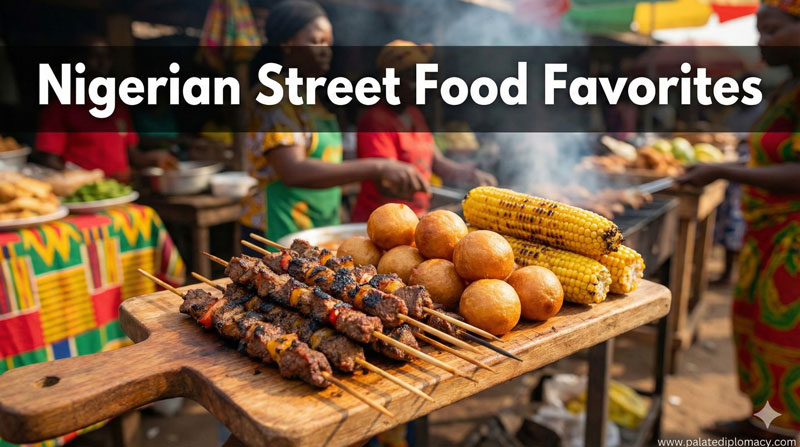
Roasted corn is a bright, comforting snack that can stand on its own. When corn is roasted, the sugars caramelize. The kernels puff a little, then crackle under the teeth. The result is a balance of sweetness and smoke. This contrast delights the palate. The dish invites a pause, a moment to enjoy the now. In Nigerian markets and streets, the sight of corn on the grill sparks conversation. It is approachable for people of all ages and backgrounds.
Techniques and the craft of fire
The Heart of roasted corn lies in the flame. Charcoal or wood heat brings out depth and aroma. Vendors and home cooks alike move the corn with care. They rotate it for even browning and a gentle blister. A touch of oil or butter adds gloss and helps seasonings cling. Simple salt, pepper, or a splash of lime accents the corn without overpowering it. The technique is accessible, and that accessibility helps the dish travel from street corners to family tables.
Cultural value: sharing and presence
Roasted corn shines in social moments. It appears at markets, fairs, and small gatherings. Friends come together to watch the corn cook, swap stories, and savor the aroma. Sharing a skewer or a plate of corn strengthens a sense of community. The dish is a quiet celebration of everyday life. It teaches patience, as neighbors wait their turn and savor each bite.
Regional expressions and flavor notes
Across Nigeria, cooks season roasted corn with local touches. Some add spicy pepper blends for a gentle kick. Others finish with a squeeze of citrus or a drizzle of nut oil. In coastal areas, a hint of coconut flavor may drift into the air while the corn roasts. In inland towns, citrusy brightness or earthy salt can define the final bite. These regional touches enrich the dish while keeping its essence intact: corn, fire, and friendly sharing.
Pairings and serving ideas
Roasted corn pairs well with simple sidelines. A fresh salad, a bright pepper sauce, or a small cup of cool drink complements the heat. It also works as a snack between meals or as a warm starter at gatherings. The versatility Makes It a dependable option for cooks. The same corn can be enjoyed solo or as part of a larger, joyful spread.
The culinary significance in daily life
Roasted corn embodies practicality and celebration. It shows how a single ingredient can travel from field to flame to table with ease. The dish invites improvisation while honoring tradition. It teaches respect for fire, season, and timing. Most of all, it honors the bite-size rituals that connect people—sharing aroma, passing a plate, exchanging smiles.
Conclusion
In Nigerian cuisine, roasted corn has earned its place through flavor, technique, and the warmth of shared moments. How Roasted Corn Became Popular in Nigerian Cuisine is a story of everyday nourishment becoming cultural treasure. This dish remains inviting, respectful, and deeply rooted in the beauty of communal eating. Enjoy it with friends, and let the simple charm of corn on the grill brighten your table.