
How Roasted Corn Became Popular in Nigerian Cuisine
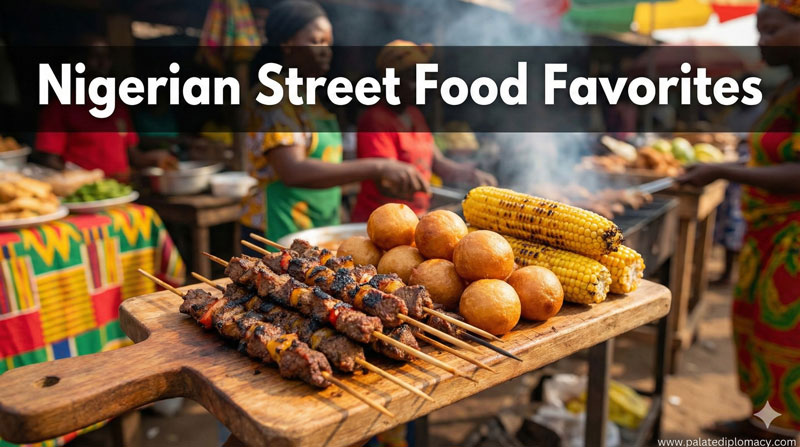
Roasted corn has a bright presence in Nigerian cuisine today. It feels Like a warm welcome on a busy street and a comforting bite at a family table. The dish celebrates abundance, simplicity, and shared moments. Its rise in popularity speaks to how a humble ear of maize can become a beloved cultural touchstone.
The grain at the heart of the story
Maize finds a home in many Nigerian communities. It appears in markets, farms, and kitchens with equal ease. When ears are roasted, the kernels turn glossy and sweet, and their aroma travels far. This snack travels well from morning to evening, from roadside stalls to living rooms. In that journey, maize becomes more than food; it becomes a familiar sign of nourishment and care.
The roasting craft that brings out character
Vendors light charcoal and coax a gentle flame to life. Next, they place ears over the embers, turning them slowly for even color and sweetness. A light coat of oil or butter adds gloss and helps seasonings cling. Then comes salt, pepper, or a simple pepper blend to wake the palate. The crackle of the skin and the hiss of steam invite you to pause and enjoy. People often wrap the hot corn in foil or eat it directly from the cob, savoring each bite. This craft is approachable, and that accessibility helps roasted corn spread across towns and neighborhoods.
A sensorial experience that travels well
The first bite carries a smoky fragrance and a hint of sweetness. The texture balances a crisp exterior with juicy, tender kernels inside. Salt brightens the corn, while pepper adds a friendly kick. Some enjoy a squeeze of lime for brightness, others prefer a dab of butter for richness. The flavors evolve with time, revealing new nuances as people share the corn with friends and family. This evolving sensory experience helps roasted corn linger in memory long after the bite.
Social and cultural roles in daily life
Roasted corn appears at bustling markets, quiet street corners, and festive gatherings. It marks routine moments, such as a break during work or a walk with a neighbor. Families often pass the cob between generations, sharing stories as they share food. In many communities, a plate of roasted corn accompanies drinks and light snacks, inviting conversation and connection. The dish also shows up at celebrations and harvest-time events, where communities come together to enjoy simple, flavorful food. In these settings, roasted corn becomes a common language that brings people closer.
Modern twists that honor a timeless snack
Cooks experiment with toppings while keeping the core experience intact. Some add a touch of chili, garlic, or lime zest for extra zing. Others finish with a sprinkle of crushed peanuts or a drizzle of palm oil for depth. You may see roasted corn served on a tiny skewer or folded into a small, convenient cup for easy sharing. These adaptations preserve the dish’s accessibility and social spirit, while expanding its flavor palette. The result is a versatile snack that remains unmistakably Nigerian in character.
Preserving the beauty of a shared delight
Ultimately, roasted corn holds a special place because it is simple yet expressive. It honors farmers, vendors, and cooks who keep the flame kindling across many towns. It invites people to slow down, to notice aroma and texture, and to enjoy a moment of companionship. As a cultural staple, it teaches that great food often comes from humble beginnings and generous hands. This is the beauty of roasted corn: a everyday treasure that feels both familiar and fresh, rooted in Nigerian life and open to new possibilities.