
Introduction
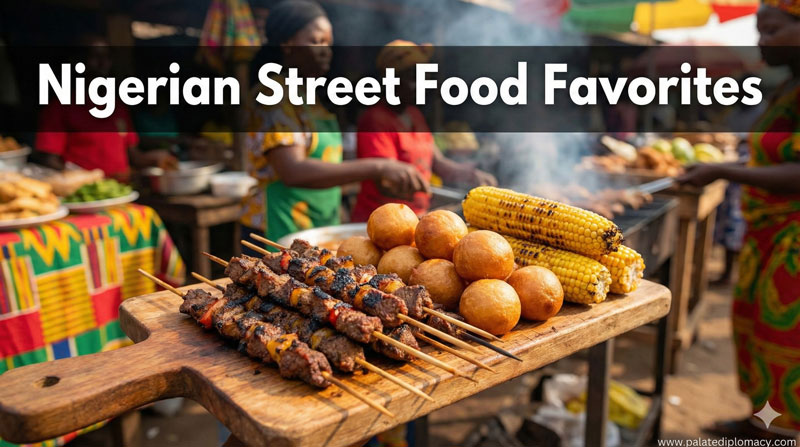
Roasted corn is a bright and comforting presence in Nigerian Food Culture. This post tells The Story of how simple, sun-kissed kernels rose from farmers’ fields to become a beloved snack and a versatile ingredient. The focus is on cultural value and culinary significance—how the dish brings people together, how its flavors speak to regional tastes, and how cooks transform it in homes and markets. If you listen closely at a busy market or a quiet street corner, you can hear the satisfying crack of kernels and the soft murmur of conversations that turn a treat into a shared moment.
From Field to Flame: The Seed of a Snack
Maize has long fed families across many parts of Nigeria. When the harvest brings an abundance, vendors turn to roasting as a way to celebrate the bounty. The method is delightfully simple: kernel by kernel, the corn meets heat, the sugars caramelize, and a gentle smokiness rises from the grill. The result is a snack with instant appeal—sweet, savory, and comforting all at once. Its popularity grows because it fits into daily life: a quick bite between chores, a warm spread at a family gathering, or a tasty companion to a cool drink on a hot afternoon.
Roasting Craft: How the Flame Shapes Flavor
Roasting corn is both a craft and a cue to taste. The fire can be a charcoal grill, a clay oven, or a simple home skillet, but the effect is the same: the surface darkens into a light crust while the inside stays tender. As kernels blister, they release a gentle aroma that signals good company nearby. People often tailor the experience with a few touches:
- A pinch of salt to heighten sweetness.
- A squeeze of lime or lemon for brightness.
- A dusting of ground pepper or chili for warmth.
- A drizzle of palm oil or a pat of butter to enrich the mouthfeel.
- Optional spice blends like yaji (suya spice) for a hint of heat.
This flexibility lets roasted corn become a stage for personal taste, family tradition, and regional preference, all while preserving the core pleasure of the corn itself.
The Social Rhythm: Markets, Meetings, and Milestones
In many communities, roasted corn is more than a snack; it is a social thread. Vendors gather in busy streets, at markets, near bus stops, and beside stadiums, offering a quick, friendly bite as life moves along. Children learn the taste and rhythm of their neighborhoods by sharing roasted corn with siblings and neighbors. Families enjoy it during quiet weekend moments or after community events. In these settings, the dish acts as a familiar bridge—easy to share, easy to love, and easy to prepare in many small kitchens.
The appeal also shines at celebrations and informal gatherings. A plate of roasted corn can accompany light meals, serve as a dessert-like treat after a hearty stew, or stand alone with a refreshing drink on a warm day. Its simplicity invites conversation, and its aroma invites a crowd. In this way, roasted corn becomes a quiet symbol of everyday joy and togetherness.
Flavor as a Language: Culinary Significance
The taste profile of roasted corn celebrates balance. The natural sweetness of the kernels meets the smoky aroma from the flame, while salt and citrus notes lift the flavors without overpowering them. The texture—a contrast between a slightly charred skin and a soft, juicy interior—offers a tactile pleasure that keeps people coming back for more.
Culinary significance also lies in adaptability. Chefs and home cooks can weave roasted corn into more complex dishes or keep it as a simple stand-alone treat. It can accompany stews and soups, enrich a salad, or serve as the bright element in a platter of finger foods. The dish rewards experimentation while honoring a core, comforting taste. In many kitchens, roasted corn becomes a canvas on which cooks paint regional seasonings, local oils, and personal preferences.
Regional Variations: Tastes Across Nigeria
Across regions, you’ll find subtle differences that enrich the dish without changing its essence:
- Coastal and southern towns often pair roasted corn with a touch of palm oil, lime, and pepper, creating a bright, zesty bite that complements the area’s seafood dishes and stews.
- Central and northern markets may favor a cleaner profile—salt and a squeeze of citrus—letting the corn’s natural sweetness lead the plate.
- Some vendors blend a gentle kick of heat using traditional spice blends, or finish the kernels with a light dusting of crushed chili for those who prefer more warmth.
Toppings and accompaniments also vary. The simplest version remains wonderfully satisfying, but additions such as chopped onions, fresh herbs, or a light butter glaze can elevate the experience. The beauty lies in listening to the local palate and honoring it with a respectful, flavorful touch.
Modern Expressions: Roasted Corn in Today’s Nigerian Cuisine
Today, roasted corn makes a welcoming appearance in more contemporary kitchens as well. Chefs incorporate it into vibrant salads, where kernels add color and texture; into street-style bowls that mix grains, vegetables, and protein; and as a bright garnish for soups and stews. Home cooks may fold roasted corn into relishes, salsas, or spreads, creating new ways to enjoy the familiar flavors.
Yet even as new ideas emerge, The Heart of the dish remains: it is a shared, comforting food that travels easily from market stall to table. The moment when a warm, glossy kernel is offered across the plate continues to symbolize generosity and hospitality. In this way, roasted corn remains a bridge between tradition and invention, always rooted in community.
A Simple Celebration of Shared Flavor
Roasted corn is a reminder that some of the best foods are also the simplest. The dish honors the land, the sun, and the people who cook and share. It invites a pause in the day—a moment to savor sweetness, to notice the aroma, and to smile with friends and family. Its cultural value lies in how it fosters connection, how it invites conversation, and how it quietly honors everyday life.
Conclusion
How did roasted corn become popular in Nigerian cuisine? Through a steady, joyful process of growth: from field to flame, from market to table, from individual taste to communal tradition. It is a dish that welcomes everyone, adapts with care, and remains true to its core—the bright charm of corn, enhanced by fire and friendship. Whether enjoyed as a quick street bite or as a featured component in a modern plate, roasted corn stands as a warm, enduring testament to the beauty of Nigerian food culture.