
Introduction
How Roasted Corn Reflects Nigerian Food Culture invites readers to taste more than a simple snack. It offers a window into how communities grow, share, and celebrate flavor. This dish shines with warmth, aroma, and a sense of belonging. By looking at the roasting, the serving style, and the moments around it, we can see the cultural threads that weave Nigerian food together. The focus here is on value, craft, and everyday beauty.
The Sensory Promise of Roasted Corn
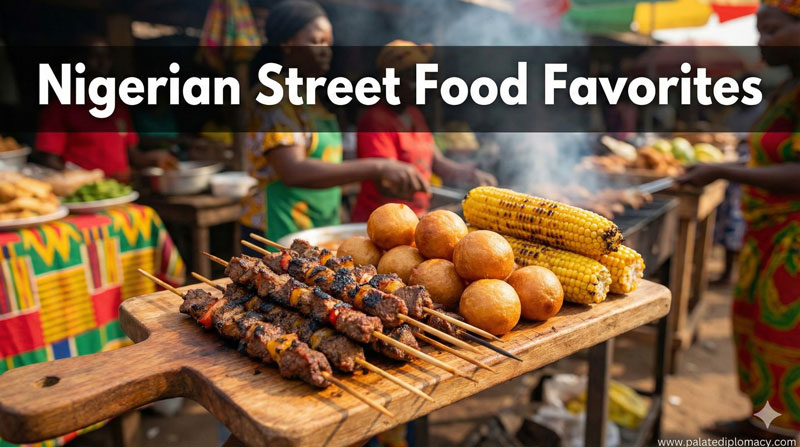
Roasted corn delights the senses before the first bite. The kernels glow with a gentle char and a peppery aroma rises from the fire. The sound of kernels crackling and the soft hiss of the flame create a welcoming mood. A light sprinkle of salt, a squeeze of lime, or a hint of spice heightens the flavor. This sensory combination is not just tasty; it signals hospitality and care. The simple act of sharing a cob becomes a shared moment of comfort and joy.
The Craft Behind the Kernel
The craft of roasting corn is accessible, practiced, and adaptable. Vendors typically grill cobs over open charcoal or a small fire, turning them so every side receives even heat. The process is quick, careful, and efficient, designed to preserve sweetness while adding depth from the smoke. Seasonings are often straightforward: salt, a dab of butter, a squeeze of citrus, or a touch of chili pepper. This minimalism lets the corn speak for itself and invites personal touches from cook to customer. The technique honors tradition while welcoming individual preferences, making each vendor’s corn quietly unique.
Cultural Value in Nigerian Food Culture
Roasted corn sits at the crossroads of practicality and pleasure. Maize is a beloved staple in many Nigerian meals, and roasting makes the grain portable and shareable. The dish travels easily from market stalls to family gatherings, from school breaks to festival corners. Its accessibility creates opportunities for intergenerational exchanges—children learn patience by watching the corn soften on the fire; elders share stories as they Taste the smoky sweetness. In this way, roasted corn becomes more than nourishment; it becomes a ritual of daily life that audiences of all ages can enjoy together.
The social fabric around roasted corn is generous. Friends, neighbors, and strangers gather in queues or under shade to wait their turn. A vendor’s call—friendly and inviting—draws people close and invites conversation. The act of buying and eating the corn becomes a tiny, shared ceremony that reinforces community ties. This feature—food that brings people together—lies at the heart of Nigerian food culture. It shows how a simple roasted cob can reflect a community’s warmth, generosity, and collaborative spirit.
Regional Variations and Techniques
Different regions add subtle twists that honor local tastes while keeping the core experience intact. In some areas, herbs or groundnuts are offered as optional toppings. In others, lime and chili pepper carry a bright, zesty finish. The texture may vary from a slightly husked, hand-torn finish to a fully polished, smooth surface. These variations celebrate local flora and preferences while preserving the shared joy of roasting and savoring corn. The result is a tapestry of small differences that together tell a larger story about Nigerian cooking, resourcefulness, and pride in regional flavors.
Food as a Social Moment
Beyond taste, roasted corn creates meaningful moments. A roadside stall becomes a small gathering place where people pause, smile, and exchange greetings. Children learn patience as they watch the kernels roast, then eagerly taste the warm sweetness. Friends catch up, plans are sketched, and a simple snack becomes a bridge between days. This social value is a quiet but powerful element of Nigerian food culture. It shows how food can nurture harmony, conversation, and shared memory.
Pairings and Flavor Harmony
Roasted corn pairs well with beverages and accompaniments that highlight its brightness. A cool fruit juice or a refreshing palm drink complements the heat and smoke. A sprinkle of roasted groundnut powder adds a nutty depth. A squeeze of fresh lime brightens the corn’s natural sweetness. These pairings are uncomplicated, yet they enhance the overall experience. The result is a balanced, satisfying bite that respects the corn’s character and the moment’s mood.
Conclusion
How Roasted Corn Reflects Nigerian Food Culture celebrates more than flavor. It honors the simplicity that brings people together, the skill that elevates everyday ingredients, and the regional voices that color a shared tradition. This dish shows how a humble cob, roasted to perfection, can embody warmth, community, and culinary pride. In every bite, there is a story of Nigerian hospitality and the enduring beauty of food that is made to be shared.
If you are new to Nigerian flavors, start with a stall you trust. Notice how the vendor’s rhythm, the fire’s glow, and the corn’s aroma invite curiosity. Then take a small bite, savor the smoke, and listen to the moment. Roasted corn is more than a snack; it is a gentle invitation into a vibrant food culture that welcomes everyone to the table.