
What is Rosół?
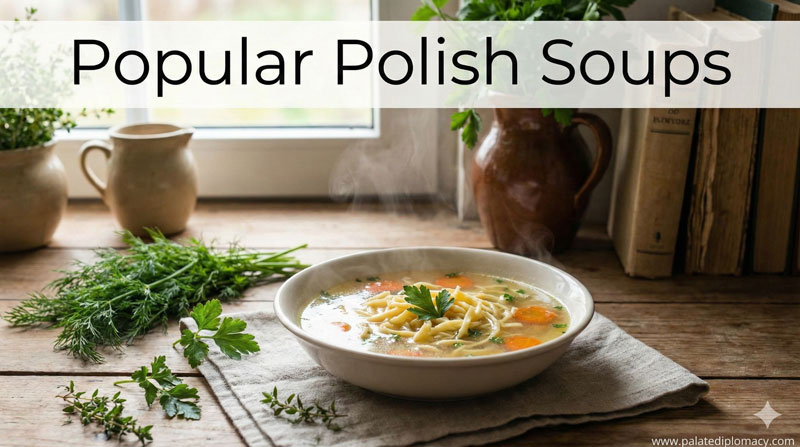
Rosół is a cherished Polish chicken soup, quietly proud in its simplicity. Its clarity and warmth invite a sense of welcome to the table. The broth carries a gentle sweetness from vegetables and a clean savor from the chicken. In many Polish homes, Rosół becomes a signature of hospitality and care. The dish speaks through small, thoughtful details—the slow simmer, the steady skim, the soft curls of noodles, and the bright notes of parsley and lemon.
A Ritual of Craft and Patience
The heart of Rosół lies in patient, watchful preparation. You begin with good quality chicken, often a whole bird or parts chosen for tenderness. Simmering unfolds slowly, never hurried. As the pot heats, foam rises; skim it away to keep the broth clear and bright. Aromatics join the scene: onions roasted for sweetness, carrots for warmth, and a whisper of celery or parsnip for depth. Bay leaves or peppercorns add quiet character, but the goal remains restraint. The result is a broth that feels lucid and comforting at the same time. This careful craft becomes a shared activity, a chance for hands of all ages to learn by watching and doing.
The Heart of the Table
Rosół gathers family and friends around the table. It is more than nourishment; it is a moment to slow down and connect. A hot bowl is handed from one person to the next, and the steam becomes a bridge between generations. The dish sets a mood of calm and generosity, inviting conversation and laughter. In many households, the act of serving Rosół is almost ceremonial: bowls are passed, noodles are added, parsley is sprinkled, and the aroma rises to meet the nose before the taste. Each spoonful carries memory and care, a small piece of homeland in a warm, fragrant bowl.
Regional Touches and Home Variations
Polish households offer gentle variations that reflect local tastes and Family Traditions. Some plan for extra clarity, using a longer simmer and a meticulous skim. Others savor a richer, slightly more peppery note from a touch of herb or a squeeze of lemon. Noodles play a central role; egg noodles known as kluski are a classic partner, absorbing the broth’s gentle flavor while staying tender. Some families finish the dish with fresh dill or chopped parsley for a bright lift. These nuances reveal how Rosół travels from kitchen to kitchen, maintaining its core identity while embracing personal style.
Serving Traditions: Noodles, Garnish, and Aroma
Serving Rosół is an invitation to savor aroma and texture. Ladle the clear broth first, then add a small portion of warm kluski. A handful of fresh herbs lends color and fragrance, while a light squeeze of lemon adds sparkle without overpowering the soup’s comfort. The key is balance: heat, clarity, and a soft chew from the noodles. This harmony makes Rosół feel soothing yet vibrant, a dish that can soothe a tired day or lift a celebratory moment.
Passing Down a Taste: Generations and Techniques
Many families pass Rosół down as a living tradition. Children learn to observe the simmer, to judge when the broth shines, and to respect the patience the dish requires. Grandparents often share tips about selecting a chicken with a particular balance of meat and skin, or about when to add onions for the best caramel sweetness. In this way, Rosół becomes a thread linking generations, a culinary memory that travels through stories, upgrades, and careful practice. The recipe itself evolves with time, yet the essence remains: a dish that honors home, family, and the simple joy of sharing hot, comforting soup.
A Dish of Warmth and Identity
Rosół holds a quiet spot in Polish culinary culture. It embodies the values of hospitality, care, and togetherness. The dish celebrates the beauty in simple ingredients transformed by patience and attention. When you taste Rosół, you taste more than nourishment—you taste a connection to family, seasons, and everyday rituals that give cooking its lasting meaning. This is the cultural value of Rosół: a traditional Polish recipe that brings people together, invites conversation, and offers a gentle, enduring sense of belonging.
Ways to Recreate Rosół at Home
If you want to bring this tradition into your kitchen, start with a clear plan. Choose good chicken and fresh vegetables. Simmer slowly, skim diligently, and avoid overpowering spices. Use kluski or your preferred egg noodles, warmed just before serving. Finish with a light herb garnish and a touch of lemon if you like. Share the moment with someone you care about, and let the broth’s warmth carry the meal. Rosół is a simple recipe with a timeless place in food culture, ready to welcome new memories into old flavors.