
Introduction
Rosół, a clear chicken soup, stands as a quiet celebration of home cooking in Polish kitchens. It carries the rhythms of daily life and the warmth of generous hospitality. This dish invites family members to slow down, to share time around the table, and to savor a broth that honors simple, honest ingredients. In this post, we explore its cultural value and culinary significance, focusing on how it nourishes both body and community.
A dish tied to memory and gathering
Rosół is more than a recipe; it is a ritual of togetherness. Families gather to prepare the broth, watch the gentle bubble, and wait as aromas rise through the house. The scene is one of care: skimming foam to keep the broth clear, patiently simmering, then tasting together. This shared process makes Rosół a bridge between generations, as stories and tips travel from grandmother to grandchild with every ladle.
Core ingredients and the craft of clarity
The heart of Rosół is a plain, well-sourced bird with a slow, steady simmer. Onion, carrot, and celery add sweetness and depth. Bay leaves and peppercorns lend quiet aroma. The method emphasizes calm, precise technique: remove impurities early, keep the heat gentle, and allow the flavors to bloom overnight in a clear broth. The result is a soup that glows in the bowl and feels light on the palate yet deeply satisfying.
Serving as a cherished ritual
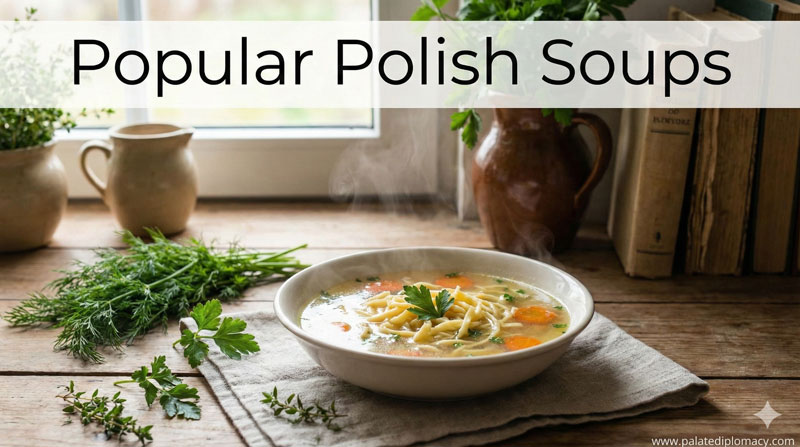
Rosół is typically served hot, with a generous bowl of noodles such as kluski or fine egg noodles. Fresh parsley greens brighten the color and fragrance. Some families add a lemon wedge to lift the palate, while others rely on the bright notes of the herbs. The act of serving reinforces hospitality: the host presents steaming bowls, and everyone forks the noodles, then sips the broth first, savoring clarity and warmth before the meal progresses.
Variations that honor personal family styles
Across households, Rosół shows respectful variation. Some cooks prefer a single, simple chicken base, while others add more bones for richness. The choice of noodles can change the texture of the dish, from slender strands to wider rounds. Root vegetables may appear in the pot on cooler days, subtly shaping the flavor. Yet the essential spirit remains: a clear, comforting broth shared with loved ones.
A touchstone of Sundays and everyday moments
Many Polish Families welcome Rosół as a comforting centerpiece for Sundays and special gatherings, but it also fits everyday moments of care. It signals welcome to guests and marks the turn of the week with a gentle ritual. This flexibility—to be a simple everyday soup or a feeling-filled centerpiece—highlights its enduring place in food culture.
Sensory memory and cultural value
The aroma of simmering herbs, the gleam of a clear broth, and the soft texture of noodles all contribute to Rosół’s lasting appeal. The dish creates a sensory memory: warmth at the table, quiet conversations, and the satisfaction of wholesome, well-made food. This memory helps bind family identity to a shared care for cooking and serving.
Practical guidance for savoring Rosół
To honor the dish, start with a good stock and a respectful simmer. Choose fresh poultry, keep the heat gentle, and skim as needed for clarity. Serve promptly with noodles and herbs, but allow enough time for the broth to develop its gentle sweetness. If you wish to adapt, small touches—Like a sprinkle of chopped parsley or a light squeeze of lemon—can brighten the cup without altering the character of the broth.
Conclusion: Rosół as a living tradition
Rosół embodies hospitality, patience, and care. It links the present table to the quiet rituals that have warmed Polish homes for generations. By honoring the ingredients, the technique, and the shared experience around the table, this dish remains a beloved part of the culture. It invites everyone to participate, to listen to the simmer, and to savor a comforting, clear broth that nourishes both body and heart.