
Rosół: A Window into Polish Home Cooking
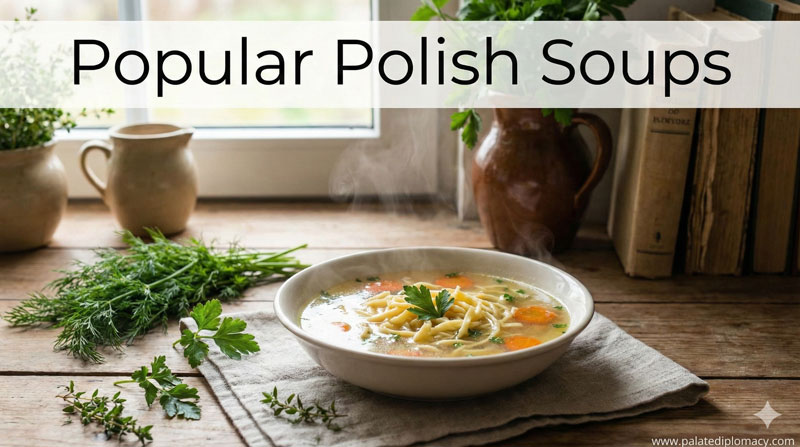
Rosół is more than a soup. It is a quiet ceremony of food and family. In many Polish homes, a pot of Rosół fills the kitchen with a gentle, inviting aroma. The broth glows a clear, pale amber, inviting slow, mindful tasting. The dish speaks softly of patience, care, and shared meals. People often describe Rosół as nourishment that tastes like home. Its beauty lies in simplicity: good ingredients, careful simmering, and a sense of togetherness around the table.
A Cultural Anchor at the Table
Rosół anchors the family around the table. It brings generations together for a meal that feels comforting and familiar. The act of serving Rosół becomes a small ritual: the broth first, then the tender meat, then the noodles. Conversation flows in the warmth of the kitchen, aided by the steam that rises from the bowls. This dish rewards calm presence and attentive sharing. In that moment, taste becomes memory, and memory becomes a bridge between kin and neighbors.
Crafting the Broth: Selection and Simmering
The broth starts with chicken or with a combination of bones for depth. The goal is a clear, shimmering liquid, not a heavy or cloudy soup. One waits for the foam to rise and then to gently skim it away. Vegetables join the pot: a carrot, a celery stalk, and sometimes a parsley root. An onion, lightly charred, perfumes the broth with a warm sweetness. A few peppercorns and a bay leaf add gentle spice. The herbs finish the pot: a handful of fresh parsley and a sprig or two of dill. Salt comes in gradually, tasting as it builds clear flavor. The key is a steady simmer, low heat, and patience. The result is a broth that carries aroma without excess heaviness.
The Noodles and Garnishes: Completing the Dish
Rosół shines when it is paired with the right accompaniment. Egg noodles, or small kluski, slip softly into the warm broth. The noodles soak up the flavor and soften the texture of the dish. A slice of tender meat accompanies each serving, often from the same chicken used for the broth. Fresh herbs—flat-leaf parsley, dill, or chives—finish the bowls with a bright green touch. A squeeze of lemon is optional, but many prefer the clean bite of the broth itself. The balance between clear broth, soft noodles, and tender meat creates a graceful, comforting experience.
Regional Touches and Seasonal Flavor
Across Poland, small differences tint Rosół with regional personality. Some kitchens emphasize a slightly richer broth by using a larger mix of bones. Others favor a leaner, lighter version that is served with delicate noodles. Fresh herbs shift with the season: dill in spring, parsley in summer, a touch of marjoram or bay leaf in fall. Root vegetables influence color and sweetness, while the method stays true to gentle heat and careful skimming. These variations celebrate local farms, family tastes, and the beauty of a shared recipe passed down with care.
Serving Rosół: Hospitality and Etiquette
Hospitality surrounds Rosół. The server places warm bowls at the table and offers the first taste to guests as a gesture of welcome. The broth is sipped slowly, allowing its clarity and perfume to shine. Meat follows, then noodles, so each bite moves from light to fuller texture. Bread on the side offers a simple companion, perfect for mopping up a last, flavorful drop. Clear bowls, soft light, and calm conversation create the atmosphere that makes Rosół feel special. The result is a dining moment that honors guests and family alike.
Rosół in Modern Homes
Today, Rosół appears in many Polish homes with equal grace. In busy weeks, it can be a quick, comforting ritual that brings calm after a long day. In quieter weekends, families gather around a larger pot, savoring the aroma as it fills the room. Some cooks use store-bought broth as a base, then enrich it with fresh aromatics and a careful simmer. Others keep the tradition pure, cooking from scratch with bones and slow patience. Either way, the dish remains a bridge between everyday life and a cherished culinary heritage.
A Dish of Memory, Flavor, and Community
Rosół carries memory in its steam. Each family adds small touches—an extra herb, a longer simmer, a preferred noodle type—that mark the dish as distinctly theirs. The flavor is simple, but its impact is lasting. Sharing Rosół allows people to slow down, notice color and scent, and celebrate togetherness. The beauty lies not just in taste, but in the sense of belonging that comes with a shared pot and a shared meal.
Nourishing Traditions: Pairings and Leftover Moments
Leftovers tell more stories. A piece of meat can become a cold lunch or a light salad topping. The broth makes a gentle starter for the next day’s meals or can become a base for a new soup with fresh vegetables. The noodle threads can be reheated with a splash of broth and a touch of fresh herbs. These small continuities extend the dish’s life and reinforce the feeling that Rosół is a living tradition—always there, always welcoming.
Closing: Rosół as a Living Tradition
Rosół stands as a graceful expression of Polish culinary culture. It embodies clarity, care, and communal joy. Through its simple ingredients and patient technique, it honors the joy of sharing a nourishing meal. The dish invites us to savor the moment, welcome guests, and celebrate the family table. In this way, Rosół remains not only a soup but a meaningful window into the warmth and beauty of Polish food culture.