
How Rosół Became a Must-Try Dish in Poland
Rosół is more than a soup. It is a slow, comforting ritual that invites people to gather around a warm pot and share a moment of calm. In Poland, rosół has earned a prized place on the table. It appears at Sunday lunches, during family reunions, and in cozy eateries that celebrate home cooking. Its simple ingredients and patient technique create a broth that tastes like memory and welcome. This is how rosół grew into a must-try dish in Polish food culture.
What makes rosół special
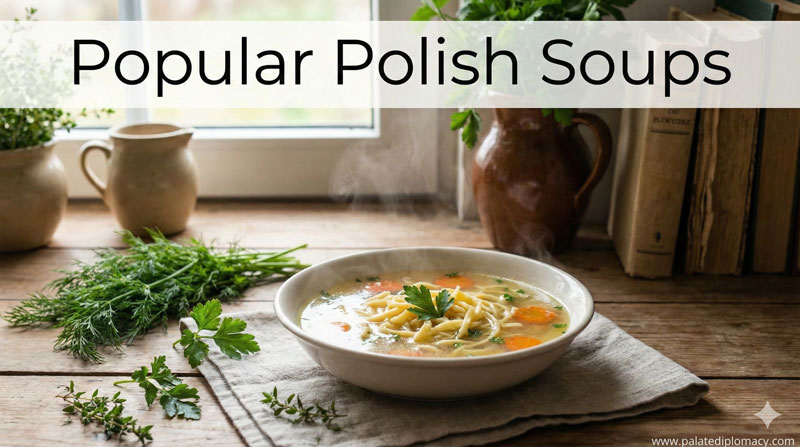
Rosół stands out for its clarity, aroma, and gentle flavor. The broth breathes with a light sweetness from long simmering bones and vegetables. A clear, golden liquid carries a delicate chicken scent that feels inviting and timeless. The dish is not flashy; it is honest and nourishing.
The texture is equally memorable. The broth feels rich without heaviness, and the noodles or dull, flat pasta strands soak up the essence of the stock. A few tender slices of chicken find their place in the bowl, alongside fresh herbs. The combination—clear broth, soft noodles, and tender meat—creates a comforting harmony that Polish cooks return to again and again.
Over time, rosół has become a symbol of hospitality. A pot on the stove signals welcome. It says, “Come in, stay a while, let us share warmth and talk.” That feeling matters as much as the taste. The dish embodies generosity, patience, and the joy of a shared meal.
The craft of making rosół
Good rosół begins with thoughtful ingredients and careful technique. Start with quality chicken and, if possible, a mix of bones and meat. Rinse them and cover with cold water. Bring to a gentle simmer, and skim away foam as it rises. This keeps the broth clear and bright.
Add aromatics with balance. Classic versions use onion, carrots, and celery. Some cooks char the onion first to deepen sweetness and color. Bay leaves and whole peppercorns lend gentle warmth. A few parsley stems or a sprig of dill can brighten the finish. The key is patience: a slow simmer allows flavors to unfold without becoming heavy. Many kitchens simmer the stock for several hours, watching and tasting along the way.
Straining is the moment of clarity. Remove the solids and allow the broth to settle. Some cooks refrigerate briefly to separate fat, then skim it away. The result is a pristine liquid that shines with its own lightness. Finally, reheat and season to taste. Serve with tender noodles, such as flat egg pasta or classic kluski, and a generous handful of fresh parsley or dill.
Regional touches can appear, yet the heart stays the same: a broth that glows with quiet competence and care. The craft is a dialogue between patient heat, clear water, and the simple beauty of well-chosen ingredients.
Serving traditions and table presence
Serving rosół is a moment of connection. The broth is typically poured into warm bowls, one for each guest, inviting conversation as steam rises. Noodles go in first, followed by a ladle of the clear broth and slices of soft chicken. A pinch of chopped parsley or dill adds color and aroma.
The ritual invites inclusive sharing. In many homes, rosół is the first course of a longer meal, signaling that the table is open and the moment is special. It is a dish that welcomes guests, young and old alike. The gentle aroma travels through the room, drawing people toward the table and toward one another.
Rosół pairs well with simple accompaniments. A slice of crusty bread can accompany the meal, or a light cucumber salad can refresh the palate between bites. The emphasis remains on balance: a warm, clear broth, a soft noodle, and a small, tasteful garnish. The experience is peaceful and inviting, encouraging slow savoring and conversation.
Rosół in modern Polish culture
Today, rosół sits proudly on the menus of family-owned bistros and modern Polish kitchens alike. It appears in contemporary cookbooks and on food blogs, shared by home cooks who want to honor tradition while keeping steps clear and approachable. The dish travels well into the realm of food experiences that celebrate comfort, craftsmanship, and care.
Even as chefs experiment with technique and texture, the essence of rosół stays intact. The broth remains the star: transparent, fragrant, and soothing. This consistency helps rosół cross generations and connect with people who may be tasting it for the first time. The result is a dish that feels both familiar and fresh—a reliable bridge between old and new Polish dining.
Regional twists and modern variations
While the traditional form remains central, regional accents enrich The Story of rosół. Some cooks use different vegetables for subtle variations in sweetness and aroma. Others experiment with herbs to highlight local garden flavors. A hint of lemon zest can brighten the finish in some kitchens, while others keep the pure, classic profile intact.
You may also encounter rosół served with alternative noodles or ribbons of pasta to suit seasonal preferences. In many places, the dish adapts to the moment—still clear, still comforting, and still deeply rooted in Polish culinary sensibilities. The flexibility of rosół’s presentation has helped it persist as a beloved staple, year after year.
Why rosół feels like home
Rosół speaks to a shared sense of welcome, care, and family. Its preparation is a quiet art that invites patience, attentiveness, and a respect for time. Each step—selecting ingredients, simmering gently, skimming, straining, and serving with care—builds a familiar rhythm that many Polish households recognize.
The dish also honors a connection to the land and seasonal cooking. The ingredients are ordinary, yet their combination becomes something greater than the sum of its parts. The broth carries a memory of kitchens past while inviting new tastes and moments of togetherness. In this way, rosół remains a touchstone of Polish food culture—a must-try for its warmth, its craft, and its generous spirit.
If you have the chance to taste rosół, take a moment to notice its clarity, its gentle fragrance, and how the noodles soak in the broth. Observe how it brings people together around the same table. Celebrate the care that went into each broth and bowl. In embracing rosół, you enter a flavorful tradition that welcomes everyone to slow down, savor the moment, and enjoy the beauty of Polish culinary culture.