
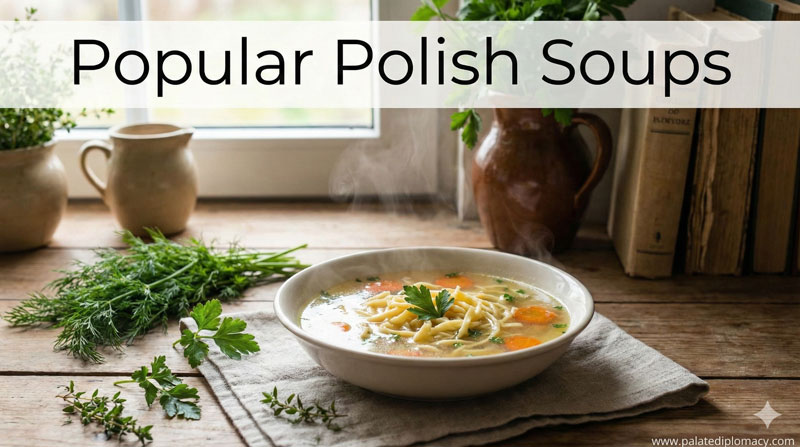
How Rosół Became a Must-Try Dish in Poland
This post introduces the dish and its journey into the heart of Polish food culture. It is a story of warmth, patience, and shared meals. Rosół, a clear chicken broth with noodles, has earned its place as a must-try for both visitors and locals. Its appeal lies in the gentleness of its flavor and the care it conveys at the table. This piece explores its cultural value and culinary significance, without shifting into politics or distant topics.
The essence and craft of Rosół
Rosół is simple in form, but precise in technique. A clean, well-raised chicken anchors the flavor, and the simmering process unfolds the broth with clarity. First, you prepare the chicken and a handful of vegetables. Onion, carrot, and celery become the backbone, while peppercorns and a bay leaf offer a quiet, fragrant lift. The goal is a broth that glows light amber and tastes of the chicken’s sweetness and honesty.
Next, you simmer slowly. Gentle heat, steady minutes, and a careful skim keep the liquid clear. The cooking time matters: a long, patient simmer unlocks depth without clouding the broth. Finally, you finish with fresh herbs or a splash of parsley. The noodles—usually egg noodles or small kluski—are added just before serving, ensuring they embrace the broth without soaking up too much stock. The result is a bowl that feels Like a calm morning and a comforting hug at once.
A dish of the table, not just the kitchen
Rosół belongs to the table long before it reaches the plate. It appears at Sunday meals, family gatherings, and quiet evenings when someone needs a gentle uplift. The ritual around serving is as meaningful as the recipe itself. A clear bowl, steaming with a pale gold halo, invites a slower pace. The aroma rises first, inviting conversation and sharing. A sprinkle of chopped parsley or dill adds brightness, linking the dish to the freshness of the garden.
in Polish households, Rosół becomes a conversation starter. The broth is often viewed as more than nourishment; it is a way to sparkle a moment of togetherness. The soft clinking of spoons, the rustle of a napkin, and the warm breath of the kitchen all contribute to the experience. This is not just eating; it is a small ceremony of care and hospitality.
Regional voices and their gentle twists
Across Poland, Rosół carries regional warmth, with tiny variations that feel like local dialects in a shared language. In some homes, the chicken is pre-roasted to deepen aroma, while others prefer a lighter, straighter stock. The choice of herbs can shift the bouquet—parsley root and fresh parsley for earthiness, or a hint of dill for a brighter finish. The noodles also vary: some households favor wide egg noodles; others choose slender strands that swirl gracefully in the clear broth.
Yet the heart remains the same. The broth must be clear, the chicken tender, and the noodles a comforting companion. This constancy helps Rosół cross regional lines while still carrying the personal touch of each kitchen. The result is a dish that feels both familiar and nourishing, a thread that connects generations through shared flavors.
The cultural value of patience and care
Patience underpins Rosół’s significance. The recipe invites time: time to choose good ingredients, time to skim and simmer, time to serve with attention. This mindful approach echoes a broader value in Polish food culture—care expressed through everyday cooking. When family members gather around the stove, the act of preparing Rosół becomes a small ritual of generosity. It is a way to say, “I think of you,” without words.
Rosół also highlights balance. The broth offers a clean, gentle taste that can be enjoyed by all ages. The noodles add comforting heartiness without overpowering the stock. Parsley or dill brings a fresh finish. The result is a dish that nourishes body and spirit, inviting slow, meaningful meals rather than quick bites. In this way, Rosół acts as a bridge between everyday meals and special occasions, a reliable anchor in times when people want to feel connected.
Culinary significance: technique and taste in harmony
Technically, Rosół teaches respect for ingredients and restraint in heat and time. The broth benefits from a calm simmer that prevents cloudiness, while skimming maintains clarity. The choice of chicken quality matters, as does the balance of aromatics. The art lies in allowing each element to contribute its role without overpowering the others.
Taste-wise, Rosół showcases the beauty of a well-made stock. The flavor remains delicate, but the depth and sweetness carry through. A good Rosół does not shout; it speaks softly with layered notes of chicken, vegetables, and herbs. This subtlety makes it versatile for both casual lunches and festive gatherings. The dish shines when plated with a simple side, such as warm bread or a light salad, letting the broth stay the primary star.
Modern life and new echoes
In city kitchens and modern restaurants, Rosół continues to evolve while staying true to its core. Chefs explore cleaner broths, lighter finishes, and refined noodles while preserving the dish’s essence. Home cooks share tips online about skimming techniques, the timing of adding noodles, and how to keep the broth shimmering. Yet the essence remains: Rosół is a dish of patience, warmth, and shared meals. This continuity helps it remain a beloved staple in contemporary Polish dining, even as trends come and go.
A simple invitation to savor
Rosół invites everyone to slow down and savor a moment of care. It is more than a meal; it is a cultural expression of hospitality and well-being. The dish honors tradition while welcoming curiosity. If you visit Poland, you may be invited to a Sunday table where Rosół sits at the center, ready to be enjoyed with one or two dumplings, a slice of bread, and the company of friends or family. In such moments, the dish reveals its quiet strength: clarity of taste, warmth of memory, and a universal sense of home.
Final reflections: why Rosół matters
Rosół’s status as a must-try dish in Poland rests on its harmony of technique, flavor, and social meaning. It teaches patience in cooking and generosity in sharing. It offers a gentle pathway into Polish food culture, where meals become a space for connection and calm. The dish remains inviting and respectful, a celebration of everyday life expressed through careful preparation and mindful tasting.
If you seek a dish that embodies comfort, clarity, and community, Rosół welcomes you. It is a culinary footprint of Polish hospitality—delicate, reliable, and deeply human.