
Introduction
Rosół, often simply called Polish chicken broth, is more than a soup. It is a gentle invitation into Polish kitchen culture. The aroma, the clear broth, and the tender meat invite warmth and conversation. This dish reveals how simple ingredients can become comforting rituals. It shines especially as a celebration of family meals and seasonal cooking.
What is Rosół?
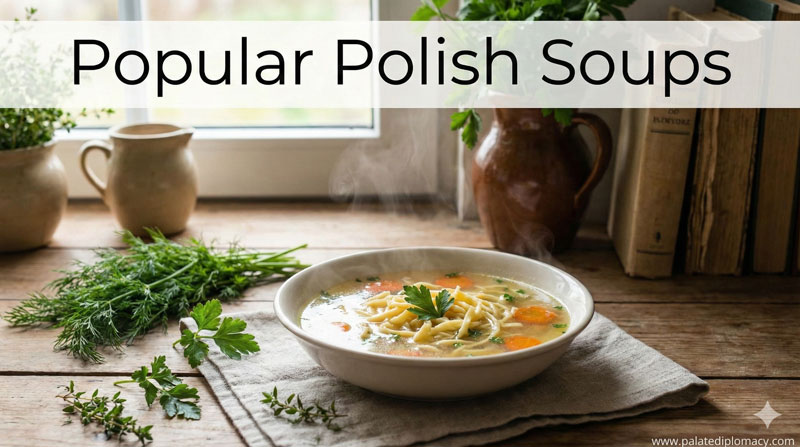
Rosół is a delicate, clear broth built on chicken, water, and a few vegetables. Carrots, parsley root, celery, and onions bring depth. A few peppercorns and a bay leaf add quiet spice. The noodles or small dumplings served with it complete the experience. The process emphasizes patience: simmer slowly, skim the foam, and let time do the work. The result is a broth that tastes clean, bright, and inviting.
Cultural Value of Rosół
Rosół embodies hospitality and care. in Polish homes, a pot of rosół signals “you are welcome here.” It is a keeper of tradition, passed from generation to generation. The dish invites sharing: families gather around the stove, discuss the day, and savor the first course together. Rosół also teaches balance—simple ingredients, attentive technique, and a clear, comforting flavor. It honors everyday life while elevating it, turning a basic broth into a memorable experience.
The Cooking Craft Behind the Broth
Crafting rosół centers on technique and timing. Start with cold water to draw out flavor gradually. Bring to a gentle simmer, then skim the surface to remove impurities. Add vegetables toward the end to keep their color vibrant. Simmer for several hours until the meat is tender and the gelatin gives the broth body. Strain carefully to achieve clarity, then season gently. The result is a broth that feels refined yet unpretentious—perfect for savoring slowly.
Serving, Etiquette, and Shared Moments
Rosół is typically served as the first course. Ladle the clear broth into warm bowls, then add noodles or kluski. A small plate of tender chicken pieces often accompanies the broth. Parsley or a light touch of fresh dill can brighten the surface. The practice invites quiet connection at the table: everyone tastes, nods, and shares a moment of gratitude for good food and companionship.
Variations and Modern Twists
While chicken is most common, families may adapt rosół to suit taste and season. Some add a hint of lemon zest for brightness; others keep to a pristine, minimal broth. Modern kitchens may experiment with different noodle shapes or brief aromatics, but the heart remains the same: a clear, soothing foundation that brings people together.
Rosół as a Lens on Polish Family Life
Rosół reflects everyday care and seasonal rhythm. It appears during gatherings, Sunday meals, and special occasions, always framed by the kitchen’s warmth. The dish offers a gentle doorway into Polish flavors, celebrating patience, clarity, and shared meals. Its enduring appeal lies in how it makes each family member feel seen and welcomed.
Tips for a Perfect Rosół at Home
- Use a whole chicken or bone-in parts to maximize gelatin and depth.
- Start with cold water, then simmer gently; avoid aggressive boiling.
- Skim the foam for a clear broth, especially in the early stages.
- Add vegetables in stages to preserve color and texture.
- Finish with a light salt adjustment after simmering; keep flavors balanced.
- Serve with classic noodles for authentic texture.
Conclusion: A Must-Try Flavor of Polish Cuisine
Rosół stands as a treasured emblem of Polish cooking. It blends simplicity with sophistication, quiet aroma with generous warmth. Trying rosół is a doorway into a welcoming kitchen, a chance to savor a broth that has nourished families for generations. It remains a must-try dish for anyone curious about Polish culinary culture and the beauty of slow, soulful cooking.