
How Rosół Became a Must-Try Dish in Poland
Rosół is more than a soup. It is a window into Polish kitchen life, a quiet celebration of patience, warmth, and simple flavors. When you hear Rosół mentioned, you hear the sound of gentle simmering and the sight of a clear, pale-gold broth warming a table. This dish has earned a place as a must-try for anyone exploring Polish food culture. It invites curiosity, comfort, and a sense of welcome.
The cultural heartbeat of Rosół
In many Polish homes, Rosół is linked to family time and everyday rituals. A pot on the stove becomes a shared space where voices mix with the steam. The aroma travels through the house, making the day feel deliberate and together. Rosół is not rushed; it rewards patient cooks with a broth that holds memory and care. In this way, the dish acts as a cultural thread, connecting generations through small, meaningful moments at the table.
The culinary craft: ingredients and technique
The core of Rosół rests on a few honest ingredients. A chicken, bones for depth, water, and just enough salt to awaken flavor. Slowly, the pot stays gentle, never boiling hard. Skimming off foam keeps the broth clear, a sign of careful technique. Aromatics come into play: onion, carrot, celery, and sometimes a touch of parsnip. Peppercorns and a bay leaf add subtle warmth. A hint of marjoram or fresh parsley often finishes the fragrance. The final act is patience: a long, steady simmer, hours of quiet heat, and then a careful strain to reveal a bright, clean broth. The outcome is a dish that tastes like time itself—clear, comforting, and quietly eloquent.
Regional twists and serving styles
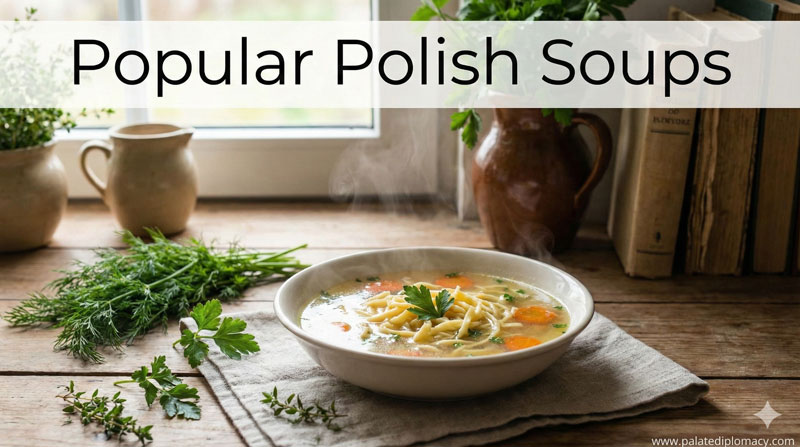
Across Poland, cooks bring small regional differences to Rosół, enriching its character rather than changing its core. Some kitchens favor a slightly more peppery note; others lean toward a softer, sweeter profile. The noodles or dumplings served with Rosół also vary. Egg noodles are common, but many households enjoy small dumplings called kluski or wider strands that soak up the broth’s glow. Parsley is a common finishing touch, brightening the surface just before serving. A slice of fresh horseradish or a squeeze of lemon can appear on the side, offering a bright counterpoint to the soup’s warmth. These variations remind us that Rosół is a living tradition, adaptable to local tastes while staying true to its essence.
The sensory journey: aroma, clarity, and texture
The magic of Rosół lies in its balance. The broth is remarkably clear, Like a mirror of the kitchen’s calm. Its aroma blends chicken richness with herbal brightness, inviting you to take a first, slow breath. When you taste, you’ll notice a smooth, gentle depth. The noodles or dumplings provide texture without overpowering the liquid gold of the broth. Each spoonful carries a sense of nourishment and comfort, a quiet celebration of careful cooking and mindful tasting.
Rosół in modern Poland: a living tradition
Today, Rosół appears in home kitchens, cafe menus, and cooking classes. It is a dish people learn to master and then share with others. In contemporary dining, Rosół often comes with a modern ease—clear broth served with a neat nest of noodles, a light garnish, and an inviting aroma. Yet the core remains intact: slow simmer, clean flavors, and an invitation to gather. The dish travels well beyond family kitchens, turning up in food blogs, market stalls, and small eateries where cooks honor tradition while welcoming new tastes. This continuity keeps Rosół vibrant and accessible to chefs and diners alike.
How to enjoy Rosół: pairing and serving tips
To experience Rosół fully, start with good broth, then add the right accompaniments. Serve hot in a shallow bowl to showcase the color and aroma. Include a small portion of noodles or kluski so the texture complements the broth. For those who like a bright finish, sprinkle chopped fresh parsley just before serving. A light side of horseradish or a lemon wedge can offer a refreshing contrast for curious palates. If you enjoy a savory finish, a pinch of black pepper or a tiny herb garnish can elevate the aroma without overpowering the soup. Rosół pairs well with a simple, crusty bread and a quiet moment to savor the warmth and clarity of the broth.
A symbol of hospitality and shared meals
Rosół embodies hospitality through its very design: a warm pot, a clear bowl, and a table set to welcome. The act of sharing Rosół signals a moment of togetherness. It invites conversation, appreciation for careful cooking, and a slow, comforting pace. As a must-try, Rosół offers visitors a gentle doorway into Polish food culture—an edible story of home, care, and connection, told with warmth and flavor.
Final thoughts: embracing the beauty of Rosół
Rosół is a dish that celebrates simplicity elevated by time and technique. Its appeal lies in how few ingredients can carry so much meaning when prepared with patience and attention. Through its clear broth, inviting aroma, and comforting texture, Rosół reveals the beauty of Polish cooking—an embrace of family, tradition, and everyday nourishment. If you seek a taste of Polish culinary culture, Rosół offers a thoughtful, delicious introduction that welcomes you to slow, savor, and share.