
How Rosół Became a Must-Try Dish in Poland
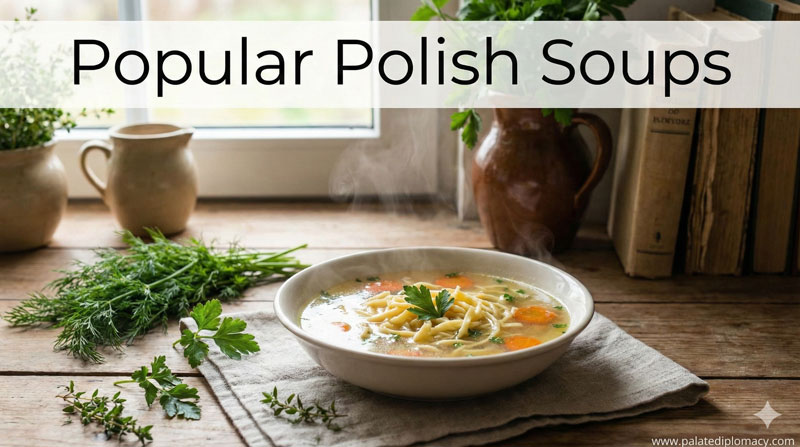
Rosół is more than a soup; it is a quiet ceremony of taste and togetherness. In Poland, a pot of Rosół signals care, patience, and hospitality. The broth glows with clarity, while the room fills with a gentle aroma that invites conversation. Families treasure Rosół as a comforting bridge between generations, a dish that teaches the joy of simple, well-made food. The Story of Rosół is the story of Polish food culture: rooted in warm kitchens, shared bowls, and moments that linger in memory.
The Heart of the Dish: Ingredients and Craft
The core of Rosół is a clear chicken broth built from a few trustworthy ingredients. A good chicken with bones adds depth, while onions, carrots, and celery provide sweetness and balance. Peppercorns and a bay leaf lend subtle perfume, and a handful of parsley stems can brighten the finish. The method emphasizes patience: a gentle simmer, skimmed foam, and careful timing. As the broth rests, flavors settle, and the liquid becomes bright and clean. The result is a broth that tastes both delicate and reassuring, a flavor that speaks of home and care.
The Art of Simmering: A Gentle Craft
Rosół rewards quiet attention. First, water meets the pot and the ingredients begin their quiet release of flavor. Next, the foam is skimmed to keep the broth bright. Then, the liquid simmers slowly, never rushing toward a boil. Finally, after a thoughtful simmer, the broth is strained to clarity and kept warm for serving. This gentle process is a key part of its appeal. It invites a moment of patience, one that mirrors the care shown in family kitchens.
Regional Touches and Variations
Across Poland, families adapt Rosół to their own taste and tradition. The broth remains the same in spirit, yet small choices shape its character. Some cooks favor a longer, lighter simmer for an airy clarity, while others add a touch more carrot for sweetness. The noodles that accompany Rosół vary as well: wide egg noodles, slender strands, or delicate kluski all find a place in the bowl. Parsley or dill garnish the top with a fresh green note. These variations reflect the love of local markets, family favorites, and the simple joy of sharing a meal that feels personal yet universally comforting.
Serving Traditions and Moments of Sharing
Rosół is typically served hot in bowls that cradle both broth and noodles. A sprinkle of chopped parsley or dill provides a bright finish. People often pair Rosół with a slice of good bread or a side of simple vegetables, allowing the broth to mingle with the warmth of the bread. The first sip offers clarity and warmth at once, followed by the comforting bite of tender noodles. These serving rituals emphasize hospitality: a bowl for every guest, a moment of pause, and a space for conversation to unfold around the table.
Rosół in Today’s Polish Kitchen
Today, Rosół remains a beloved staple in homes and in cafés that celebrate Polish cooking. In busy weeks, families still return to Rosół as a reliable source of nourishment and connection. In restaurants, chefs highlight the dish’s purity and balance, inviting diners to savor the calm frame of flavor that Rosół provides. The dish also appears at gatherings and seasonal menus, where its timeless appeal shows how a simple, well-made broth can anchor a meal and celebrate shared吃. The enduring charm is clear: Rosół is both a daily comfort and a dish worthy of special moments.
A Dish of Lightness, Warmth, and Respect
Rosół embodies a respectful approach to cooking: let high-quality ingredients sing, minimize complexity, and honor the patience that good broth requires. It invites gratitude for quiet labor and the joy of gathering. In a world of fast meals, Rosół stands as a gentle reminder that flavor often grows from slow, thoughtful care. Its beauty lies in clarity, warmth, and the generous spirit of Polish food culture—an invitation to savor, share, and remember.