
Introduction
Rosół, the clear chicken soup of Polish households, shines with quiet dignity. How Polish families traditionally enjoy Rosół reveals more than taste; it reveals care, shared time, and a gentle ritual that invites everyone to the table. The dish holds a special place on Sundays, during family gatherings, and whenever a warmth of home is needed. It is a study in balance: a fragrant, light broth that carries the sweetness of vegetables and the gentle depth of simmered chicken. This post invites you to explore Rosół as a cultural treasure and a culinary practice that brings people together.
What is Rosół?
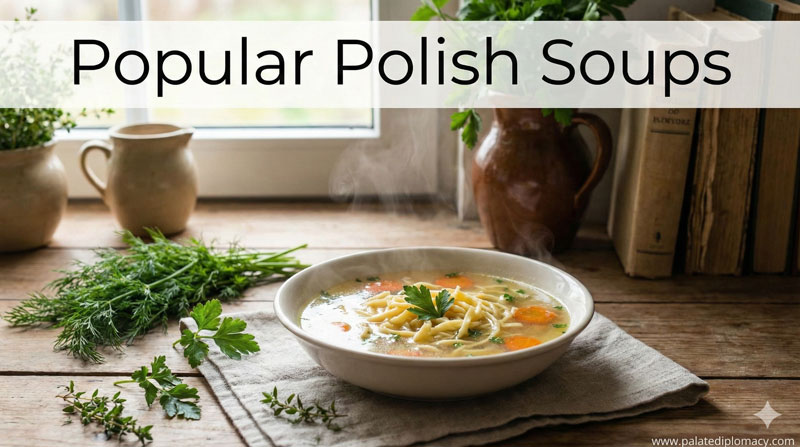
Rosół is a clear, delicately seasoned broth built from chicken and a small list of vegetables. The goal is a bright, clean taste, with depth earned through slow simmering. Typical ingredients include a chicken or chicken carcass, onions, carrots, parsnips, and a few peppercorns or a bay leaf for subtle aroma. Water, time, and careful skimming shape the final flavor. The broth is commonly served with fine egg noodles or small dumplings, and a sprinkle of chopped parsley can finish the bowl. The experience centers on clarity and comfort, not heaviness, so the dish invites steady conversation as much as it invites steady sipping.
A Dish of Warmth: The Tradition of Serving Rosół
Serving Rosół is a ritual of togetherness. Sundays often mark a pause from weekday bustle, when family members gather to share a pot of broth and simple pasta. Rosół opens the meal with a sense of welcome. The steaming bowls, the soft clink of spoons, and the aroma that travels through the kitchen create a gentle invitation to slow down. The act of serving—pouring the broth, placing the noodles, and offering fresh parsley—speaks to hospitality. In many homes, Rosół is also prepared for moments of care and consolation, a warm signal that family presence matters.
Ingredients and Their Significance
Each component of Rosół carries a sense of purpose and seasonality. The chicken provides a comforting, gentle base with a naturally mild sweetness. Carrots contribute color and a natural sweetness that brightens the broth. Parsnip adds earthiness and roundness to the flavor, while onion brings a soft, savory note. Peppercorns offer a touch of spice without dominating the balance, and a bay leaf lends a subtle depth. The noodles or dumplings that accompany Rosół transform the dish into a sustaining meal, giving texture and a sense of heartiness without heaviness. Fresh parsley or dill sprinkled on top adds a final, bright note that completes the bowl.
The Ritual of Making Rosół
The process of making Rosół is a meditation in patience. Many cooks begin with cold water and the whole chicken to extract flavor gradually. A gentle simmer allows impurities to rise to the surface, which are skimmed away to keep the broth clear. Aromatics are added with care, and the heat is kept steady to prevent cloudiness. The noodles are cooked separately so they stay tender and flourish just before serving. The result is a broth that feels light on the tongue, yet deeply comforting in memory. This careful technique embodies a philosophy of cooking that honors time, simplicity, and balance.
Regional Variations and Personal Touches
Polish families bring subtle regional touches to Rosół, reflecting local tastes and Family Traditions. Some households prefer a slightly longer simmer for a deeper flavor, while others favor a brisker cook to preserve a quicker, lighter profile. The choice of noodles—thin strands, egg noodles, or small dumplings—adds texture and character to the bowl. Parsley or dill might be added as a final flourish, varying by home and region. Some cooks introduce a tiny splash of lemon juice or a whisper of garlic, but the essence remains the same: a clear, comforting broth that honors the ingredients and the cook. These variations show how Rosół adapts to personal memory and regional preference while preserving its core identity.
Rosół in Modern Polish Homes
Today, Rosół remains a beloved feature of Polish Cuisine, adaptable to contemporary life while preserving tradition. Families may prepare a large batch to share throughout the week, using leftovers to create new meals with the same base of flavor. The dish can be a calm weekend project or a reliable weeknight comfort, proving that a classic recipe can fit a busy schedule without losing its soul. Modern kitchens extend the tradition with careful ingredient choices, vibrant garnishes, and a shared appreciation for the simple act of sitting down to eat together. Yet the essence stays constant: Rosół offers nourishment, familiarity, and a moment of connection in a busy world.
Pairings and Serving Suggestions
Rosół shines best when it is treated simply. Serve the broth hot in warm bowls, with a small bundle of noodles or a few dumplings. Garnish with chopped parsley to add a fresh, green note. A slice of crusty bread or a dense rye roll on the side provides a satisfying texture contrast. A crisp pickle or a light salad can accompany the meal, adding a touch of brightness without overpowering the soup. The key is to keep the presentation modest and inviting, letting the broth’s clarity and aroma lead the way.
Choosing Quality Ingredients
Great Rosół begins with thoughtful ingredients. Choose a fresh, good-quality chicken or chicken bones as the broth’s foundation. Local vegetables that feel aromatic and bright enhance the overall flavor. Use hand-cut noodles or small dumplings that hold their texture, and season with a light hand to preserve the soup’s delicate balance. Fresh herbs, when added just before serving, bring a lively finish. The beauty of Rosół lies in its ability to highlight simple ingredients with careful preparation.
Conclusion
Rosół stands as a quiet celebration of family, patience, and the beauty of clear, comforting flavor. When Polish families gather around a pot of Rosół, they share more than a meal; they share a moment of belonging. The dish teaches us to honor simplicity, to value time spent together, and to appreciate how a well-made broth can carry memory and warmth across generations. In every bowl, Rosół continues to illuminate the generous spirit at the heart of Polish food culture.