
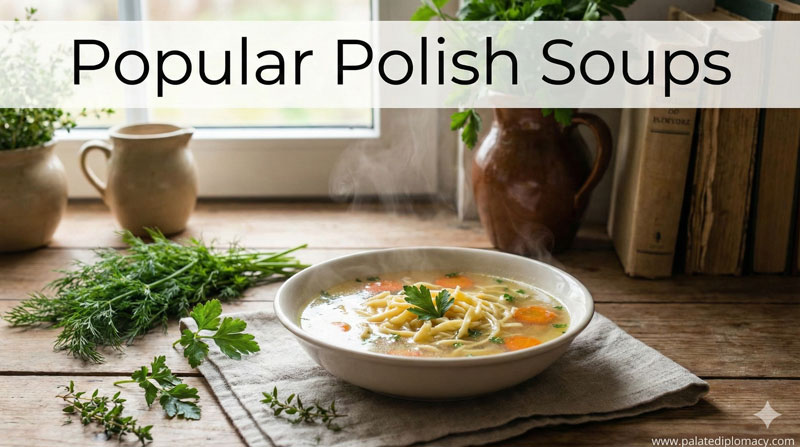
Rosół: A Polish Table Embrace
Rosół is more than a bowl of warmth. It is a quiet ritual of care, a doorway into Polish kitchen culture, and a beloved anchor for family meals. The aroma alone invites people to gather, to slow down, and to savor the moment of being together. In homes across Poland, Rosół speaks in simple terms: nourishment, hospitality, and shared happiness.
The Heart of Rosół: What Makes It Special
Rosół stands out for its clarity, its gentle flavor, and the dignity of its preparation. The broth is the focal point, yet it carries the personality of the household that makes it. It is a dish built on patience, timing, and respect for ingredients. The result is a clean, comforting liquid that carries a faint sweetness, a touch of herbaceous brightness, and a sense of welcome that lingers long after the last sip.
The Craft of the Broth: Ingredients and Method
A good Rosół begins with quality stock. A whole chicken or chicken parts provide depth, while a careful assortment of vegetables adds color and aroma. Common elements include onions (often roasted for depth), carrots, celery, and parsley root. Bay leaves, whole peppercorns, and a pinch of salt round out the flavor. The goal is a clear broth, bright and gentle rather than heavy.
The method is deliberate. Start with cold water and bring the pot to a slow simmer. Skim gently as foam rises. Let the broth cook slowly, allowing the proteins to settle and release their flavor without clouding the liquid. This patience—watching, skimming, and adjusting—is the quiet heartbeat of Rosół. When the meat is tender and the vegetables have shared their sweetness, the liquid is strained to a pristine, pale gold. The result is a broth that feels light on the palate but deep in character.
Serving Rosół: Noodles, Garnish, and the Table
Serving is a small, ceremonial moment. Rosół travels from pot to bowls with care, resting briefly to heighten its clarity. Fine egg noodles, or traditional kluski, are added just before serving, so they soak up the broth without losing their bite. A scatter of chopped fresh parsley or dill brings a bright green glow and a fresh aroma. The bowls arrive at the table with a soft steam and a sense of anticipation, inviting everyone to taste first and talk afterward.
A Family Ritual Across Polish Homes
Every family has its own rhythm with Rosół, yet the core idea remains shared: food as a bridge between people. The broth is often prepared for Sunday meals or special gatherings, becoming a signal that family time is beginning. Children learn patience by watching the simmering pot and counting the minutes until the noodles are ready. Parents and grandparents pass down small touches—when to add a herb, how long to let the fat rise, or which noodles best accompany the broth. The dish becomes a canvas for memory, where the same scent can call back years of same-table conversations and quiet, affectionate routines.
Regional Touches and Personal Twists
Polish cuisine offers gentle regional variations that enrich Rosół without changing its essence. Some homes favor a touch more root vegetable for sweetness; others keep the broth lean and pale. A few add a stalk of celery for crisp aroma, while others emphasize roasted onion for a deeper perfume. The choice of noodles also varies—slightly thicker kluski in one household, delicate egg noodles in another. These subtleties reflect regional landscape, family history, and personal taste, all while keeping the dish recognizable and comforting.
Rosół as Comfort and Hospitality in Polish Cuisine
Rosół embodies comfort as a daily practice and a celebratory gesture. It teaches generosity and attentiveness—How to prepare with care, how to share in the moment of a warm bowl, and how to welcome guests with simple, soulful food. in Polish cuisine, the act of serving Rosół is an expression of hospitality: a promise that every visitor will be fed, warmed, and attended to. The soup holds a place of honor at the table, a reminder that nourishment is best when it is offered with kindness.
Preserving a Living Tradition
Today, Rosół continues to thrive because it adapts without losing its soul. Home cooks honor the classic method while embracing practical steps for modern life—using quality ingredients, preparing the broth ahead, or adjusting for dietary preferences. The core idea remains the same: take time, listen to the simmer, and share the result with people you love. This living tradition invites new generations to add their own memories while keeping the core values intact—care, clarity, and communal joy.
A Simple Guide for Enjoying Rosół at Home
- Choose a good quality chicken and fresh vegetables for a clean flavor.
- Cook slowly, skim often, and strain for a clear broth.
- Serve with noodles or kluski and a sprinkle of parsley for color.
- Gather around the table with patience and conversation; let the moment unfold with each sip.
Rosół invites readers to slow down, to notice the aroma of simmering stock, and to celebrate the simple beauty of a well-made soup. It is a dish that honors family, craft, and the quiet, generous spirit of Polish cooking. If you seek a dish that nourishes both body and heart, Rosół offers a welcoming answer—timeless, respectful, and unmistakably Polish.