
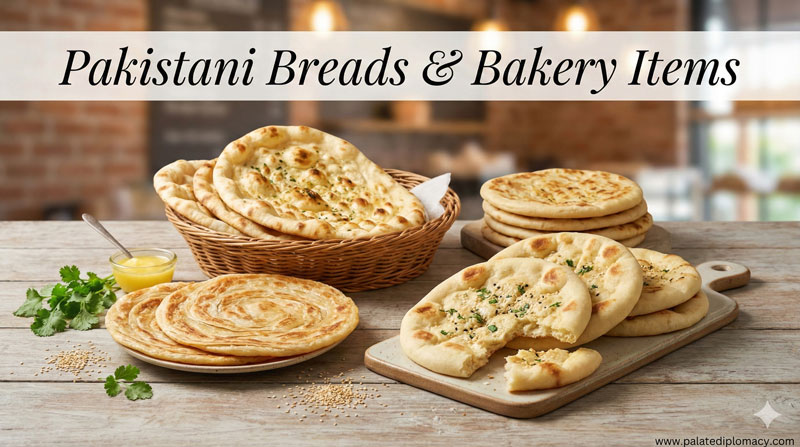
The Story Behind Roti, a Pakistani Food Favorite
Roti is a quiet star in Pakistani kitchens. Simple dough becomes soft, round discs that warm a table and carry flavor across meals. This bread embodies care, daily life, and a shared love of good food. Its presence signals comfort, nourishment, and connection. For many families, roti opens a conversation with curries, vegetables, lentils, and sauces. It invites cooks and eaters to slow down, to notice the aroma, and to savor the soft, pliable texture.
The Simple Craft: How Roti Is Made
Roti starts with whole wheat flour, water, and a pinch of salt. A brief rest lets the dough settle. A skilled hand divides and shapes the dough into small balls. Each ball rolls into a thin circle, even and smooth. The hot tawa or skillet kisses the dough, turning it warm and pale. A quick puff and a few bubbles appear as it finishes. A final touch, sometimes a whisper of ghee or butter, adds fragrance without overpowering the wheat. The result is a flexible bread ready to carry flavors or stand solo.
The Flavor and Texture: Culinary Significance
Roti offers balance. Its flavor remains gentle, letting accompanying dishes shine. The texture ranges from soft to slightly chewy, with a delicate crust in places. The aroma—toasty, grainy, inviting—signals a meal in progress. Because roti is unleavened, the focus stays on the purity of wheat and its honest, wholesome feel. This simplicity holds culinary significance: it adapts to sauces, dips, and bites, becoming a universal partner in many plates.
Roti in Daily Life: Home, Table, and Taste
In homes across Pakistan, roti appears at many meals. It joins lentils at lunch, vegetables at dinner, and even breakfast with yogurt or vegetables. Diners tear off a portion to scoop curries, paanful sauces, or fragrant gravies. The act of sharing a warm roti can feel Like a small ritual—hands meet dough, steam rises, and the meal comes together. Roti’s versatility Makes It a dependable companion in everyday cooking.
Regional Voices: Variations Across Pakistan
Across regions, roti wears different textures and sizes. Some areas favor a thinner, delicate chapati; others enjoy a slightly thicker roti for heartier scoops. The heat source can vary: a flat pan, a clay tandoor, or a hot surface that captures a touch of char. Some households blend whole wheat with other grains for nuanced flavors. Yet the essence remains the same: a round bread that carries the meal forward and welcomes every bite.
Tools and Technique: The Craft Behind the Bread
Many kitchens honor the tools of roti-making. A wooden board (chakla) and a rolling pin (belan) are common partners. A skilled hand works the dough with care, shaping uniform rounds. The technique emphasizes rhythm: roll, rotate, roll again, then cook. This craft connects generations, turning a simple act into a shared heritage.
Pairings and Plate Harmony
Roti pairs with curry, dal, vegetable dishes, and fragrant gravies. It acts as both spoon and utensil, lifting sauces to the palate with a gentle touch. The bread’s neutral base allows bold flavors to stand out, while its own warmth elevates the overall balance of a meal.
A Timeless, Welcoming Bread
Roti remains a welcoming presence in Pakistani cuisine. It reflects patience, daily life, and communal dining. The bread’s beauty lies in its everyday nature—unpretentious, nourishing, and endlessly adaptable. As a staple, it shows how food can be both simple and deeply meaningful.
If you’re new to roti, try pairing it with a favorite lentil curry or a fresh vegetable dish. You will likely notice how the bread gently carries flavors, how its warmth invites conversation, and how it turns a meal into a shared, comforting experience.