
Introduction
Rum cake holds a cherished place in Caribbean kitchens. Its warm aroma, rich texture, and gentle sweetness invite close gatherings. Across the region, this dessert speaks to shared recipe traditions, careful craft, and a love of celebration. The cake is more than a treat; it is a symbol of hospitality and the joy found in everyday cooking.
What is Rum Cake?
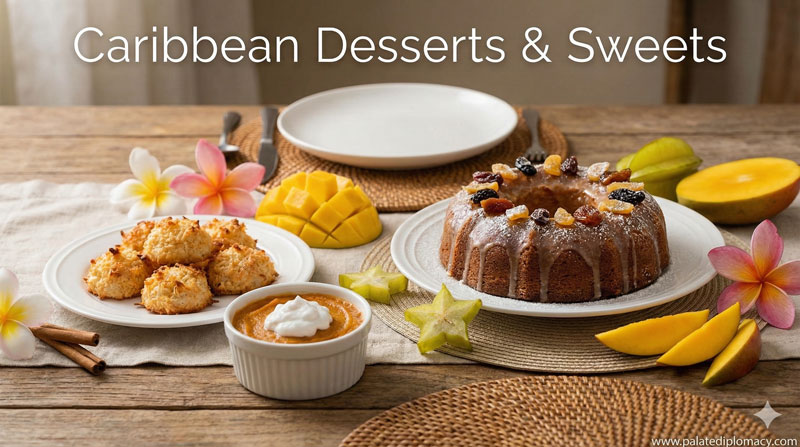
A Caribbean rum cake is a moist, flavorful dessert made with flour, sugar, eggs, butter or oil, and a generous amount of rum. Dried fruits such as raisins and cherries often join the batter, sometimes soaked in rum for extra depth. Citrus zest and spices like nutmeg, cinnamon, and allspice brighten the batter. After baking, a rum glaze or syrup may coat the top, and a final kiss of more rum can soak into the cake’s crumb. The result is a dense, fragrant cake that stays tender and keeps well over days.
Culinary Techniques that Define It
The magic of rum cake lies in technique as well as ingredients. Soaking dried fruit in rum before mixing adds moisture and a round, fruity note. A slow, steady bake keeps the cake tender rather than dry. A glaze or syrup brushed on while the cake is warm helps lock in moisture and infuse aroma. Grating citrus zest directly into the batter releases bright oils, lifting the deeper rum flavors. Many bakers let the batter rest briefly, allowing flavors to mingle. Finally, careful frosting or drizzling adds a finishing gloss that makes the cake look as inviting as it tastes.
Regional Tastes Across the Caribbean
Across Caribbean kitchens, cooks put their own stamp on rum cake. In Jamaica, bakers often favor a bold, dark fruit presence and a pronounced spice blend. Barbados may emphasize a balanced sweetness with citrus notes and a smooth rum glaze. In Antigua and Barbuda, fruit-forward versions shine, with an extra touch of warmth from nutmeg and cinnamon. Trinidad and Tobago offer rich, aromatic cakes that pair well with a creamy coffee or a bright fruit sauce. In Puerto Rico and the Dominican Republic, you may find lighter textures with a subtle rum finish and hints of vanilla. While each island showcases its own style, all share a love for a cake that travels well, stays moist, and delights the senses.
The Cultural Value and Rituals
Rum cake is a companion to celebrations big and small. It graces holiday tables, birthday feasts, and family gatherings with equal grace. Its aroma invites everyone to the table, turning a quiet moment into a shared experience. The cake often travels between kitchens, passing from baker to friend to neighbor, reinforcing bonds of care and hospitality. It also serves as a teaching dessert, with older cooks passing on tips about soaking fruit, balancing sweetness, and achieving the Perfect glaze. In this way, the cake supports memory, skill, and community through generations.
Popularity Across the Caribbean
The widespread affection for rum cake comes from its adaptability and reliability. Bakeries feature it as a staple, comforting travelers and locals alike. Home cooks keep a favorite recipe close, tweaking it with family-approved spices or preferred rums. Markets showcase ready-made versions that travel well for gatherings or gifts. The cake also suits the hospitality rhythm of many events, from doorstep welcomes to festive banquets. Its presence across kitchens and homes creates a sense of shared taste that many readers can recognize, regardless of location.
Tips for Making a Caribbean Rum Cake at Home
- Choose a dark or aged rum for a deeper, caramelized flavor.
- Soak dried fruit in rum for a few hours to several days for maximum infusion.
- Add fresh citrus zest and a warm spice blend to introduce brightness and depth.
- Bake slowly at a moderate temperature to keep the crumb moist.
- Finish with a rum glaze or a light brushing of syrup while the cake is still warm.
- Let the cake rest before serving; this helps flavors meld and improves texture.
- Store covered in a cool place to retain moisture and aroma.
Serving Ideas and Pairings
Serve rum cake with a cup of strong coffee or a cool glass of coconut water. A light vanilla ice cream or a dollop of whipped cream complements its richness. For fruit lovers, a drizzle of citrus sauce enhances the bright notes. The cake also makes a thoughtful gift, wrapped with a ribbon and a note of thanks.
Final Thoughts
Rum cake’s enduring appeal comes from its balance of flavor, texture, and memory. It represents the craft of Caribbean home bakers who blend simple ingredients with patience and care. The result is a dessert that invites conversation, sharing, and celebration. Whether enjoyed at a family gathering, a holiday table, or a sunny afternoon with friends, rum cake stands as a delicious reminder of the Caribbean’s warm, welcoming Food Culture.