
A Complete Guide to Enjoying Rum Cake Like a Local
Rum cake is more than a dessert. It is a quiet celebration in every bite. In coastal towns and sunny kitchens, this cake appears at gatherings big and small. It carries warmth, comfort, and shared love for good flavors. This guide looks at its cultural value and culinary significance. It invites you to taste with curiosity and respect.
What makes a rum cake special
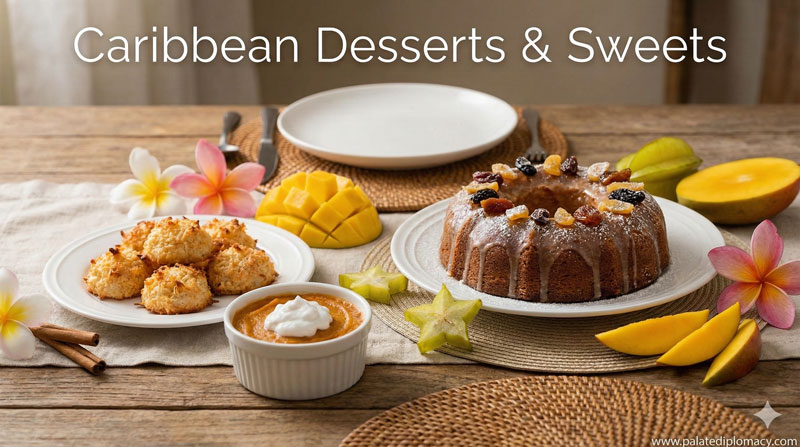
A rum cake blends simple ingredients into a memorable treat. The batter uses flour, sugar, eggs, and butter for richness. A hallmark is the rum syrup that soaks the cake after baking. The syrup adds moisture and a gentle glow of sweetness and spice. Vanilla, nutmeg, and citrus zest lift the aroma. Some bakers fold raisins, currants, toasted coconut, or chopped nuts for texture. Dark and gold rums offer different depths, from warm molasses notes to bright caramel tones. Regional twists shine through with small additions like pineapple or almond. The result is a versatile dessert that fits many moments of life.
The flavor journey: textures and aromas
The first impression is aroma. Vanilla and spice mingle with a hint of citrus. Then comes the texture: a moist, tender crumb that holds its syrup without feeling heavy. The cake invites slow savoring, with each bite releasing balanced sweetness. The syrup helps keep slices soft, even after a light chill. When a slice is warmed or brought to room temperature, the flavors seem brighter, as if the kitchen memory is unfolding anew. The finish is smooth, not syrupy, with a gentle rum glow that lingers pleasantly. This harmony makes the cake comforting and uplifting at once.
Traditions of enjoying rum cake
Locals often share rum cake during celebrations, tea time, or casual gatherings. It appears on coffee tables after meals and at seasonal fairs. Families pass recipes from one generation to the next, each baker adding a personal touch. Friends bring a slice to neighbors, turning dessert into a small ritual of connection. The cake’s presence signals hospitality and care. Its sweetness heightens conversation and slow, mindful tasting. In this way, rum cake becomes a thread in the everyday fabric of food culture, a familiar joy that welcomes everyone to the table.
Pairings and serving ideas
Serve rum cake in generous slices that show off its syrup glaze. Pair it with a strong cup of coffee or a bright black tea to cut the sweetness. A glass of cold milk or a lightly sweetened iced tea also works well. For a more festive pairing, offer a small dram of light rum or a dessert wine on the side. Fresh fruit, such as pineapple wedges or citrus segments, can brighten the plate. A dusting of powdered sugar or a drizzle of extra glaze adds a finishing touch. Simple, thoughtful combinations elevate the experience without overpowering the cake’s character.
Finding and tasting like a local
To taste Like a local, start with trusted bakeries and markets that emphasize freshness. Look for a cake with a glossy syrup sheen and a tender crumb. Avoid dry slices or cakes with overly dark or crusty edges. Freshness matters most: a cake that still smells inviting and moist is a good sign. If possible, ask the baker about the rum used and the glaze style. Local shops often offer small variations that reflect regional flavors. A genuine local experience feels warm, hopeful, and unhurried, much like the dessert itself.
Quick tips for an authentic experience
- Bring a moment of patience to the first bite; let warmth and aroma lead the way.
- Cut slices thin enough to savor the syrup without overwhelming sweetness.
- If you can, warm the cake slightly to reawaken the aroma.
- Pair with simple, complementary drinks to keep the focus on the cake.
- Share the experience; a story about enjoying the cake deepens the flavor of the moment.
A final note on culture through the cake
Rum cake offers a window into everyday joy and hospitality. Its flexible style invites many tastes, while its syrup binding ties the moment together. The cake holds memories of family meals, neighborhood celebrations, and quiet afternoons with a friend. By savoring a slice, you join a tradition that values warmth, balance, and mindful savoring. This is the heart of enjoying rum cake like a local: respect for the craft, appreciation for the moment, and gratitude for shared sweetness.