
A Nordic Favorite at the Table
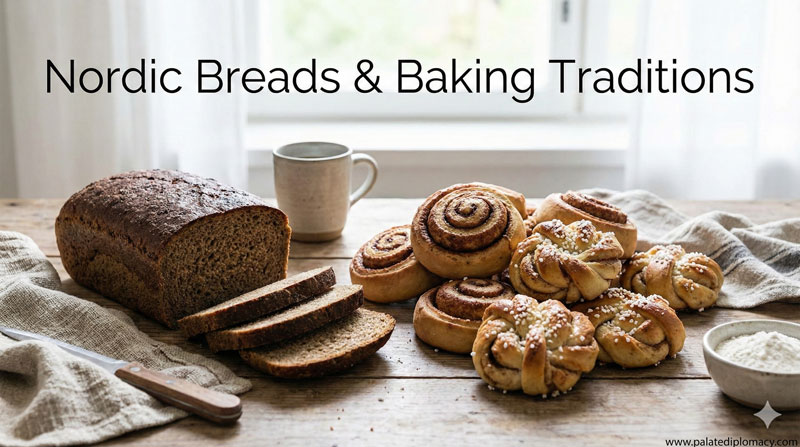
Rye bread is more than food in the Nordic lands. It is a daily companion, a quiet, reassuring presence at breakfast, lunch, and dinner. In towns and villages, homes and bakeries, a loaf of rye signals care, patience, and a love of simple, honest ingredients. Its dark color and dense crumb tell a story of climate, grain, and time well spent. People savor its steady strength and versatile charm as they begin the day, rest after work, or gather around a shared meal.
The Cultural Value of Rye Bread
Rye bread embodies a kinship between land and table. It reflects the patience of bakers who allow time for natural fermentation and slow rising. It stands beside seasonal ingredients, from barley and oats to root vegetables and fish, linking harvest with tradition. The bread is a symbol of nourishment that travels well from kitchen to kitchen, city to countryside, season to season. In everyday life, it marks ordinary moments as meaningful, inviting people to slow down and notice the flavors of rye, malt, and the seeds that often stud its crust.
Fermentation and Flavor: The Heart of the Bread
The appeal of rye bread rests on more than its dark hue. The natural fermentation process develops a tart, mellow flavor that evolves with time. The sour note balances the bread’s sweetness from malt and roasted notes from the crust. This depth comes from patient handling: a dough that rests, ferments, and matures slowly. The result is a loaf with a moist interior and a crisp, flavorful crust. The aroma, rich and toasty, evokes home, family kitchens, and the comforting ritual of bread breaking.
Regional Voices: Rugbrød, Ruisleipä, and More
Across the Nordic region, rye bread wears many regional personalities. In Denmark, rugbrød is a dense, seaweed of seeds and grains that forms the foundation for open-faced sandwiches. In Sweden, rågbröd offers a hearty, sturdy slice that holds its shape when topped with cheese, fish, or vegetables. Finland’s ruisleipä emphasizes the grain’s rye sweetness, often with seeds or rye flakes for texture. Iceland’s rúgbrauð is famous for its deep, almost mineral sweetness and a soft, near-tudor crumb, traditionally baked in geothermal heat for a long, gentle lift. Norway and other Nordic kitchens blend rye with regional grains and herbs, creating breads that carry the scent of pine forests, sea breezes, and barnyard warmth. Each variation honors local farming, milling, and baking traditions, while sharing a common love for rye’s resilience and character.
Texture, Aroma, and Pairings
Rye bread prizes its texture: a compact crumb that remains tender long after baking, a sturdy crust that provides crunch, and a moist interior that carries flavor. The aroma blends roasted malt, caramel notes, and a touch of sour tang. The bread’s structure Makes It ideal for toppings, from smoked fish and pickled vegetables to soft cheeses and butter. It also holds up well to hearty toppings like gravlax, rye bread with herbs, or a simple slice with butter and jam. In Nordic meals, rye bread often acts as a canvas, inviting simple, bright flavors to stand out while keeping everything grounded in a warm, wholesome mood.
Everyday Rituals and Shared Moments
Rye bread accompanies daily routines and small celebrations alike. Families bake at home, passing down generations of yeast and starter care. Bakeries, both old and new, keep rye traditions alive with slow fermentation and careful milling. In markets, a warm loaf invites conversations about grain choices, seasonal produce, and local methods. Sharing rye bread with a neighbor or friend becomes a small ritual—an easy way to connect, exchange flavor stories, and savor the quiet joy of good bread.
Craft, Community, and Modern Nordic Baking
Modern Nordic bakers honor rye’s origins while exploring new textures and pairings. Artisanal bakers experiment with seed blends, stone-ground milling, and controlled fermentation to create loaves with depth and balance. The craft emphasizes sustainability: selecting local grains, using energy-efficient ovens, and valuing the loaf’s long shelf life. Yet the heart remains simple and timeless—ripe with flavor, durable, and ready to accompany daily meals with warmth and grace. In studios and kitchens, rye bread is celebrated as a living tradition that invites curiosity about texture, aroma, and technique.
Keeping the Tradition Alive: A Gentle Invitation
Rye bread welcomes everyone to a shared edible moment. It invites tasting journeys—from the first bite that hints at caramel and malt to the final crust that offers a satisfying snap. By exploring the Nordic rye bread family, you glimpse a culture that values patience, craft, and communal eating. Whether you start with a single dense slice or create a full open-faced meal, you are participating in a long-standing practice that honors land, grain, and the simple pleasure of good bread.
If you’re curious to explore further, seek a loaf labeled with a Nordic name—rugbrød, rågbröd, ruisleipä, or rúgbrauð—and savor how each region inflects rye with its own character. Pair it with local fish, cheese, vegetables, and herbs to taste the full cultural spectrum. Rye bread offers a doorway to Nordic Food Culture—quiet, comforting, and endlessly inviting.