
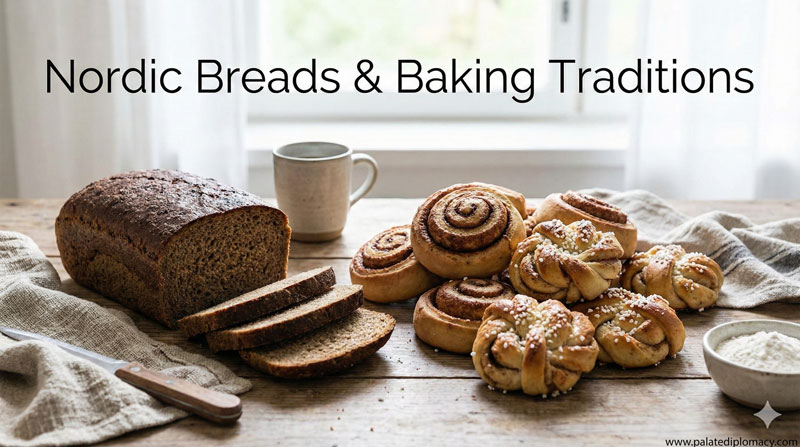
A Complete Guide to Enjoying Rye Bread Like a Local
Rye bread carries a quiet charm. Its aroma fills the room, and its sturdy texture invites careful tasting. This loaf sits comfortably at the center of many meals. It quietly honors the day and the hands that shaped it. In this guide, you’ll discover how to enjoy rye bread Like a local—through flavor, texture, and everyday rituals.
The Character of Rye Bread: Flavor, Texture, and Aroma
Rye flour gives rye bread its distinct color and earthy flavor. It has less gluten than wheat, so the crumb is denser and pleasantly chewy. The tang you notice often comes from natural fermentation. When you bite, you sense malt sweetness, a hint of roasted grain, and a clean finish. The crust offers a crisp snap, while the interior stays moist and resilient. To truly savor it, take a moment to inhale the aroma before the first bite. The scent tells you about the grain, the fermentation, and the care in the bake.
Regional Touches: Variations That Define Local Palates
Around the world, rye bread carries local character. In Central Europe, loaves are deep brown and hearty, frequently kissed with seeds like caraway. In Nordic kitchens, rye is common in sturdy, sliceable loaves that pair with fish and pickles. In Eastern Europe and the Baltic regions, darker, more earthy rye breads appear in daily meals and special gatherings. Each style highlights a relationship between rye and region: grain, climate, and the pace of everyday life. Whatever the variation, the loaf remains a reliable companion at breakfast, lunch, or supper.
The Craft: From Grain to Crust
The magic starts with the grain. Rye’s gluten is gentler, so bakers often use a longer, cooler fermentation to build flavor and strength. A good rye dough drinks water and time, embracing a mellow sourness that enhances its depth. During baking, steam and heat work together to form a crust that crackles with a light resilience. The crumb stays tender yet firm, offering a satisfying bite. The result is a loaf that holds its shape while letting toppings shine.
Pairings That Elevate Rye
Rye bread shines with simple, thoughtful toppings. A thin smear of butter lets the malt notes speak. Mild cheeses, such as a soft goat cheese or a creamy havarti, balance the tang. Smoked fish or cured meats add a savory contrast, while pickles or beets bring refreshing acidity. Mustard, honey, or a touch of jam can highlight different flavor notes without overpowering the loaf. For many, rye is the perfect base for open-faced sandwiches, creating a quick, elegant meal any time of day.
Serving Rituals: When and How to Enjoy
Toasted rye brings out its full aroma. A light toasting shortens the wait between scent and taste and adds a whisper of warmth to the bite. Slice thick enough to hold toppings, yet thin enough to bite through with ease. Serve rye with a beverage that complements its depth—tea, coffee, or a glass of milk. In family meals, a simple slice shared among friends can feel like a small celebration of everyday life.
Shopping and Storing: Practical Tips
Choose rye bread with a fragrant, malty aroma and a crust that looks sturdy but not hard. A well-made rye loaf should feel substantial in the hand and yield a moist, pliant crumb. At home, store rye in a cool, dry place wrapped to protect the crust. For longer freshness, wrap and freeze slices you won’t use soon. When you’re ready to enjoy, re-crisp lightly in a toaster or warm in a low oven to revive the aroma.
Cultural Moments: Sharing Rye in Everyday Meals
Rye bread anchors everyday eating in many cultures. It often accompanies breakfast spreads, lunch lighter meals, and supper plates with heartier toppings. In the Nordic and Central European kitchens, open-faced rye sandwiches—often called “smørrebrød” and similar styles—show how rye supports creativity with simple ingredients. The loaf invites conversation about flavors, textures, and the rhythm of daily life. It invites people to slow down, notice the crust’s crackle, and appreciate the balance of taste and aroma on the palate.
A Simple At-Home Experience: Quick Rye Toast
- Lightly toast a slice to awaken its aroma.
- Rub with a garlic clove or brush with a hint of olive oil for a quick flavor boost.
- Top with butter, a slice of cheese, or a spread of nut butter.
- Add a few slices of cucumber or radish, a pinch of salt, and a drizzle of honey for contrast.
- Pair with a warm drink to complete the moment.
Closing Thoughts: The Quiet Joy of Rye
Rye bread stands as a humble yet dignified staple. Its flavor, texture, and aroma bring comfort and a sense of place to any table. When you eat rye like A Local, you taste more than bread—you taste daily life, shared meals, and the care that goes into a well-baked loaf. Embrace the loaf, savor its tang, and let it accompany your meals with quiet joy.