
A Complete Guide to Enjoying Rye Bread Like a Local
Introduction
Rye bread holds a quiet dignity in many kitchens. Its aroma is earthy and inviting, its texture sturdy yet springy. Locals often welcome a slice as a simple pleasure that pairs with daily routines. This guide explores the cultural value and culinary significance of rye bread, and how to savor it with the same appreciation found in households that bake, toast, and share it daily.
What is Rye Bread?
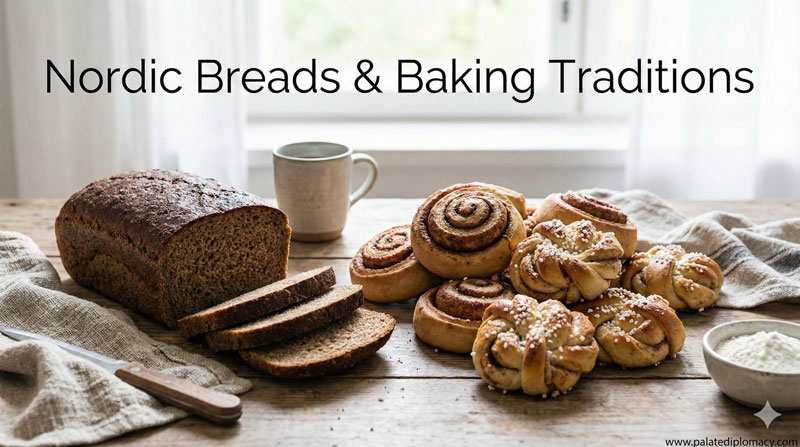
Rye bread uses rye flour as a main ingredient, sometimes blended with wheat flour. The result is a loaf with a denser crumb and a distinct tang. Caraway seeds or other seeds often appear, adding aroma and a touch of crunch. The loaf can be light in color or dark and richly flavored, depending on the recipe and the time spent fermenting. Fresh rye carries a warm, malty scent, while toasted slices release deeper, nutty notes. Across regions, the bread can be soft and sandwich-ready or dense enough to stand up to hearty toppings. In every form, rye bread reflects local farming, milling practices, and baking craft.
Culinary Significance
Rye bread serves as a reliable anchor in meals. It works beautifully with soups and stews, offering a sturdy partner that soaks up flavors without becoming sodden. Its texture invites spreading, dipping, and assembly. In many homes, rye bread is the base for open-faced creations, where cheese, pickles, vegetables, or cured meats rest atop a warm, lightly buttered slice. The bread’s tangy profile cuts through richness, balancing dishes with a refreshing bite. Regionally, rye bread often accompanies traditional fare—be it a morning meal with butter and jam, a midday sandwich, or a light evening plate with smoked fish and sharp mustard. The loaf’s presence in daily life underscores a culture of steady, comforting nourishment that respects simple ingredients.
Enjoy Like a Local: Techniques and Rituals
To enjoy rye bread like a local, start with a fresh loaf or a well-preserved slice. Then:
- First, observe the aroma. A good rye announces earthiness and a gentle toastiness as it warms.
- Next, slice with a sharp knife. Aim for even, moderately thick slices to reveal the crumb without crumbling.
- Toast lightly if you prefer a toasty surface and a richer fragrance. Warm bread releases its oils and intensifies its flavor.
- Then, apply a thin layer of butter while the crust is still warm. The melt enhances the crumb’s texture and helps toppings cling.
- Finally, add toppings thoughtfully. Try simple combos like tomato and cheese, cucumber and a dab of mustard, smoked fish with pickles, or a slice of cheese with a drizzle of honey. Each topping highlights the bread’s earthy tang and its faint sweetness.
In addition, use rye bread as a vehicle for seasonal ingredients. Fresh herbs, seasonal vegetables, and a touch of acidity can brighten flavors and illuminate the loaf’s character. The ritual of choosing toppings and sharing a slice with others is a gentle daily celebration of community and taste.
Regional Variations and Pairings
Rye bread travels well, and regional preferences shape its pairings. In many Nordic-influenced kitchens, rye slices serve as a sturdy platform for seafood, dill, and crisp vegetables. In Central Europe, rye loaves often appear alongside hearty cheeses and pickled vegetables, with seeds like caraway enhancing aroma. In parts of Eastern Europe, rye bread is enjoyed with sausages, mushrooms, and robust stews. Across these variations, the common thread is balance: the bread’s tang offsets richness, while its texture anchors delicate or spicy toppings. The result is a versatile staple that welcomes experimentation and celebrates local flavors.
Buying, Storing, and Freshness
To choose rye bread, look for a loaf with a rich, inviting aroma and a crust that feels firm but not brittle. The crumb should be moist but not sticky, and you should notice a pleasant tang when you break a slice. If you’re buying pre-sliced bread, check the packaging date and ensure the loaf feels fresh when you lift it.
Store rye bread in a breathable bag or wrapper to preserve crust integrity. For longer life, refrigerate only if you won’t Eat It within a few days, or freeze portions for later. When ready to enjoy, re-warm slightly to revive aroma and texture. A quick toast can make even day-old slices feel freshly baked.
A Quick Home-Baking Note
If you enjoy baking, rye bread welcomes experimentation. Start with a simple rye-heavy dough, allow extra time for fermentation, and use a portion of sourdough starter to develop depth of flavor. Incorporating seeds or a touch of molasses can customize the loaf to your taste. Baking rye at Home connects you to a process that many households cherish as a craft and a daily joy.
Conclusion
Rye bread offers more than sustenance; it carries a sense of place, craft, and shared meals. Its tang, density, and aroma invite thoughtful pairing and mindful tasting. By savoring rye bread with attentive preparation—slicing evenly, toasting gently, and choosing complementary toppings—you join a long tradition of embracing simple ingredients with care. Whether enjoyed at a quiet breakfast or a lively open-faced sandwich, rye bread remains a humble yet beautiful expression of culinary culture.