
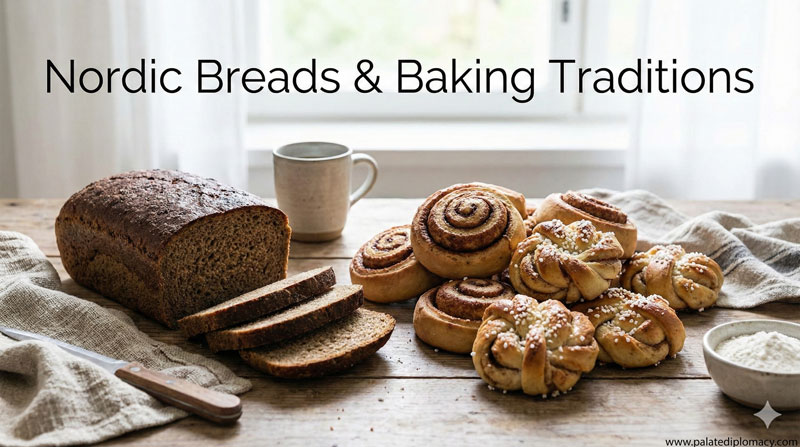
How Rye Bread Became Popular in Nordic Cuisine
Rye bread grew in Nordic kitchens first as a reliable companion, then as a beloved cultural emblem. In everyday life, bakers harvest rye, grind it, and bake loaves that fill homes with warmth. The loaf offers a quiet earthiness, a tang from natural fermentation, and a sturdy slice that holds toppings with grace. Over time, this bread moved from field to table with steady familiarity, becoming a cornerstone of meals and memories. The Story of rye bread here is a celebration of rhythm, craft, and the slow beauty of a well-made loaf.
The Grain and the Climate
Rye thrives where the growing season is short and the soil conditions vary. It stores well, which Made It a practical staple for long Nordic winters. Because rye resists drought and cold better than many other grains, bakers learned to rely on it as a dependable foundation for bread. The flavor grows richer with patience, especially when fermentation unfolds slowly. In this way, the grain and the climate work together to shape a loaf that feels sturdy yet nuanced, with a character that invites quiet savoring.
Techniques That Shaped the Loaf
Bakers favor rye flour, often blending it with a touch of wheat to balance structure and lift. They harness natural fermentation to unlock aroma and depth, letting dough rest and rise with a gentle, patient rhythm. The loaf may be baked freeform or in a traditional loaf pan, and seeds such as caraway, sesame, or flax add crunch and fragrance. The crust reaches a warm, welcoming crack, while the crumb remains moist and chewy. Through careful shaping and timing, the process honors the grain’s natural pace and yields slices that hold their shape for open-faced meals.
Everyday Life and Open Meals
In Nordic homes, rye bread moves from oven to breakfast plate with ease, then to hearty lunches loaded with cheese, fish, or vegetables. Open-faced sandwiches—smørrebrød in Denmark and similar ideas elsewhere—shine on a single, sturdy slice. Families cut thick wedges for mornings or pack slices for school and work breaks. The bread pairs beautifully with seasonal produce: root vegetables in winter, herbs in spring, berries in summer. This simple loaf becomes a stage for daily rituals and the seasonal bounty of the region.
Regional Varieties Across the Nordic Lands
Across the Nordic lands, bakers shape many expressions of rye bread. In Denmark, rugbrød stands as a deep, seed-rich classic with a substantial crust. In Sweden and Finland, you’ll find lean yet flavorful rye loaves that range from dense to lighter textures, each with its own regional touch. Norway offers sturdy, seed-laden rye breads that carry a rugged charm. Iceland and other Nordic communities also explore rye in a mosaic of forms. Despite these differences, the core idea remains: a loaf that is resilient, soulful, and ready to accompany countless meals.
A Modern Voice: Rye Bread in Nordic Cuisine
Today, chefs celebrate rye bread by blending it with ancient grains and local seeds to create contemporary textures and flavors. In dining rooms and home kitchens, slices toast lightly and accompany soups, salads, and savory toppings with equal grace. Culinary minds experiment with fermentation times, hydration levels, and temperature, all while keeping the essence of rye intact. This modern approach honors tradition while inviting new textures, colors, and pairings, showing how a time-honored loaf can accompany evolving palates.
Pairings and Rituals that Elevate the Dish
Rye bread invites thoughtful pairings, from creamy cheeses and cured fish to fresh herbs and roasted vegetables. A slice can be a small plate in itself when dressed with seasonal toppings, or it can support a larger dish by adding density and balance. The fragrance of caraway or other seeds enhances the experience, guiding the senses toward the landscapes of the North. In meals and gatherings, the bread functions as a unifier—easy to share, pleasing to the eye, and satisfying to every bite.
Caring for the Loaf: Storage and Serving
To keep rye bread at its best, store it in a cool, dry place or wrap it to protect its crust. Sliced leftovers freeze well and reheat with a brief warm blast in the oven to refresh aromas. When ready to serve, slice as needed and let guests choose their toppings. This careful care respects the loaf’s character and extends its comfort into many meals.
A Living Tradition
Rye bread embodies a quiet artistry found in Nordic Food Culture. It celebrates the partnership between grain, climate, and skilled hands. It anchors everyday meals with reliability and elevates special meals with texture and depth. In its crust and crumb, we sense the land, the seasons, and the shared joy of gathering around the table. The bread remains inviting, respectful, and beautifully simple—a constant reminder of the beauty found in well-made food.
If you approach rye bread with curiosity, you’ll notice how its history lives in every slice. It is more than sustenance; it is a cultivated memory, a daily ritual, and a delicious expression of Nordic culinary value.