
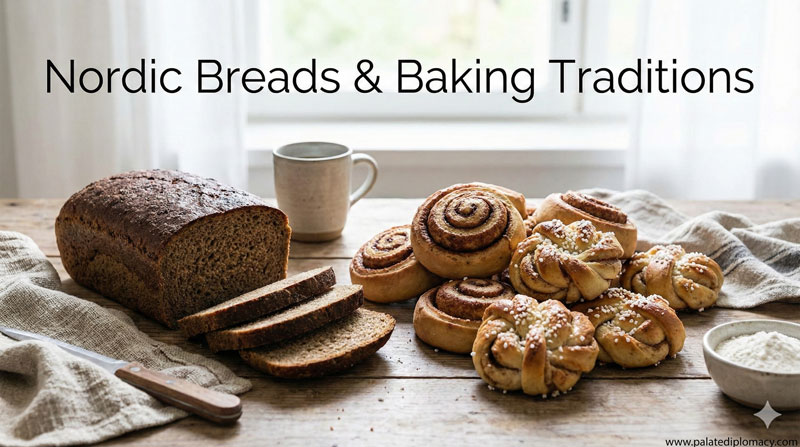
Why Rye Bread Is One of the Most Loved Nordic Dishes
Rye bread holds a special place in Nordic kitchens. It is more than a loaf; it is a steady companion in daily life, a symbol of patience, and a bridge between generations. This post explores the cultural value and culinary significance of rye bread, inviting readers to savor its role in food traditions across Nordic countries. The goal is to celebrate texture, flavor, and shared rituals with warmth and clarity.
The Grain and the Land
Rye grows well in cooler climates and poorer soils, where wheat may struggle. In Nordic regions, rye becomes a dependable staple. It adapts to long, cool growing seasons and yields a sturdy grain for bread. The result is a loaf with a distinct density and a rich, earthy aroma. Fermented dough learns from rye’s natural character. The grain carries a subtle tang that signals a long, careful maturation. This connection to the land makes rye bread feel rooted in place and season.
The Craft of Nordic Rye Bread
Making rye bread is a craft that blends science and intuition. The dough relies on rye flour and a levain or starter that carries the memory of past bakes. Fermentation unfolds slowly, and time becomes a crucial ingredient. The loaf develops moisture and a slightly sour note that gently complements its deep, nutty flavors. Kneading is deliberate but not heavy; shaping emphasizes a compact crumb and a robust crust. The crust crackles softly and invites a bite that reveals a moist interior. Bakers often adjust hydration, oven temperature, and baking time to honor the rye’s unique structure. The process itself feels Like a quiet ritual that honors tradition and attention to detail.
A Daily Presence on Nordic Tables
Rye bread anchors everyday meals with steadfast reliability. It accompanies a wide range of toppings, from simple butter and a pinch of salt to creamy cheeses and smoked fish. In many homes, a slice or two appears at breakfast, lunch, and even as a comforting late-afternoon snack. Open-faced sandwiches, a familiar Nordic form, showcase rye’s versatility. These small, open sandwiches hold vibrant toppings with balance and grace. The bread’s texture supports bold flavors without overpowering them. Its aroma invites curiosity and encourages a mindful tasting experience. This everyday presence helps rye bread become both familiar and beloved.
Regional Varieties Across the Nordic Countries
Across Denmark, Sweden, Norway, Finland, and Iceland, rye bread wears many colors and textures, yet keeps a common soul. In Denmark, dense loaves with a glossy crust often pair with soft, creamy toppings. In Sweden, rye bread may appear darker and moister, offering a sturdy base for hearty bites. Norway showcases loaves with a crisp crust and a deep, earthy interior, ideal for rich toppings. Finland emphasizes rye’s resilience in longer fermentation and sometimes yields a bread that remains soft yet substantial. Iceland, with its cool climate and sea-salted atmosphere, celebrates rye in ways that align with its crisp air and simple, pure ingredients. Each variation reflects local preferences while honoring shared techniques and cultural meaning. The result is a spectrum of rye bread that feels cohesive, yet personal to each kitchen.
Pairings, Flavors, and Culinary Significance
The flavor profile of rye bread is its own invitation. Earthy, mildly sour, and nuanced with a hint of sweetness, it blends beautifully with dairy, fish, pickles, and herbs. Butter acts as a smooth counterpoint, while a slice of cheese offers a creamy contrast. Dill, chives, or parsley can lift the loaf with fresh brightness. Smoked salmon, herring, or trout become luxurious toppings that showcase rye’s sturdy support. For a heartier bite, layer with roasted vegetables or a savory spread. The bread’s texture helps hold toppings together, making every bite balanced and satisfying. This versatility reinforces rye bread’s cultural weight: it is a reliable, adaptable canvas for seasonal flavors and regional specialties.
The Social Rhythm of Baking
Baking rye bread often follows a favorable rhythm. Families, bakeries, and communities share methods and timing, fostering a sense of companionship around the oven. A shared recipe can travel from one household to another, growing richer as it passes through hands. Seasonal baking, whether for holidays, harvest time, or family gatherings, reinforces rye bread as a thread that links meals and memories. The ritual of watching dough rise, smelling the crust form, and tasting the first warm slice forms a gentle culture of care. In this way, rye bread becomes more than sustenance; it becomes a quiet practice of togetherness and respect for craft.
Cultural Value and Historical Reverence
Rye bread embodies patience, practicality, and a love for simple ingredients crafted with care. Its presence in homes signals warmth, welcome, and nourishment. The loaf invites slow, mindful eating, inviting people to notice texture, aroma, and finish. The cultural value rises from everyday use and from shared moments around the table. It honors elders who baked before us and mentors who teach new bakers. In its steady form, rye bread reflects a culture that values tradition, quality, and the beauty of daily ritual.
A Reminder of Craft and Community
In Nordic kitchens, rye bread reminds us that great foods often come from gentle attention and steady practice. The loaf shows how fermentation, patience, and skill can elevate simple ingredients into something memorable. It celebrates community through shared meals, family recipes, and the welcoming gesture of offering a slice to a guest. By recognizing its culinary significance, we honor the artistry in baking and the quiet elegance of Nordic Food Culture.
Conclusion
Rye bread is one of the most loved Nordic dishes because it blends land, craft, and daily life into a single, enduring loaf. Its earthy flavor, sturdy texture, and open invitation for toppings make it a versatile staple. The bread’s cultural value grows as families pass down recipes, bakers refine techniques, and communities celebrate seasonal baking. In every crumb, rye bread tells a story of patience, place, and shared nourishment. Embrace its beauty, and you join a long, warm tradition that continues to shape Nordic food culture with grace and welcome.