
What Makes Samosa Chaat So Special in Pakistan
Samosa chaat stands as a bright thread in the everyday fabric of Pakistani dining. It is more than a snack; it is a celebration of color, texture, and community. The dish invites people to pause, share a moment, and enjoy a small ceremony of flavors. Its appeal travels from bustling street stalls to cozy home kitchens, always rooted in the same idea: generosity through food.
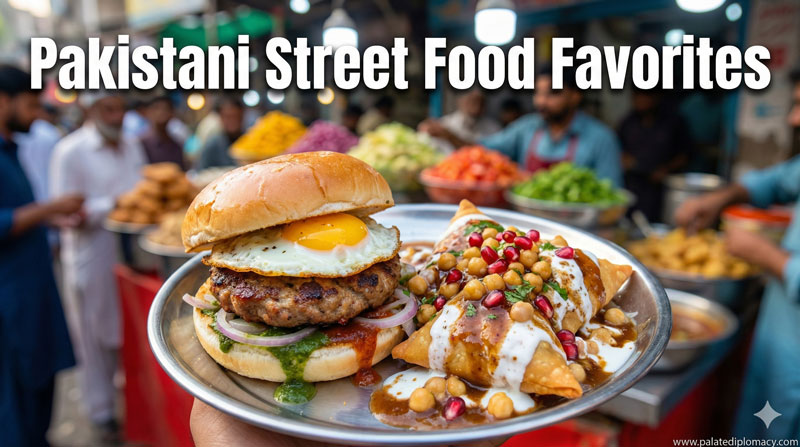
The magic begins with the simple. A crisp samosa is hollowed and layered with soft potato filling. Then the plate welcomes a chorus of toppings. Tangy tamarind chutney meets bright mint chutney. A cool swirl of yogurt adds balance. Finally, orange sev and chopped herbs brighten the top. The result is a dish that surprises the palate with contrast and harmony. This balance is a hallmark of its cultural value.
What Makes the dish particularly Pakistani is the way its flavors mirror the local palate. Sweet and sour notes mingle with heat and earthiness. The air around a vendor is filled with fresh herbs and citrus. The experience feels fresh, quick, and joyful. It is food designed for sharing, conversation, and a sense of belonging. In this way samosa chaat becomes a small yet powerful expression of hospitality.
The cultural value of samosa chaat rests on accessibility. Ingredients are familiar to most cooks and street vendors alike. This accessibility creates a sense of equity at the table. People from many backgrounds can connect through a single plate. The dish travels across communities, linking family meals with public markets in a shared celebration of flavor.
The Harmony of Textures and Flavors
Samosa chaat thrives on a balance of sensations. First, the crunch of the samosa provides an immediate surprise. Next, the soft, seasoned potato inside adds warmth and comfort. Then comes the tang of tamarind and the brightness of mint chutney. A cooling layer of yogurt smooths the heat and acidity. Finally, the crisp sev on top adds a final crackle.
This texture play mirrors a broader culinary philosophy. Pakistani cuisine often blends crisp, creamy, and fresh elements in one dish. The same philosophy appears in other chaats and snacks, but samosa chaat elevates it through structure. Its layers invite the senses to move together rather than in isolation. The result is a dish that feels taught by tradition yet refreshed by daily cooking.
The flavor profile also reflects regional pantry staples. Tamarind brings a deep, fruity sourness; pomegranate seeds and a pinch of chaat masala offer a kiss of sweetness and warmth. Fresh cilantro and onions add aroma and bite. Each component is deliberate, yet the combination feels spontaneous and inviting. The dish invites a second bite, then a third, with ease.
A Cultural Spotlight: Shared Moments and Social Rituals
Samosa chaat is a social ritual as much as a culinary one. Vendors set out their display boxes, bowls, and spices with care. Customers slow down to watch the assembly, exchange smiles, and choose their preferred decorations. The moment is casual, but it carries a sense of ceremony—an everyday theatre of flavors and friendship.
Families often share samosa chaat after a long day. It becomes a convenient, comforting option for visitors and neighbors. A plate passed around the table is a gesture of warmth. Conversations bloom as the dish is enjoyed, with stories about the day mingling with rations of chutney and yogurt. In markets, the dish acts as an edible meeting point where all ages participate in the same ritual. The result is a living tradition, one that reinforces social bonds through food.
The craft of assembling samosa chaat also becomes a family rite. Elders teach younger cooks how to balance sweet, sour, and spicy notes. They show how to place chutneys, how much yogurt to pool, and how to sprinkle sev just so. These small lessons carry forward, shaping tastes and memories across generations. Hospitality shines in these moments, through careful serving and generous portions.
Regional Varieties Across Pakistan
Across the country, local tastes shape the classic samosa chaat. In busy northern cities, sharper tang and a touch more heat are common, reflecting bolder spice preferences. In southern markets, sweeter chutneys and a brighter yogurt tone blend with milder chaat masala. Each city adds its own signature twist while preserving the core idea: a harmonious stack of textures and flavors on a shared plate.
Lahore often emphasizes a bright, zippy finish. Chutneys lean toward lively acidity, and the toppings arrive in generous, colorful layers. Karachi showcases a robust depth of flavor, with a slightly richer yogurt and a pronounced crunch from sev. Multan tends to highlight earthy warmth, balancing potato filling with a gentle smoky note from toasted spices. These regional differences celebrate diversity within unity, a common thread in Pakistani Food Culture.
Even within households, small adjustments reflect family traditions. Some families prefer extra chopped onions for bite, others favor more pomegranate seeds for a jewel-like finish. Such variations demonstrate that samosa chaat is more than a fixed recipe; it is a adaptable expression of local memory and preference. The dish accommodates these personal touches while keeping its shared identity intact.
The Craft of Chaat: Freshness and Balance
The artistry of samosa chaat lies in freshness and balance. Fresh samosas ensure crisp edges that crackle at each bite. Fresh yogurt provides a cooled counterpoint to the bright chutneys. Fresh herbs brighten the entire plate, lifting the flavors without overpowering the other elements.
Careful balance is essential. Too much tamarind can overwhelm; too little yogurt can leave the plate harsh. Vendors and home cooks alike learn to read the plate, adjusting portions to achieve harmony. This attention to balance reflects a broader culinary ethic: respect for ingredient integrity while inviting contrast.
Presentation matters as well. A neat arrangement, a light dusting of chaat masala, a sprinkle of sev, and a final scatter of fresh coriander elevate the dish. Visual appeal enhances appetite and signals hospitality. The plate becomes a small work of art, inviting conversation and shared enjoyment.
Samosa Chaat and Everyday Hospitality
Hospitality is at the heart of samosa chaat. The dish circulates in social spaces—from markets to homes to neighborhood gatherings—bringing people together around a common plate. It offers a sense of welcome, a shared moment of pleasure, and a way to nourish conversation as much as bodies.
Hosting friends or neighbors often means offering samosa chaat as a quick, generous option. The act of serving itself communicates care. The flavors become a language of warmth, turning a simple street-food snack into a meaningful gesture. In this light, samosa chaat is not just eaten; it is experienced as a generous act.
The dish also supports daily rituals. It pairs nicely with tea, a common companion in many households. The combination of hot tea and cool yogurt creates a comforting rhythm that accompanies conversations, stories, and laughter. Through these routines, samosa chaat anchors a welcoming, inclusive space where people feel at home.
Mindful Appreciation: Savoring the Dish
To appreciate samosa chaat fully, take a moment to notice its components and how they interact. Listen to the crunch as the samosa yields under pressure. Smell the mint and tamarind, the way they awaken the senses. Taste the blend of spicy, sour, sweet, and creamy notes in one thoughtful bite.
Cherish the textures as they appear—the crisp shell, the soft potato, the smooth yogurt, the granular sev. Observe how colors combine on the plate: the golden brown, the white, the green, and the red-brown chutneys. Recognize the care behind each garnish, each choice of ingredient, and the balance achieved through thoughtful preparation.
Samosa chaat invites a patient, attentive palate. It rewards those who savor rather than rush. This slow enjoyment aligns with the idea that food is a bridge between people, a shared ritual that honors both taste and tradition.
Samosa chaat in Pakistan is a celebration of everyday culture. It blends texture, color, and flavor into a dish that invites conversation and sharing. It reflects regional tastes while remaining open to personal touch. It stands as a testament to hospitality, creativity, and community. For those who approach it with curiosity and respect, samosa chaat reveals the beauty of a cuisine that finds joy in simple, well-prepared food.