
Introduction
This post introduces the dish “How Seasonal Nordic Tasting Menus Became Popular in Nordic Cuisine” and explores its cultural value and culinary significance. The focus is on beauty, craft, and the way a season-driven approach shapes the dining experience. This exploration stays grounded in appreciation for local ingredients, thoughtful technique, and the ways a menu can reflect the rhythm of the year. It is a celebration of taste, texture, and the shared moments that arise around a carefully planned tasting journey.
What the dish embodies
At its core, this concept showcases a progression of courses built around the natural calendar. Each plate speaks of a moment in time: spring shoots and fresh greens, early-summer seafood and berries, autumn mushrooms, winter roots and slow-preserved flavors. Chefs design the sequence to reveal contrasts and connections, guiding the palate from bright, crisp notes to deeper, comforting tones. The result is not merely a meal; it is a mapped experience of the Nordic seasons, presented with clarity, restraint, and reverence for seasonal abundance.
The seasonal philosophy in Nordic cuisine
The season-first philosophy emphasizes place and time over technique alone. Dishes arise from what the land and sea offer in a given period. This creates a living menu that changes with the year. Consequently, chefs cultivate relationships with local farmers, foragers, and fishers to align the kitchen with harvests and tides. The emphasis on seasonal ingredients fosters trust in quality and location. Diners experience the sense that food is a shared conversation between growers, cooks, and guests.
The role of local producers and craftsmanship
Local producers anchor the cuisine in trust and consistency. Small farms, coastal fishmongers, and foraging networks supply ingredients that carry the character of their place. In turn, chefs honor that character through precise preparation and thoughtful minimalism. The dish becomes a celebration of craftsmanship: careful sourcing, gentle handling, and respectful presentation. This collaboration creates a culinary culture that values sustainability, traceability, and the joy of seeing ingredients at their peak.
Technique, balance, and presentation
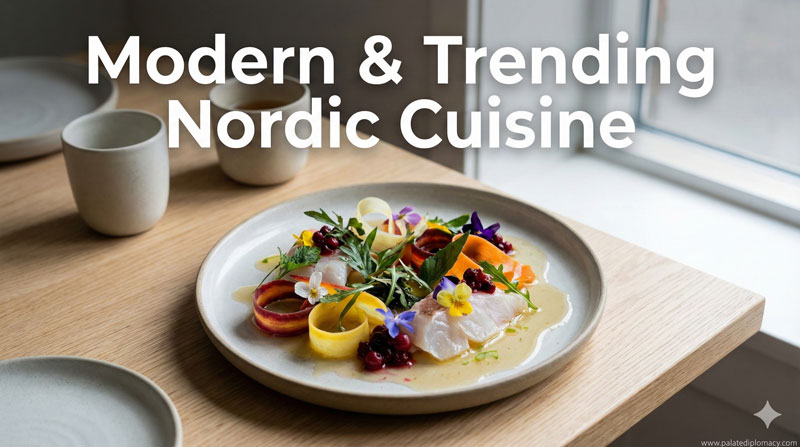
Seasonal Nordic tasting menus favor balance over excess. Techniques are chosen to showcase ingredient personality rather than mask it. Gentle fermentation, delicate curing, light smoke, and careful preservation extend the reach of a season’s flavors. Plating emphasizes clean lines, color harmony, and textures that invite contrast. The overall effect is a poised, modern expression of regional taste rather than a showy display of skill. Diners are invited to notice the quiet drama of textures and the way a familiar ingredient reveals new facets when prepared with seasonal intent.
The dining experience as cultural practice
The tasting menu creates a mindful dining ritual. Each course offers a moment to pause, observe, and savor. Clear transition words in the kitchen mirror the journey at the table: first bright, then mellow, finally contemplative. This structure supports a calm, focused atmosphere where conversation links to the flavors being tasted. In Nordic cultures, such pacing aligns with a culture of comfort, shared enjoyment, and appreciation for well-made food. The dish thus helps preserve a dining etiquette that values presence, conversation, and gratitude for the season’s gifts.
Social and regional resonance
Across Nordic regions, seasonal tasting menus serve as a unifying thread that still respects local differences. One region might emphasize coastal aromatics and kelp accents; another may highlight forest mushrooms and wild herbs. Yet all share a common aim: to translate seasonality into a tangible, culinary narrative. This shared approach strengthens regional food identity while inviting guests to explore the nuances that make each place distinct. The result is a culturally enriching experience that honors both variety and continuity.
The cultural value for home cooks and chefs alike
For chefs, these menus offer a framework for creative planning and seasonal discipline. They become a yearly calendar of inspiration, prompting experimentation with new ingredients each season. For home cooks, the philosophy invites a more attentive pantry approach: knowing what’s in season, choosing ingredients with care, and cooking with respect for time and place. The dish acts as a bridge between professional kitchens and home kitchens, encouraging reverence for seasonal cycles and the beauty of simple, well-executed dishes.
Culinary significance across the Nordic palate
The seasonal tasting approach has helped shape a broader understanding of Nordic cuisine as contemporary and global while maintaining a strong regional voice. It demonstrates that modern cooking can be deeply rooted in place without losing curiosity or openness to new ideas. This balance—honoring tradition while embracing innovation—gives Nordic cuisine its distinctive flavor profile: bright acidity, clean mineral notes, subtle sweetness, and a refined sense of restraint. The dish highlights how a region can evolve without abandoning its core culinary language.
How to appreciate the dish today
To savor this concept fully, approach the tasting with curiosity and patience. Observe how each course mirrors a season and how transitions connect flavors and textures. Note the interplay of acidity, sweetness, salt, and fat, and how these elements carry the voice of the ingredients. Consider the craftsmanship behind each plate—the sourcing, the timing, the plating—and allow the overall arc to guide your mood through the meal. In doing so, you participate in a living tradition that celebrates nourishment, place, and shared meals.
Bringing the season into everyday cooking
Even without a formal tasting menu, you can bring the seasonal Nordic approach home. Start with a simple plan: map the seasons in your region, select a small set of ingredients for each period, and design a few paired courses that showcase those ingredients. Focus on fresh, high-quality components and let natural flavors shine. Pair with light textures for spring and summer, richer textures for autumn and winter. This practice cultivates appreciation for growers, markets, and the cycles that shape your table.
Conclusion
How Seasonal Nordic Tasting Menus Became Popular in Nordic Cuisine is more than a dining trend. It embodies cultural values of place, season, and thoughtful craftsmanship. It invites diners to slow down, observe, and celebrate the year through food. The dish stands as a testament to how cuisine can reflect nature’s rhythms while supporting local producers, sustaining culinary creativity, and enriching the shared table. In this light, the dish is a living celebration of Nordic Food Culture, inviting everyone to taste the season with curiosity and respect.