
Discover the Rich Flavors of Shiro Wat
Shiro Wat Is a fragrant Ethiopian stew built on ground chickpeas or chickpea flour. It blends sweetness from onions with warmth from spices, yielding a creamy, comforting sauce. The dish is both simple and deeply expressive, reflecting everyday life and hospitality. When placed beside injera, it becomes a part of a larger ritual of sharing, conversation, and connection.
Cultural Value of Shiro Wat
Shiro Wat sits at the heart of Ethiopian meals as a symbol of generosity and welcome. It is a dish that families prepare for ordinary days and special moments alike. Its presence on the table signals hospitality and care. The preparation often involves patient, attentive steps that celebrate time together in the kitchen. In many homes, a pot of Shiro Wat invites guests to linger, to speak, and to savor slowly.
In Ethiopian culture, meals are a social practice as much as a source of energy. Shiro Wat supports that practice by offering a gentle, creamy texture that invites dipping with injera. The act of sharing a single platter reinforces a sense of community. This sharing reinforces trust, warmth, and a sense of belonging around the table.
Shiro Wat also connects to seasons and rhythms of life. It appears in everyday cooking and during gatherings, fasts, and feasts. Its vegetarian heart during fasting periods is a reminder of abundance and restraint, and it remains accessible to many households. In this way, Shiro Wat embodies a balanced approach to food: hearty, nourishing, and communal.
Culinary Significance and Craft
The culinary value of Shiro Wat lies in its harmony of texture, aroma, and spice. The dish is creamy yet light, with a velvet mouthfeel that coats the palate. The onion base builds sweetness and depth, while spices awaken the aroma without overwhelming the chickpea flavor. Berbere, garlic, and ginger often mingle with a hint of warming spices, delivering a gentle heat that lingers pleasantly.
Technique matters as much as ingredients. A slow, patient simmer allows the chickpea flour to thicken the sauce naturally, creating a smooth, almost custard-like texture. Balancing moisture is essential: too thick, and the dish feels dense; too thin, and it loses its character. The timing between sautéing onions and adding spices is crucial to unlock sweetness, fragrance, and color.
Shiro Wat also demonstrates the beauty of minimalism in cooking. A few sturdy ingredients combine to create a powerful flavor profile. The dish teaches that depth can come from careful preparation and thoughtful layering, not from an abundance of components. When cooked with care, Shiro Wat expresses terroir in a spoonful—the character of a kitchen, a family, and a land.
Ingredients, Flavors, and Preparation
Core ingredients anchor the dish. The following list reflects a traditional approach, though homes often tailor it to taste and availability:
- Ground chickpeas or chickpea flour
- Onions, finely chopped
- Garlic and ginger
- Berbere spice mix
- Niter kibbeh (spiced clarified butter) or neutral oil
- Water or vegetable broth
- Salt to taste
- Optional: ground coriander or cumin for subtle depth
Preparation steps highlight technique over complexity. Begin by sautéing onions until they glow with sweetness. Add garlic and ginger, then the berbere. Stir to awaken the spices and form a fragrant paste. Gradually whisk in chickpea flour or ground chickpeas, then pour in water or broth while stirring to avoid lumps. Simmer gently until the mixture thickens to a creamy sauce. Finish with a small amount of niter kibbeh or oil to shine the surface and lift the aroma. Taste and adjust salt, spice, and thickness as needed.
Serving suggestions center on injera. Tear a piece of injera and use it to scoop the Shiro Wat, letting the bread soak slightly before each bite. The pairing invites a tactile, shared experience—bread, sauce, and conversation intersecting at the table.
How Shiro Wat Is Traditionally Served
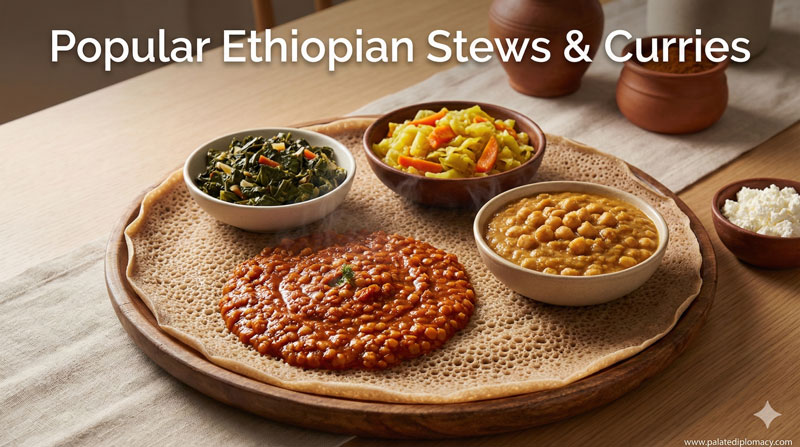
Traditionally, Shiro Wat appears on a large communal plate or bowl, surrounded by injera. Diners tear pieces of injera and scoop the stew, enjoying bites in sequence and pausing to appreciate the aroma and texture. The dish is welcoming to both seasoned cooks and newcomers, offering a straightforward path to a satisfying meal. The shared eating style emphasizes equality at the table and a sense of togetherness.
Side accompaniments can complement Shiro Wat. Fresh salads, pickled vegetables, or simple lentil stews may flank the main dish in a banquet setting. Yet the star remains the silky Shiro Wat, inviting guests to slow down and savor.
Regional Variations
Across regions, cooks adapt Shiro Wat to local tastes and pantry staples. Some versions lean into a richer, butter-forward finish with more niter kibbeh, while others emphasize a lighter, tomato-tinged sauce or a milder spice level. The texture may vary from ultra-smooth to softly grainy, depending on whether chickpea flour is whisked in carefully or lentils are ground to a fine meal.
Spice balance also shifts with local preferences. Berbere levels can be more or less bold, and additional herbs or spices might appear in family recipes. These variations reflect the creativity and memory of cooks who adapt a traditional dish to their kitchen, while preserving its core identity: a creamy, comforting stew that centers nourishment and sharing.
Pairings, Hospitality, and Enjoyment
Shiro Wat shines when paired with the right accompaniments. Injera remains the natural partner, its tangy flavor and spongy texture enhancing the creaminess of the sauce. For beverages, a refreshing, light tea or a mild, fruity drink complements the dish without overpowering its delicate spice.
The experience of sharing Shiro Wat also speaks to hospitality. Offering generous portions and encouraging guests to dip and return for another bite signals warmth and welcome. The dish invites lively conversation and relaxed pace, allowing guests to appreciate both taste and togetherness.
Quick Tips for Home Cooks
- Toast spices lightly to awaken aroma. This simple step makes a significant difference in depth of flavor.
- Add chickpea flour gradually while stirring to avoid lumps. A whisk helps achieve a smooth texture.
- Use a gentle simmer. Rapid boiling can break the sauce and reduce the creamy feel.
- Adjust thickness with water or broth. Aim for a sauce that clings to injera without being heavy.
- Finish with a touch of fat (niter kibbeh or oil) for shine and aroma.
- Taste and adjust salt at the end. The bread often adds a tangy component that affects seasoning.
Conclusion: A Dish of Warmth and Hospitality
Shiro Wat embodies warmth, simplicity, and care. Its cultural value lies in the way it brings people together around a shared plate, inviting conversation, laughter, and a sense of belonging. Its culinary significance rests on the way a few ingredients can yield a creamy, comforting experience that echoes everyday life and celebration alike. By welcoming Shiro Wat into the kitchen, you invite a piece of Ethiopian food culture into your home—a dish that speaks softly of kindness, community, and the joy of good food shared well.