
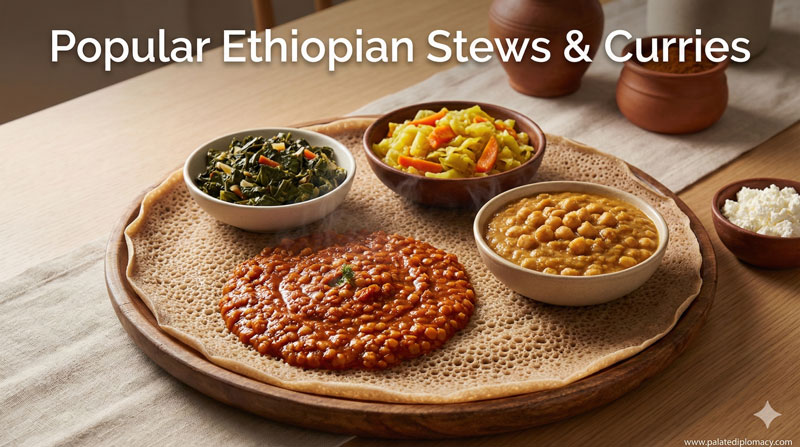
Discovering Shiro Wat: A Window into Ethiopian Culinary Culture
Shiro Wat Is a beloved Ethiopian dish that invites warmth, conversation, and shared spoons. This thick, velvety stew centers on ground chickpeas or chickpea flour, enriched with onions, garlic, berbere spice, and clarified butter or oil. The result is a comforting, aromatic sauce that glows with color and depth. It is both everyday fuel and a dish welcomed at special gatherings, a true reflection of the country’s rich culinary heritage.
What is Shiro Wat?
Shiro Wat is formed from simple ingredients brought to life by patient technique. Chickpeas are ground into flour or used as a paste, then simmered with onions caramelized to sweetness. Berbere, a fragrant blend of chili, garlic, and warming spices, provides gentle heat and complexity. Ginger, garlic, and a touch of salt lift the flavors, while niter kibbeh or oil binds the sauce to a silky finish. The texture ranges from smooth to slightly grainy, always inviting for scooping and savoring. Shiro Wat is commonly served with injera, the spongy sour flatbread that acts as both plate and utensil, turning each bite into a celebration of texture and taste.
A Pillar of Ethiopian Table: Cultural Value
Shiro Wat stands at the heart of Ethiopian meals. It appears in family kitchens, festive feasts, and daily menus alike, offering nourishment with grace. The dish embodies hospitality: too little would feel incomplete, while a generous pot invites guests to linger and share. Its preparation often unfolds with family members contributing—one friend stirs, another guards the simmer, and a elder offers a story or memory. In this way, Shiro Wat becomes more than a dish; it is a thread that connects generations through flavor, aroma, and the ritual of eating together.
The Craft of Shiro: Culinary Significance
The beauty of Shiro Wat lies in its careful technique. First, spices are toasted to awaken their aroma, then blended into a paste or whisked into flour. Next, onions are sautéed until golden and sweet, laying a fragrant foundation. Then the chickpea flour or paste joins the pot, thickening as liquid is added. Finally, the mixture simmers slowly, developing a glossy, creamy texture that clings to injera. Each step highlights balance: heat that builds depth, fat that carries the spices, and time that unveils a mellow, nutty sweetness. The result is a dish that showcases restraint and patience as elements merge into a cohesive, memorable flavor.
Shiro and Injera: A Harmonious Pairing
Shiro Wat shines when paired with injera. The bread’s tangy, airy surface soaks up the sauce, creating a lively contrast of sour and savory. As you pinch a portion of injera and scoop up Shiro Wat, you experience a choreography of textures: smooth, creamy sauce meeting a soft, porous sponge. This pairing elevates both components and highlights the cultural practice of communal eating. It is common for friends and family to gather around a shared platter, chatting and enjoying the rhythm of the meal as it unfolds.
Regional Varieties and Adaptations
Across regions and households, Shiro Wat can take on small, personal variations. Some cooks prefer a milder version that emphasizes the chickpea sweetness, while others welcome a touch more heat with extra berbere or fresh chilies. Some cooks enrich the dish with a handful of garlic cloves or a hint of ginger for brightness. While the core remains chickpeas and spices, these nuances reveal the creative spirit of Ethiopian cooks and the dish’s adaptability to different tastes and occasions. Regardless of the variant, the essence remains intact: a comforting, deeply flavorful stew designed to be shared.
A Simple Home Experience: Quick Guide
- Ingredients: chickpea flour or ground chickpeas, onions, garlic, berbere, oil or niter kibbeh, water or stock, salt.
- Toast spices gently to awaken aroma.
- Sauté onions until golden and sweet.
- Stir in berbere and chickpea flour or paste.
- Add water or stock; simmer until thick and glossy.
- Finish with a touch of salt and fat for richness.
- Serve with injera and enjoy the communal moment.
Celebrating Shiro Wat: The Beauty of Ethiopian Culinary Culture
Shiro Wat is more than a dish; it is a thread through Ethiopian food culture. It speaks of hospitality, careful preparation, and the pleasure of sharing. The dish invites cooks to honor simple ingredients and patient cooking, revealing how a few humble elements can become something deeply memorable. Whether enjoyed in a quiet kitchen or at a festive table, Shiro Wat invites curiosity, respect, and appreciation for the artistry of Ethiopian Cuisine.
If you seek a dish that embodies warmth, tradition, and the joy of gathering, Shiro Wat offers a welcoming path. Its cultural value rests in the stories, smiles, and sensations it inspires, making every bowl a small celebration of food, family, and flavor.