
Discovering the Rich Flavors of Shiro Wat
Shiro Wat Is a creamy, fragrant stew from Ethiopia. It centers on ground chickpeas, roasted spices, and a gentle simmer. The dish welcomes the senses with warmth, depth, and a comforting texture. It shines on the table with injera, the sour flatbread that acts as both plate and utensil. Together, they tell a story of care, craft, and shared meals.
A Window into Ethiopian Culinary Culture
Food in Ethiopian culture often brings people together. Shiro Wat embodies this spirit. It is crafted with patience, from grinding legumes to slow cooking widens the aroma. It is commonly prepared for everyday meals and festive gatherings alike. The dish invites conversation, laughter, and connection around a shared spread. Culture here lives in the kitchen as much as at the table.
Ingredients, Craft, and Aromas
The base is simple and generous. Finely ground chickpeas form a silky foundation. Onion, garlic, and ginger add warmth and brightness. A mix of spices—often berbere or a milder blend—lends heat and depth. Oil or niter kibbeh carries the fragrances, while water or stock guides the simmer. The result is a thick, velvety sauce that clings to each piece of injera. The preparation honors tradition, yet welcomes careful adaptation in Modern kitchens.
The Flavor Journey: Texture and Taste
Shiro Wat delivers a balanced, comforting profile. It offers earthy chickpea richness with a nutty undertone from roasted spices. The heat, if present, is gentle and well-integrated. The dish remains creamy and smooth, never heavy, with a bright, savory finish. The texture is a key note: spoonable, luscious, and ready to soak into the tang of injera. Each bite reveals layers that come alive as the sauce mingles with the bread.
Sharing at the Table: Etiquette and Community
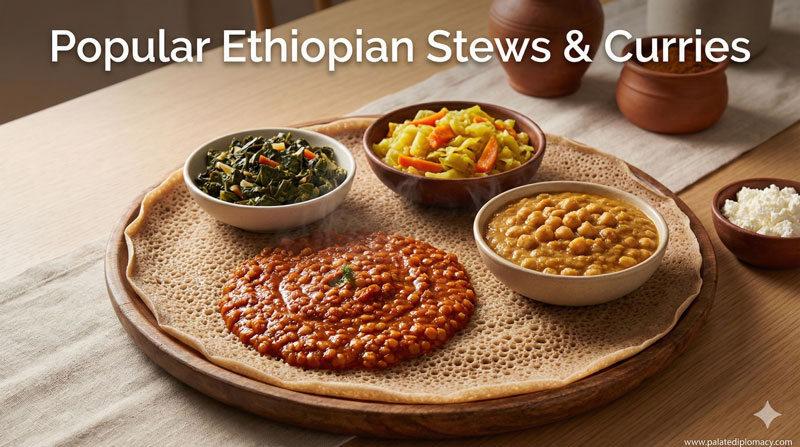
Serving Shiro Wat is a social act. A large platter or communal bowls invite everyone to gather around. Diners tear pieces of injera and use them to scoop the stew, turning the meal into a tactile, interactive ritual. The act of sharing reinforces a sense of belonging and generosity. It is a moment to slow down, savor the flavors, and appreciate the skill behind the simmer and seasoning.
Regional Nuances and Modern Styles
Across regions, Shiro Wat takes on subtle distinctions. Some households favor a bolder spice mix, others a milder, creamier finish. Thickness varies with the amount of chickpea flour or how long the stew reduces. In contemporary dining, chefs may present Shiro Wat with a delicate balance of traditional spice and modern texture. This flexibility keeps the dish lively while honoring its heritage and core flavors.
The Enduring Value of Shiro Wat
Shiro Wat stands as a testament to culinary craft and cultural memory. It celebrates simplicity that becomes grand through careful technique. It honors the practice of sharing and the joy of a meal prepared with care. For both cooks and diners, the dish offers a bridge between daily nourishment and a deeper appreciation of Ethiopian food culture. It is inviting, respectful, and profoundly satisfying—a true expression of the beauty of traditional cooking.
If you’re exploring Ethiopian cuisine, invite Shiro Wat onto your table. Let its creamy richness and gentle spice reveal the warmth at the heart of Ethiopian dining.