
The Story Behind Shiro Wat
Shiro Wat Is a beloved Ethiopian dish that centers on shiro, a silky chickpea flour stew. It arrives at the table with a warm aroma, a comforting brightness, and a quiet confidence that comes from simple ingredients treated with care. This dish speaks to the heart of everyday hospitality: a bowl shared with family or friends, nourished with patience, and enjoyed in a spirit of welcome. The Story of Shiro Wat is a story of texture, aroma, and the joy of eating together.
In many kitchens, shiro is more than food. It is a respectful ritual of preparation that families repeat with little variation but deep meaning. The dish invites cooks to slow down a little, to let onions soften, spices bloom, and the flour become a smooth, velvety sauce. When served with injera, the meal becomes a graceful conversation between bread, sauce, and hand, a gentle rhythm that has become a steady part of daily life.
Ingredients that Speak of Tradition
The cornerstone is shiro powder or fine chickpea flour, roasted to a warm, nutty aroma. That powder blends with onions, garlic, and ginger to form a soft foundation. A touch of tomato adds color and brightness, while berbere spice brings warmth and depth. Oil or a slender amount of clarified butter is used to carry the flavors and help the sauce cling to each bite. Salt rounds out the balance, and water or stock loosens the mixture just enough to create a smooth, spoonable texture.
Every cook may have a small variation, but the essence stays the same: a humble ingredient list that yields comfort and character. Shiro is naturally gentle for many palates, yet the spice blend can glow with personality. The result is a sauce that carries both the modesty of daily meals and the confidence of a dish perfected through practice.
The Craft: Technique and Texture
The method is a sequence of careful steps that reward attention:
- Start by sautéing onions in oil until they are golden and sweet.
- Add garlic and ginger, stirring until their fragrance rises with the heat.
- Bloom the spices by warming in the oil; berbere releases its warmth and depth.
- Pour in water or stock to form a soft, simmering base.
- Whisk in the chickpea flour gradually to avoid lumps, then continue to simmer until the mixture thickens into a glossy, spoonable sauce.
- Finish with a pinch of salt and a final stir to invite the flavors to mingle.
This gentle simmering invites a luxe texture: smooth, velvety, and enough body to kiss the surface of injera without being heavy. The cooking pace rewards patience, turning routine preparation into a small act of care.
Flavor, Aroma, and Comfort
Shiro Wat offers a balanced profile: nutty and slightly sweet from the chickpea base, warm from the spices, and bright from onions and tomato. The aroma is inviting—onions caramelizing, spices blooming, and the subtle richness of the fat carrying each note. The texture is creamy yet light, a perfect partner to the soft tang of injera. Each bite feels comforting and polished, a reminder that good food can be both simple and soulful.
Shiro Wat at the Table: Cultural Value
Shiro Wat plays a central role in Ethiopian dining as a staple that welcomes all ages. It is a dish you can serve for everyday meals or for a more gathered table, where several dishes may share the space and the moment. Because it relies on pantry staples, shiro is accessible and dependable, often prepared in homes with careful attention to balance and timing.
Its presence around the table reinforces hospitality—an invitation to slow down, to talk, and to savor. The pairing with injera enhances this sense of sharing, as each piece of bread carries a portion of the sauce and invites a moment of communal tasting. In this way, Shiro Wat helps forge a sense of continuity: a link between cooks, ingredients, and the people who sit to enjoy the meal.
Regional Variations and Personal Touches
While the core idea remains steady, cooks add small touches that reflect personal style or regional pantry differences:
- Some versions lean lighter, using less oil and a gentler spice level for a milder finish.
- Others elevate the heat with a bolder berbere blend, offering a richer, spicier glow.
- A few cooks enrich the sauce with a dab of butter or ghee, which adds a glossy texture and a deeper aroma.
- Tomato can be included for brightness, or left out for a purer, more restrained chickpea flavor.
- The base can shift from water to stock, bringing deeper savory notes to the finished dish.
These variations showcase how Shiro Wat can adapt to household preferences while preserving its essential character: a smooth, fragrant, patiently prepared chickpea stew.
Pairings and Serving Ideas
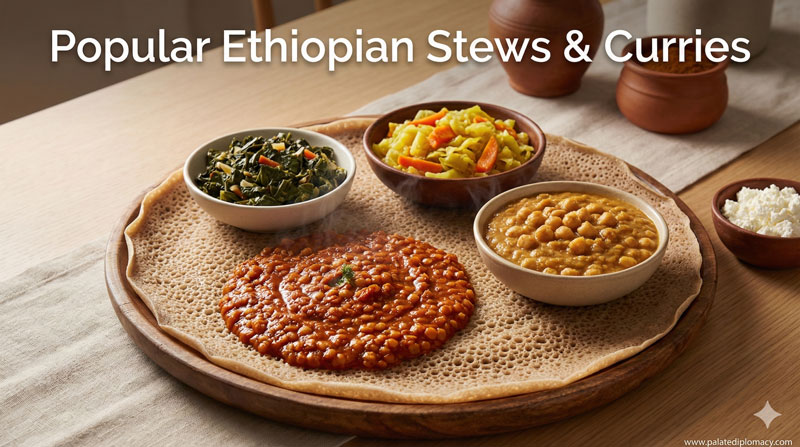
Traditionally, Shiro Wat is enjoyed with injera, the soft, spongy flatbread that acts as both utensil and accompaniment. The act of tearing injera and scooping shiro creates a satisfying, tactile dining experience. A simple tomato-onion salad or fresh greens can provide a crisp contrast to the creamy sauce. A light tea or a mild beverage nearby completes the table without overshadowing the flavors.
This dish also shines as a dependable centerpiece for a modest meal that respects every palate. It pairs well with other vegetarian or lightly seasoned dishes, offering a balanced spread that highlights the beauty of Ethiopian flavors and textures.
A Dish That Welcomes and Nourishes
Shiro Wat stands as a quiet celebration of technique, patience, and shared meals. It invites cooks to honor the ingredients, to attend to the aroma as it grows, and to present a dish that feels both refined and unpretentious. In every bite, the warmth of the kitchen—family, friends, and daily life—comes through clearly. The dish reminds us that great food often arrives from small, intentional steps and a generous spirit at the table.