
The Story Behind Shiro Wat: A Cultural Favorite
Shiro Wat stands as a beloved thread in Ethiopian cooking. It shines not only with its warm aroma but also with the way it brings people to the same table. This dish carries a quiet, everyday elegance, inviting all who taste it to pause, share, and savor.
What Shiro Wat Is: A Creamy Bean Stew
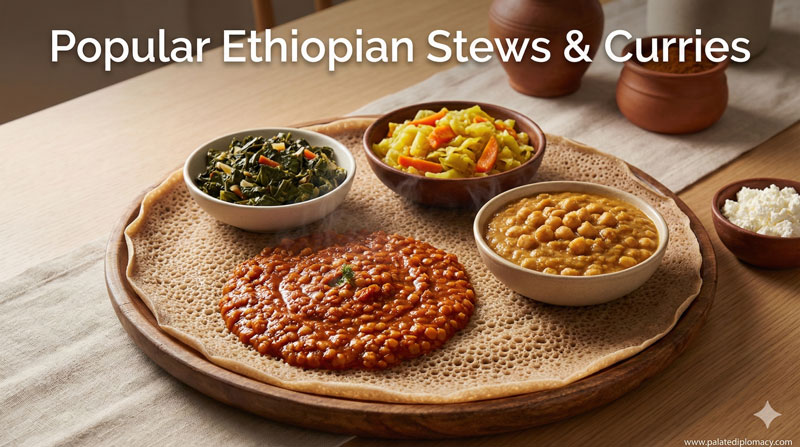
Shiro Wat is a creamy stew built from ground chickpeas or broad beans, blended with a gentle paste of onion, garlic, and spices. Berbere and other pantry spices weave warmth through the pot, while oil or clarified butter adds a mellow richness. The texture remains smooth and spoonable, inviting steady scoops and lingering bites. The customary partner is injera, a sour flatbread that acts as both plate and utensil. Together, shiro and injera create a harmony of flavor and technique that defines much of the meal.
Craft and Technique: The Heartbeat of Preparation
The craft begins with toasting spices to release fragrance, then grinding them into a fragrant powder. Onion and garlic soften slowly, creating a sweet base. Chickpeas or beans are ground to a gritty-smooth paste, then whisked with the spice blend. Water or stock joins the pot, and steady simmering thickens the sauce into a velvet consistency. The cook tastes and adjusts with salt, sometimes a dash of pepper or a touch of tomato for brightness. The result is a dish that speaks of patience, balance, and care in every stir.
The Social Ritual: Serving and Sharing
Serving shiro is a social joy. The pot sits at the center of the table, and injera is torn into warm, flavorful scoops. Diners gather, speak softly, and pass ladles with care. In many homes, meals unfold with a sense of ritual: a brief blessing, the clink of cups, and quiet conversation that grows into laughter. The act of serving becomes a small ceremony, inviting everyone to participate and feel included. This accessibility—shiro’s comfort and injera’s interactive eating—helps shifts in mood feel natural and welcoming.
A Dish for All Seasons: Fasting, Family, and Everyday Life
Shiro shines during fasting periods when food centers on plant-based sustenance. Its protein-rich base supports energy and satisfaction without meat, making it a reliable everyday staple. Yet it also graces festive tables, carried with pride and shared with warmth. Families lean on shiro for quick weeknight dinners and for longer gatherings, where the aroma alone signals togetherness. In this way, shiro becomes a culinary thread that holds every season of life in a gentle, nourishing embrace.
Regional Flavors: Variations That Reflect Local Palates
While the core remains constant, regional touches color the dish. Some cooks heat a touch of chili for subtle heat; others adjust the balance with milder spice blends or sesame seeds. A hint of fenugreek or tomato can brighten the sauce, while a dollop of niter kibbeh adds a buttery depth. Each home preserves A Unique note, yet all share the same spirit: a simple, soulful paste that unites ingredients and people.
Shiro in Modern Ethiopian Dining: A Window into Culture
Today, shiro appears in homes, street kitchens, and restaurants alike. It travels well on busy days and shines in longer feasts. In eateries, chefs honor tradition by keeping the texture creamy and the aroma inviting, while presenting injera in generous, communal portions. The dish also sits beside other staples on the table, offering a bridge between comfort cooking and modern dining. Its timeless appeal lies in its ability to honor memory while inviting new tastes.
Conclusion: The Ongoing Story at the Table
The Story behind Shiro Wat is really a story about shared meals and quiet hospitality. It celebrates legumes transformed by careful technique, in service of nourishment and community. With every bite, it reminds us how food can hold meaning—through texture, aroma, and the simple joy of gathering. Shiro Wat remains a favorite not only for its flavor but for the care it invites us to bring to our own tables.