
The Story Behind Shiro Wat
Shiro Wat stands as a beloved thread in the fabric of Ethiopian cooking. Its story is woven through homes, markets, and kitchens where spices wake the air with warmth. This dish is a quiet celebration of patience, skill, and generosity. When Shiro simmers, it invites people to gather, share stories, and savor a moment of comfort together.
What Shiro Wat Is
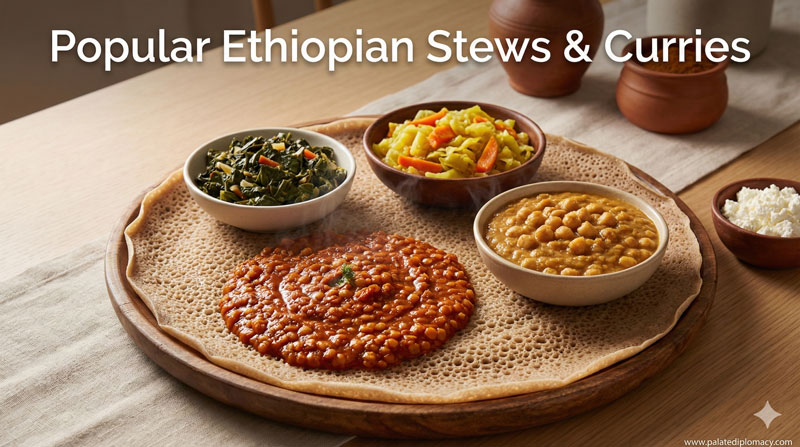
Shiro Wat Is a silky, hearty stew built from ground chickpeas or chickpea flour, slowly transformed with onions, garlic, and a blend of spices. It becomes a velvety paste that clings to injera, the pancake-like bread that accompanies most meals. The aroma blends nutty, earthy tones with a gentle heat from berbere, creating a harmonious balance that feels both familiar and distinct. The dish shines in its simplicity, proving that great flavor can come from few, well-chosen ingredients.
The Craft of Shiro: Ingredients and Technique
The magic of Shiro lies in careful technique as much as in ingredients. A base of onions is sautéed until translucent and sweet. Garlic and ginger often join the mix, releasing fragrant oils. Berbere or a similar spice blend blooms in the pot, awakening the dish with warmth and depth. Then chickpeas are added as a paste or flour, and water or stock is stirred in to achieve a thick, creamy texture. The slow simmer allows flavors to meld, while constant attention prevents sticking and keeps the stew smooth. The result is a dish that feels both rustic and refined, with a glossy finish and a comforting, hearty mouthfeel.
Cultural Value: Hospitality and Shared Meals
Shiro Wat embodies hospitality in its purest form. It is the kind of dish prepared with care for guests arriving at the table, signaling a welcome and an open heart. Families often prepare Shiro to nourish many mouths, turning meal times into rituals of sharing and togetherness. Its preparation teaches patience, as spices bloom and flavors deepen with time. In every spoonful, there is a memory of community, a reminder that feeding others is a meaningful expression of care.
Shiro Wat in Everyday Life: Rituals of Preparation and Serving
In daily life, Shiro becomes a canvas for tradition and teaching. Younger cooks learn to balance heat and texture, to grind or measure spices, and to monitor the simmer until the sauce thickens to the right sheen. The scent that fills the kitchen signals welcome; the final plating places the rich stew beside injera, inviting everyone to dip and savor. Serving Shiro is often a moment of warm exchange, where conversations flow as freely as the steam rising from the pot.
The Sensory Palette: Flavor and Pairings
The flavor profile of Shiro Wat is comforting and nuanced. The chickpeas offer a gentle, nutty base, while onions bring sweetness and depth. Spices lend warmth without overwhelming the palate, and the fat from oils or ghee adds a silky richness. Alongside injera, Shiro creates a balance of textures—soft, tender stew on a pliable bread—an experience that feeds both the senses and the spirit. The dish also shines with simple accompaniments like fresh vegetables or a light yogurt, which can brighten and refresh the palate between bites.
A Timeless Favorite
Shiro Wat endures because it honors simplicity, craft, and care. It roots itself in the rhythm of daily life while also shining at festive tables when families come together. Its cultural value lies in its ability to welcome, sustain, and inspire—turning a humble ingredient into a dish that speaks to memory, community, and the joy of sharing good food. In every batch, The Story continues: a fragrant, creamy Ethiopian classic that invites you to pause, savor, and connect.