
The Story Behind Shiro Wat, a Favorite Ethiopian Food
Shiro Wat Is more than a dish. It is a window into Ethiopian cooking, where simple ingredients become a warm bowl of comfort. Shiro is a stew made from finely ground chickpeas or, in some regions, wheat flour, whisked with onions, garlic, and oil. The texture is smooth, creamy, and gently thick. The flavor centers on toasty spices such as berbere, with a gentle heat and a hint of sweetness. The Story Behind Shiro Wat reveals how a pantry staple can become a focal point of meals, gatherings, and daily rituals. This post celebrates its cultural value and culinary significance.
A Bowl of Hospitality
From family kitchens to community gatherings, Shiro Wat opens a table with warmth. Ethiopians share meals on injera, the large circular flatbread, and the soft stew rests on top, inviting everyone to pull, dip, and savor. The dish embodies hospitality: a homey aroma that fills the room, encouraging conversation and connection. In homes and markets alike, Shiro is prepared with care and simmered to perfection. Its presence signals comfort and care, making it a favorite for everyday meals and weekend feasts. The practice of sharing reinforces a sense of belonging around the table.
The Craft: From Powder to Velvet
to Make Shiro, cooks blend chickpea flour with spices to create a smooth base. They toast berbere to bloom its aroma, then cook onions and oil to establish the foundation. Water or stock is added gradually, and the mixture thickens into a silky sauce. The secret is patience: low heat and steady stirring to coax the flavors from the spices and keep the texture glossy. The result is a velvet sauce that clings to injera. This technique showcases the artistry of Ethiopian home cooking, where texture and aroma set the stage for every bite.
A Palette of Flavor
Berbere often leads the flavor, but Shiro can embrace a range of spice levels. Garlic, onion, and sometimes ground fenugreek or cardamom add depth. The color ranges from pale tan to rich amber, depending on the spice blend. The dish is nutritious: protein-rich chickpea flour provides substance, while the cooking method yields a comforting, easily digestible sauce. Shiro can be vegan-friendly, adaptable to seasonal ingredients, and always recognizable by its gentle warmth and generous aroma.
Serving and Sharing: Injera as a Canvas
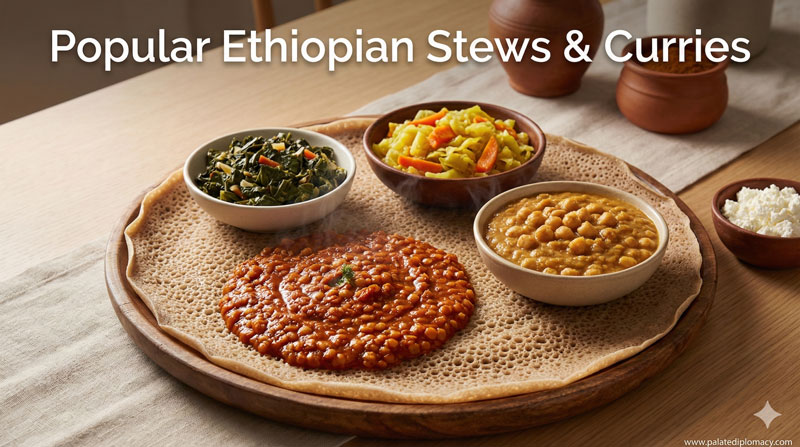
Shiro is typically served over injera, the tangy flatbread that carries its own story. Diners tear pieces of injera and use them to scoop the Shiro, making every bite communal. The pairing creates a tactile dining experience: the soft bread, the smooth sauce, and the subtle spice mingle together. The look on the table is warm, inviting, and colorful. This ritual of sharing reinforces care, conversation, and connection in daily life.
A Living Tradition
Shiro Wat endures because it sits at the heart of comfort, flavor, and tradition. It is versatile, easy to prepare in many kitchens, and fills a home with a gentle aroma. It highlights the importance of legumes in Ethiopian cuisine and demonstrates how a handful of ingredients can become a cherished staple. The story behind Shiro Wat continues in kitchens, markets, and gatherings where friends come together to savor a simple, soulful dish.